
Livraison le jour même ou le lendemain

Qualité garantie

Débloquez vos offres de bienvenue: Livraison GRATUITE | Jusqu'à -80 % | 30 jours d'essai gratuits à JoyPlus
Téléchargez l'application
Switching to glass food storage containers is a savvy move for a healthier, more organized kitchen. In theory, the choice seems simple. In practice, the market is flooded with models whose tempting promises quickly turn into a nightmare: a leaky lid, a dish that cracks on its first trip to the microwave... These setbacks don't have to be your reality. As product experts at Joybuy, our mission is to decode the technical specs for you and give you the keys to a successful purchase, going far beyond marketing slogans.
Before you choose, learn to recognize the common issues that turn a great deal into a regrettable purchase.
To sort through the options and invest in a product that will last, focus on these three key points.
This is where quality and safety truly make a difference. Borosilicate glass is the only type that can truly withstand thermal shock (typically from -20°C to 400°C for the base). It allows you to move a dish from the freezer to the oven (after a short adjustment period) or microwave without a second thought. This is a non-negotiable feature for batch cooking fans and anyone who wants to reheat meals without switching containers. It's the key to a truly versatile plastic-free food storage solution.
A good lid is the second masterpiece. The most reliable systems depend on a winning combination:
Finally, think about your habits. Do you need mini-containers for salad dressing, a glass meal prep container for the office, or large jars for dry goods as part of your kitchen organization? Check the dimensions and shape (square, rectangular, round) to optimize storage in your cupboards and fridge. Compatibility (dishwasher, freezer, microwave, oven) should be clearly indicated for BOTH the base and the lid.
To help you see more clearly, here are a few models that tick all the right boxes, each meeting a specific need.

Why we chose it: Perfect for prepping a week's worth of lunches. Its 630ml capacity is ideal for a single serving. Its strength? You can cook, store, transport, and reheat all in the same dish.
Made from borosilicate glass, it withstands thermal shock without flinching. Its four-clip lid ensures a foolproof seal, with no risk of leaks in your bag.
Maximum versatility: it's freezer, microwave, oven (without lid), and dishwasher safe for effortless cleanup.
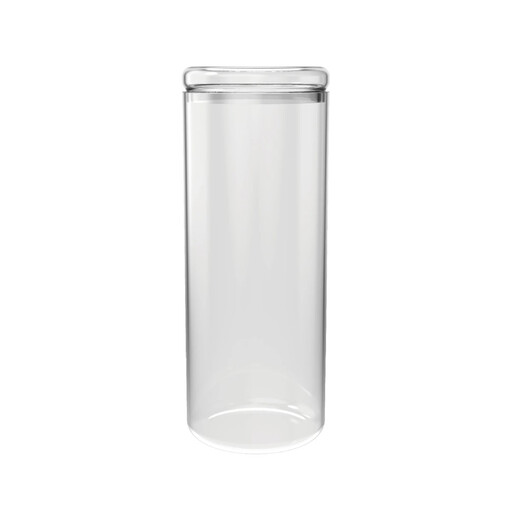
Why we chose it: Excellent for bulk storage of pasta, rice, legumes, or cereal. Its large capacity and transparency let you see the contents at a glance, a plus for **kitchen organization** and inventory management.
Its airtight lid is a true barrier against moisture and air, unlike poorly sealed containers. The non-porous borosilicate glass won't retain stains or odors.
Its minimalist design and generous 1200ml capacity make it a solution that's as practical as it is beautiful for a perfectly organized pantry.
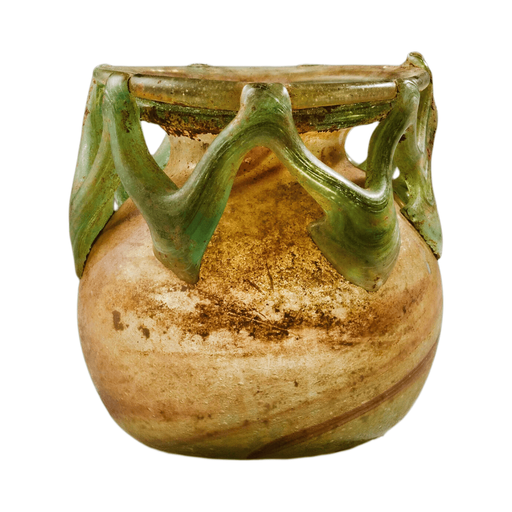
Why we chose it: Because practical can also be beautiful. This jar is meant to be displayed: on a countertop or a shelf, it will stylishly hold coffee beans, cookies, or dried fruit.
It doesn't sacrifice function for form. Its acacia wood lid includes a silicone gasket for a perfectly airtight seal for dry foods.
Its hammered glass body and design inspired by Roman amphorae make it a true decorative object that doubles as a highly effective food container.
Discover our full selection of products that meet our strictest quality and safety standards.
Absolutely not! That's the surest way to crack it. Even borosilicate glass, which is ultra-durable, has its limits when faced with such a violent thermal shock. The best practice: let the dish return to room temperature for a few minutes, or put it in the refrigerator first. And of course, always remove the lid before putting it in the oven.
This is the weak spot on all lids: the silicone gasket loves to absorb the smells of curry or tomato sauce. For a perfect clean, remove it after each use and wash it with hot, soapy water. For stubborn odors, let it soak for an hour in a mixture of water and white vinegar (or baking soda) before rinsing.
It's the best alternative for plastic-free food storage, as the food only comes into contact with glass—a perfectly neutral and healthy material. However, most airtight lids are still made of plastic (usually BPA-free) with a silicone gasket. Lids made of bamboo or glass do exist, but they are often less leak-proof and therefore not ideal for transporting liquids. The final choice depends on your priority: a perfect seal for transport or a guaranteed 100% plastic-free solution for home use.