
Livraison le jour même ou le lendemain

Qualité garantie

Débloquez vos offres de bienvenue: Livraison GRATUITE | Jusqu'à -80 % | 30 jours d'essai gratuits à JoyPlus
Téléchargez l'application
Switching from plastic to glass for food storage is a smart move—it's both healthier and more sustainable. But the market is flooded with models making tempting promises, and it's easy to end up with a product that falls short. A container that leaks in your bag, a dish that cracks at the first thermal shock, a lid that warps after a few washes... disappointments are common. Before you make a decision, let's review the common pitfalls that separate a sound investment from a purchase you'll regret.
People often switch to a glass food container for health and sustainability reasons. However, certain technical features, often overlooked by manufacturers, are absolutely crucial for daily use.
The "Airtight Lid" Myth: The term "airtight" is often misused. It describes a seal that blocks air, which is ideal for preserving the freshness of dry foods. But be careful, this in no way guarantees it's leakproof. For a glass lunch box you plan to carry around, a locking clip system combined with a silicone gasket is non-negotiable to prevent sauce or dressing from leaking. A simple press-on lid, even if it seems snug, will never cut it.
Confusion Over Glass Types: Contrary to popular belief, not all glass containers can go from the refrigerator to the microwave or oven. Standard soda-lime glass, the most common and cheapest type, handles thermal shock very poorly and is at risk of shattering. For versatile use (baking, reheating), it is therefore imperative to opt for an oven-safe glass container made of borosilicate glass. This material is the only one specifically designed to withstand sharp temperature changes.
To ensure you choose a glass storage container that will meet your expectations, focus on these two pillars.
This is THE criterion that outweighs all others.
glass meal prep and baking. Its low thermal expansion allows it to handle extreme temperatures, from the freezer (-20°C) to the oven (usually up to 300°C, without the lid). If you plan to cook, freeze, and reheat in the same dish, it's an absolute must.The lid is just as important as the container itself. A good glass dish with a lid must offer a seal that is both reliable and hygienic.
airtight glass jar with a bamboo, wood, or screw-on lid (as long as it has a gasket) is more than sufficient. It protects from moisture and pests while adding a decorative touch to your kitchen organisation.Rather than an endless list, we've selected models that cater to specific uses. This should help you find the perfect fit for your daily routine.
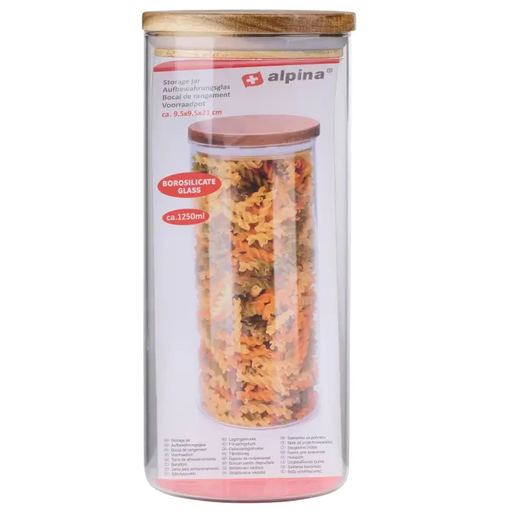
Why this model? Perfect for those who want to combine style and function when organising their pantry. This jar is specifically designed for storing dry goods (pasta, rice, coffee…), blending the practicality of transparent glass with the natural aesthetic of its wooden lid.
This product knows its purpose: dry storage, period. It isn't marketed as oven or microwave safe, which prevents any unpleasant surprises regarding its thermal resistance.
Its acacia wood lid, fitted with a gasket, provides an effective airtight seal for dry foods. Its square shape is a real plus for optimising space and allowing them to be stacked.

Why this model? The ideal companion for those who prepare their weekly meals in advance. Its size is perfect for a single portion, and its design is all about versatility: freezing, microwave reheating, and risk-free transport.
This model checks all the boxes: it's made of heat-resistant borosilicate glass, and its locking lid guarantees a completely leakproof seal. You can transport your saucy dishes with total peace of mind.
Its versatility (freezer, microwave, and dishwasher safe) and its locking clips make it the ultimate all-in-one solution for *meal prep*.
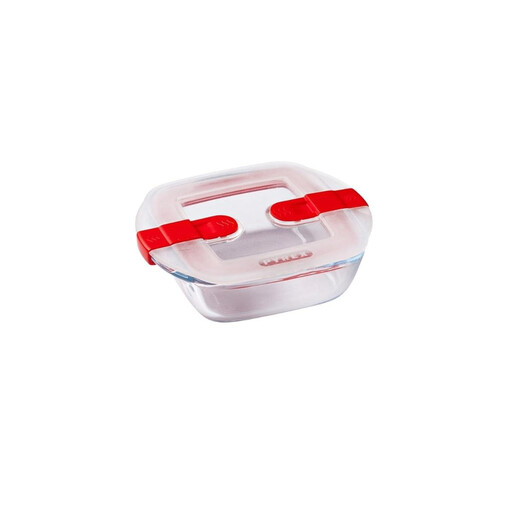
Why this model? The dream tool for those who want a single dish to bake a portion in the oven, store it in the fridge, and then reheat it in the microwave. It's the Swiss Army knife of the kitchen.
Its design is particularly clever: the dish is made of borosilicate glass to be oven-safe, while the lid (which is not) has vents to release steam in the microwave. It's foolproof.
The dual-valve lid is a real bonus, ensuring safe and even reheating in the microwave. And of course, the PYREX name itself is a guarantee of quality and heat resistance.
We've curated a complete, up-to-date selection of products that meet our strict selection criteria and current safety standards.
No, and this is a crucial point. Only containers made of borosilicate glass (sometimes called heat-resistant tempered glass) are designed to withstand high oven temperatures. Always check the manufacturer's instructions. Golden rule: the plastic lid NEVER goes in the oven.
To prevent odours and mould from building up, it's best to gently remove the silicone gasket after each use (if the lid allows). Washing it by hand with hot, soapy water, rinsing it well, and letting it air-dry completely before putting it back is enough to keep it like new.
Yes, glass has undeniable health benefits. It's an inert, non-porous material: it doesn't absorb odours or food colours (no more tomato sauce stains!). Most importantly, it doesn't leach any chemicals into your food, even when heated. This makes it the preferred alternative for anyone looking to avoid BPA and other potentially harmful compounds found in some plastics.