
Livraison le jour même ou le lendemain

Qualité garantie

Débloquez vos offres de bienvenue: Livraison GRATUITE | Jusqu'à -80 % | 30 jours d'essai gratuits à JoyPlus
Téléchargez l'application
Eating healthier and reducing your environmental impact often starts with simple changes in the kitchen. One of the first steps? Saying goodbye to plastic containers in favour of more sustainable alternatives. The glass food storage container has quickly emerged as the ideal solution for preserving food freshness, organising your pantry, and embracing meal prep.
But with an overwhelming number of options available, it can be hard to know where to start. This guide is here to shed light on the essential criteria and present our selection of the best models, helping you make the perfect choice for your daily routine.
To find the perfect model, a few technical features need to be carefully examined. Here are three key points to guide you.
The type of glass is the first criterion to consider. Borosilicate glass, for example, is prized for its incredible resistance to thermal shock. Unlike standard soda-lime glass, it can effortlessly go from the freezer to the oven (without its lid) or microwave without the risk of cracking. A glass oven dish that doubles as a storage container is a real asset for optimising space and reducing washing up. It's the perfect companion for meal prep enthusiasts, who can cook, store, and reheat in a single container.
An airtight glass jar is simply essential for preserving flavours and nutrients while protecting your food from moisture and air. The seal's effectiveness depends entirely on the lid's locking system. Models with clips and a removable silicone gasket guarantee a leak-proof seal, which is perfect for taking your glass lunch box to the office without worrying about spills. For dry goods (pasta, rice, legumes, etc.), a lid with a simple gasket will do the job just fine.
Far more than just containers, these boxes are true allies for kitchen organisation. Rectangular, stackable models are perfect for optimising every square inch of your fridge or cupboards. More stylish jars, on the other hand, can be proudly displayed on shelves to store bulk goods. It's a beautiful way to combine a zero-waste lifestyle with a decorative touch. In any case, the transparency of the glass remains an undeniable advantage for identifying contents at a glance.
To put theory into practice, here are a few models that caught our attention for their quality and versatility.
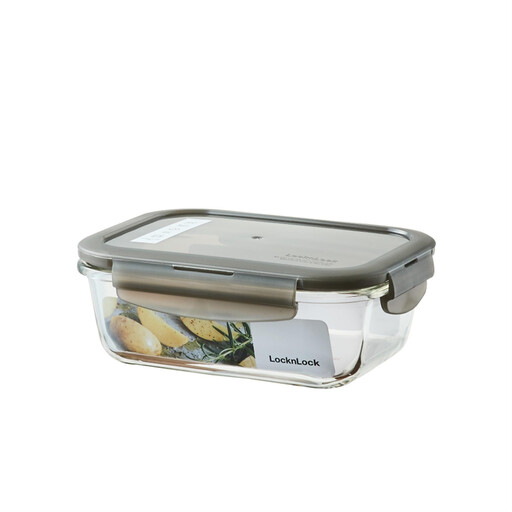
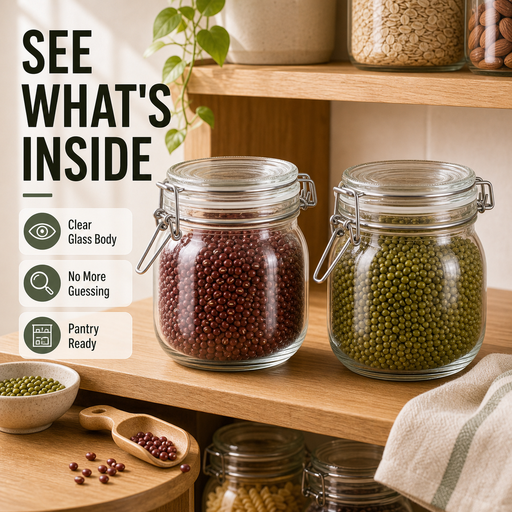
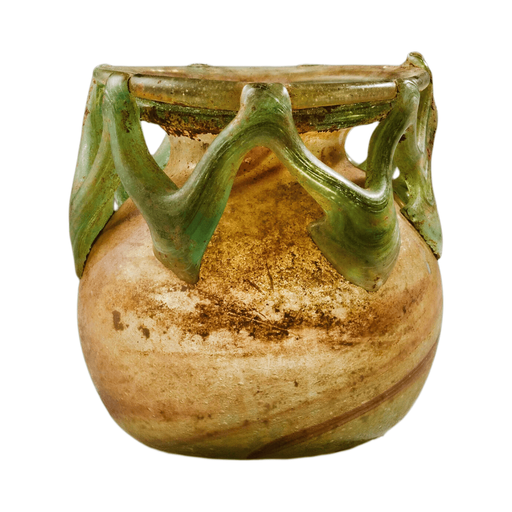
Our selection is, of course, just a glimpse of the possibilities offered by glass storage containers. Because every kitchen is unique, there is a multitude of other shapes and designs to meet every need.
To discover an even wider range of containers, like this airtight glass biscuit jar, feel free to explore our full category.
Soda-lime glass is the most common type of glass, used for our bottles and drinking glasses. It's cheaper but has very poor thermal shock resistance. Borosilicate glass, on the other hand, contains boron trioxide, which gives it far superior resistance to temperature changes. This is why it is the preferred material for ovenware and containers intended to go from cold to hot.
As a general rule, no. Most lids, whether plastic (polypropylene) or wood, are not designed to withstand high oven temperatures. For the microwave, it is essential to follow the manufacturer's instructions. Some plastic lids have a vent that allows them to be used, but the safest option is to remove the lid or simply rest it on top of the container without clipping it shut.
Glass has the advantage of being a non-porous material, meaning it doesn't retain odours or stains. A simple run through the dishwasher or hand washing with hot, soapy water is sufficient in most cases. For a deep clean, especially after storing a saucy dish, remember to remove the silicone gasket from the lid to wash it separately. Make sure all components are completely dry before reassembling and storing your container.