
Livraison le jour même ou le lendemain

Qualité garantie

Débloquez vos offres de bienvenue: Livraison GRATUITE | Jusqu'à -80 % | 30 jours d'essai gratuits à JoyPlus
Téléchargez l'application
An airtight glass food storage container is useful for keeping leftover gratin, preparing a packed lunch or organising several meals in advance. But behind the promises shown on product pages, there are certain details worth checking before placing your order.
A lid fitted with clips inspires confidence, but leak-proof performance also depends on the silicone seal, how well it fits and how it is maintained. If the seal cannot be removed or the lid is misshapen, the container may allow liquids to leak or retain odours.
When carrying soup, sauce or an already dressed salad, look for an explicit description such as leak-proof container or “airtight”. As a precaution, keep the container upright in your bag.
Borosilicate glass generally withstands thermal variations better than standard glass. However, this does not mean you can move a frozen container straight into a very hot oven or place it on a heat source.
The manufacturer’s instructions should always be your reference point. The lid will generally need to be removed before reheating, and some models are not suitable for grilling or fan-assisted ovens.
A 380 ml container is suitable for sauce, a side dish or a small portion. For a complete meal, sizes from 630 to 910 ml offer more flexibility. The 2 l models are better suited to family-sized preparations, chopped vegetables or several portions.
A large container that is half empty takes up unnecessary space and is more likely to knock against other items in the fridge. Conversely, a small container filled to the brim may prevent the lid from closing properly.
A borosilicate glass container is designed to better withstand temperature changes. However, you should still follow the limits stated on the product page. Good thermal resistance does not automatically mean that the container can be used in the oven, on a hob or directly over a flame.
Glass also has everyday advantages: it generally retains fewer odours than some plastics and lets you check the contents without opening the container. However, it can still break. Inspect the container regularly for any cracks, chips or deep scratches.
When choosing a food storage container with a lid, check the following:
An airtight microwave container should generally be used without its lid, unless stated otherwise. If you freeze a liquid, leave enough room for it to expand.
Rectangular containers are often easier to fit into a fridge or lunch bag. A square container may be more practical for fruit, vegetables and preparations that take up more width.
To build a versatile collection, sizes from 380 ml to 2 l let you choose the right container for every need: snacks, individual lunches, leftovers or family meals. However, a dishwasher-safe food container should be placed in the dishwasher according to the manufacturer’s recommendations, separating the lid and seal where necessary.
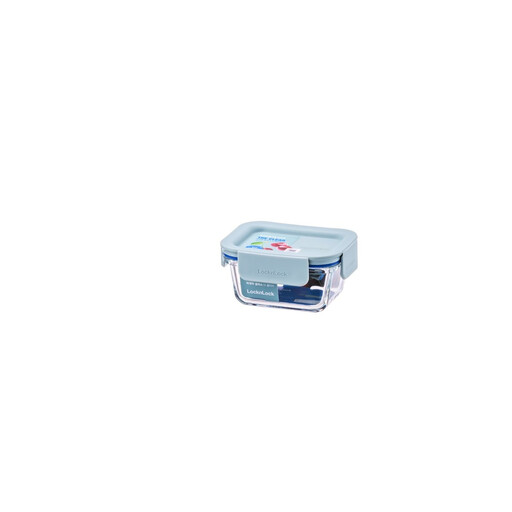
Why this choice suits this profile : Its compact capacity is ideal for sauce, a side dish, a light portion or anyone looking to start using glass containers every day.
Its compact size helps you avoid choosing an oversized container, while the side closures make it easier to check that the lid is secure.
Borosilicate glass, 380 ml capacity and airtight closure stated on the product page.

Why this choice suits this profile : With its 2 l capacity, this model is designed for families and people who prepare several portions at once.
The removable silicone seal makes cleaning easier and lets you check its condition, rather than allowing odours to become trapped in it.
The product page states that it is suitable for the dishwasher, microwave and freezer, with resistance to thermal shock advertised up to 200 °C. Remove the lid before using it in the microwave.

Why this choice suits this profile : This mid-sized format is ideal for office lunches, meals prepared in advance and individual portions of leftovers.
The stated compatibilities are clearly distinguished: microwave, freezer and dishwasher. That means you do not have to rely on the appearance of the glass alone.
630 ml capacity, borosilicate glass, airtight closure and BPA-free features stated on the product page.
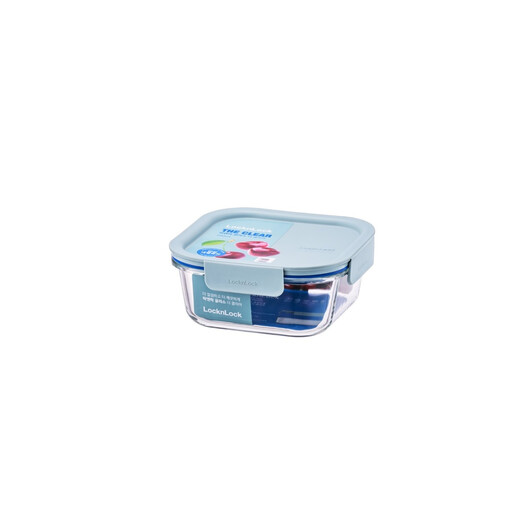
Why this choice suits this profile : Its square shape and 750 ml capacity are ideal for fruit, vegetables, salads and everyday portions.
The transparent body lets you identify the contents at a glance, while the clip closure helps prevent accidental opening in the fridge or cupboard.
Borosilicate glass, airtight closure, 750 ml capacity and BPA-free features stated on the product page.
We have put together a comprehensive, real-time updated selection of products that meet these exacting selection criteria and European safety regulations.
To help preserve your glass food container and its lid:
A meal storage container can therefore move from the fridge to the freezer and accompany you when you are out and about, provided you follow the limitations specific to each model. For preparing individual recipes, also explore our selection of jar salads.
In most cases, no. For the models featured here, the lid must be removed before reheating the contents. Always check the product page and never use a container with even the slightest defect.
Not necessarily. Freezer compatibility does not automatically mean that the container can be used in a conventional oven. Check the manufacturer’s instructions and avoid thermal shock, particularly moving the container directly from the freezer to a heat source.
Between 630 and 910 ml, the capacity is generally suitable for an individual portion made up of a starchy food, vegetables and a source of protein. A 380 ml capacity is better suited to a side dish or small portion, while 2 l is suitable for storing several portions.