
Livraison le jour même ou le lendemain

Qualité garantie

Débloquez vos offres de bienvenue: Livraison GRATUITE | Jusqu'à -80 % | 30 jours d'essai gratuits à JoyPlus
Téléchargez l'application
Switching from plastic to glass for food storage is a smart move, both for your health and the planet. The problem? The market is flooded with options making tempting promises, but disappointment is often just around the corner. A glass food storage container that cracks at the first temperature shock, a lid that warps in the dishwasher... these scenarios are unfortunately common. To avoid throwing your money down the drain, it's essential to see through the marketing hype and focus on the criteria that truly make a difference.
Here are the key points to check to ensure you make the right choice.
The desire for a perfectly organised kitchen can sometimes lead to an impulse buy. Watch out for these three classic traps that can turn a good idea into a real headache.
To make the right choice, forget the marketing and focus on these three technical points. The lifespan, safety, and practicality of your future glass food storage container depend on them.
This is THE non-negotiable criterion. Insist on borosilicate glass. Unlike ordinary soda-lime glass, its resistance to thermal shock is unparalleled.
The seal is paramount. A good lid is your guarantee of preserving freshness, preventing sauce from leaking in your bag, and stopping your food from taking on a plastic taste.
To optimise space in your cupboards and fridge, the shape of your containers is a decisive factor.
Because every kitchen is unique, here are a few models that meet specific needs, all validated against our strict criteria.
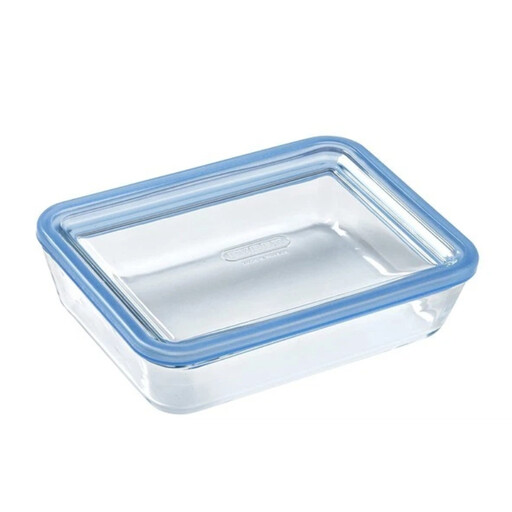
The Ideal User: Perfect for preparing, cooking, storing, and reheating individual portions. Its versatility allows you to go from kitchen to table to fridge without changing dishes. A considerable time (and washing-up) saver.
This dish is made of borosilicate glass, which eliminates the risk of cracking from thermal shock. This avoids the #1 pitfall of low-quality glass containers.
Its total versatility: freezer, refrigerator, oven, microwave, and dishwasher safe. The brand's reputation is in itself a guarantee of longevity.
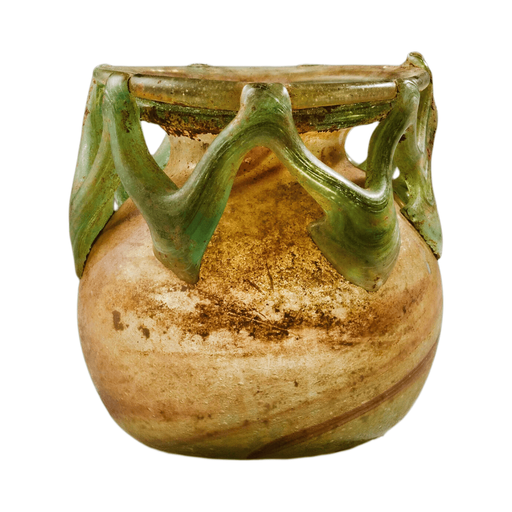
The Ideal User: For those who want to combine the practical with the beautiful. This glass jar is a true decorative piece to display on a worktop or shelf for stylishly storing pasta, cereals, or legumes.
It avoids the classic "looks good, but isn't practical" trap. Its acacia wood lid includes a food-grade silicone seal, which guarantees a perfectly airtight closure to protect dry foods from moisture.
Its unique design, featuring textured hammered-effect glass and a natural wood lid. The borosilicate glass body ensures excellent durability and never alters the taste of the food.
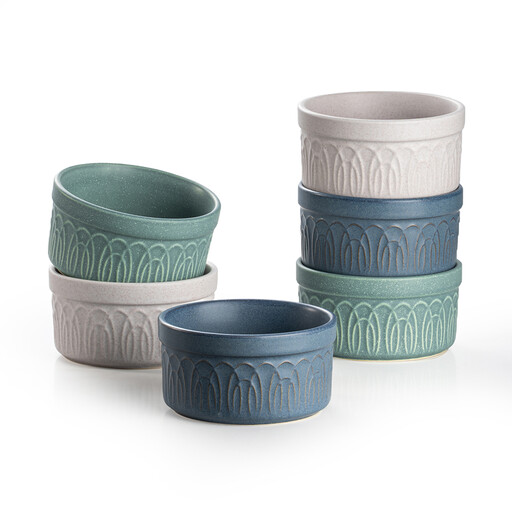
The Ideal User: Perfect for preparing individual desserts (crème br?lée, chocolate lava cakes, soufflés), but also for serving sauces or appetisers. The ceramic ramekin format is an ultra-versatile classic.
Unlike unsuitable glass, this high-resistance ceramic is specifically designed to withstand high oven temperatures, eliminating any risk of it breaking mid-bake.
The set of 6 is ideal for entertaining. The non-porous ceramic doesn't absorb odours or stains and ensures perfectly even cooking. Oven, microwave, and dishwasher safe.
We have curated a complete selection of containers and jars that meet our strict criteria and safety standards.
Absolutely not! Even with borosilicate glass, the risk of thermal shock, though reduced, still exists. The golden rule: always let your hot dish cool to room temperature before putting it in the refrigerator or freezer. And vice versa.
The foolproof test: fill the container with water, close the lid tightly, and turn it upside down. If not a single drop escapes, the seal is effective. For transporting liquids, 4-clip lids are generally much more reliable than simple press-on models.
If you plan to use your containers for baking in the oven, reheating in the microwave, or freezing, the answer is an unequivocal yes. For limited use like dry storage (such as a spice jar) or just refrigerating, a well-made soda-lime glass container might suffice, but its versatility will be next to none.