
Livraison le jour même ou le lendemain

Qualité garantie

Débloquez vos offres de bienvenue: Livraison GRATUITE | Jusqu'à -80 % | 30 jours d'essai gratuits à JoyPlus
Téléchargez l'application
Switching from plastic to glass for food storage is the gold standard for health and sustainability. But be warned: the market is flooded with products whose enticing promises don't hold up in practice. The wrong choice guarantees disappointment, from leaky lids and dishes that crack at the first thermal shock to materials that aren't as inert as advertised.
As our editorial team's product expert, I'm here to separate fact from fiction. Let's break down the pitfalls to avoid and the criteria that truly matter for a smart purchase, far from the marketing hype.
Before you buy, watch out for these three deal-breakers—often well-hidden—that can render a container useless in just a few months.
To ensure you won't regret your purchase, there are two technical points you absolutely must check.
The composition of the glass makes all the difference. To safely juggle between the freezer, microwave, and oven, only borosilicate glass offers the necessary guarantees.
A good lid is just as crucial as the container itself. Opt for a system with a proven track record.
Here are three models that check all the boxes, designed for different uses.

Why we chose it: Ideal for a single serving, its 630 ml size is perfect for lunch. Its rectangular shape slides easily into a bag, making it an excellent everyday glass lunch box.
Its borosilicate glass body goes from the fridge to the microwave without worry. Its clip-on lid ensures a leak-proof seal that prevents sauce or dressing from spilling.
Absolute versatility: freezer, oven (without lid), microwave, and dishwasher safe. A single container to prep, store, transport, and reheat.
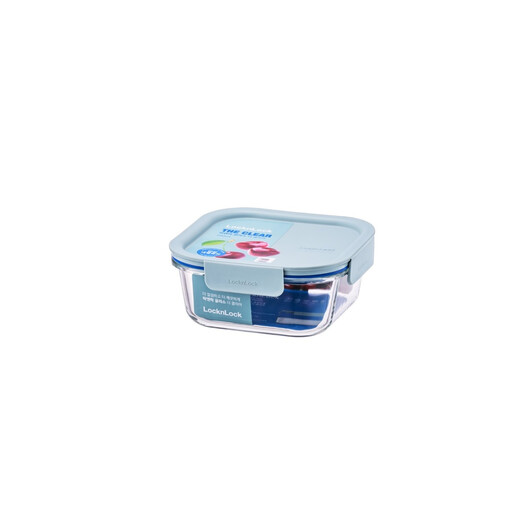
Why we chose it: With its generous 750 ml capacity, this glass dish with a lid is perfect for storing leftovers from a family meal, a large mixed salad, or prepped vegetables. Its square shape optimises space in the refrigerator.
The borosilicate glass withstands heavy use and repeated trips through the dishwasher. Its lid, inspired by the LocknLock system, remains reliable and leak-proof wash after wash, preventing unpleasant surprises in a full fridge.
Its generous capacity and stackable design optimise storage. Perfect for *batch cooking*.
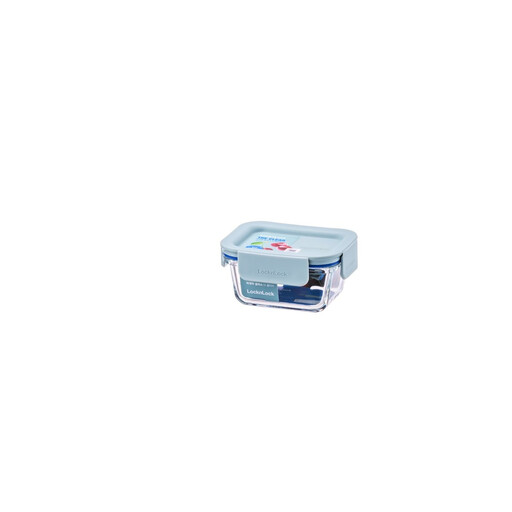
Why we chose it: This small 380 ml container is perfect for a sauce, cut fruit, a handful of nuts, or baby food. Compact, it fits anywhere and saves you from using a large dish for a small amount.
Its small size doesn't sacrifice quality. It features the same heat-resistant borosilicate glass and the same 100% leak-proof clip-on lid as the larger models.
Compact and lightweight, it's perfect for portion control and for transporting a side dish or snack without any leaks.
Explore our full selection of products that meet our quality criteria and current safety standards.
Yes, provided it is made of borosilicate glass. This type of glass is designed to withstand significant thermal shock. However, it's best to avoid extreme temperature changes. For example, let the dish rest for a few minutes at room temperature before putting it in the oven. And of course, always remove the plastic lid before placing a dish in the oven!
To ensure a long-lasting seal, it's best to remove the silicone gasket before putting the lid in the dishwasher. Wash it by hand with soapy water and let it air-dry completely before putting it back. This will prevent moisture buildup and gasket deformation, extending its lifespan.
Yes, glass is a denser material and therefore heavier than plastic. It's a small trade-off for its immense benefits in terms of health, durability, and neutrality. For a glass lunch box that you carry daily, simply choose a size appropriate for your meal to avoid unnecessary weight. This weight is also often a sign of sturdiness and quality.