
Livraison le jour même ou le lendemain

Qualité garantie

Débloquez vos offres de bienvenue: Livraison GRATUITE | Jusqu'à -80 % | 30 jours d'essai gratuits à JoyPlus
Téléchargez l'application
Switching from plastic to glass for food storage is a great move towards a healthier, more sustainable lifestyle. But with a market flooded with tempting promises, disappointment is common. A lid that leaks in your bag, a container that cracks from thermal shock... these everyday hassles are surprisingly easy to avoid.
As a product expert at Joybuy, my mission is to guide you. Together, we'll break down the common pitfalls and focus on the criteria that truly matter, helping you choose THE perfect glass food storage container for your needs—cutting through the marketing noise.
Before you fill your cart, watch out for these three often-hidden flaws that can quickly turn a great deal into a frustrating purchase.
To ensure your investment is a lasting one, there are three technical points to examine closely. They are the true hallmark of a reliable and versatile everyday product.
The container's material is the number one criterion. There are two main types of glass:
A good seal is all about the perfect synergy between a lid and its gasket.
A great glass container should, above all, make your life easier. Always check its compatibility with:
To illustrate these criteria, here is our selection for different uses.

Why we chose it: Ideal for fans of *batch cooking* and packed lunches. Its borosilicate glass design lets you go from the fridge to the microwave without worry. The rectangular shape is a bonus for easy transport.
The borosilicate glass withstands thermal shock, and the 4-clip system ensures a truly reliable seal, even with saucy dishes.
Maximum versatility: freezer, microwave, dishwasher... it does it all for a hassle-free daily routine.
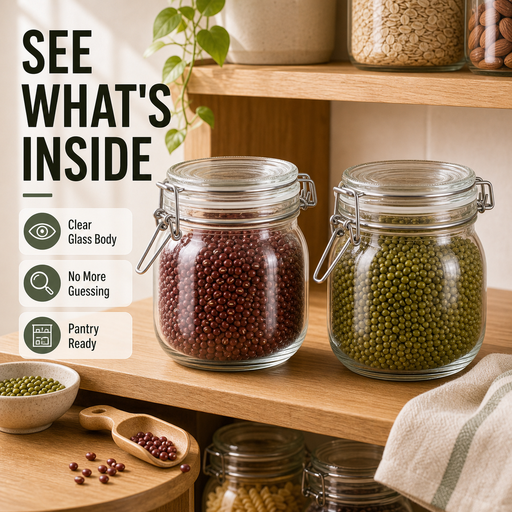
Why we chose it: Perfect for tidying up the pantry and storing pasta, rice, legumes, or biscuits. Its mechanical closure is as stylish as it is practical for keeping dry foods safe from moisture.
The silicone gasket is removable, allowing for a thorough clean and avoiding the hard-to-maintain lid trap. The stainless steel clips ensure a strong, durable closure.
The transparent borosilicate glass body lets you identify contents at a glance and doesn't absorb odours or stains.
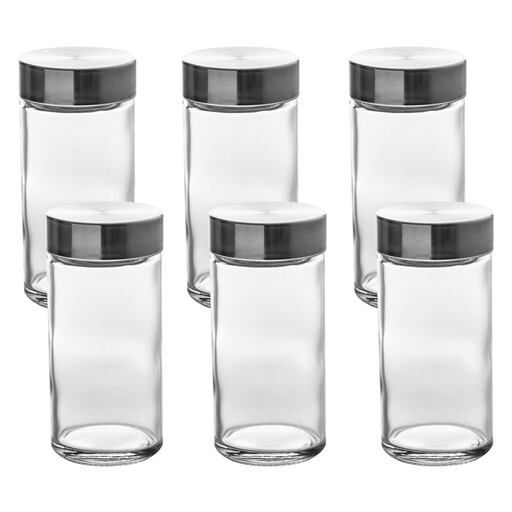
Why we chose it: For those who love a tidy setup, this set is a simple and effective solution for organising your spice collection and keeping herbs and seasonings within easy reach.
Its simple cylindrical design, free of complex mechanisms, ensures great durability and easy cleaning. No fragile parts that are likely to break.
A compact, uniform format that optimises space on a shelf or in a drawer. The transparent glass allows for immediate content identification.
Our full selection features products that tick all the boxes for our quality criteria and meet current safety standards.
Yes, but only if it is made of borosilicate glass. This type of glass is specifically designed to withstand thermal shock. Standard (soda-lime) glass is likely to shatter. Always check the product's specifications before attempting this. It is also recommended to remove the lid before microwaving.
If your lid's silicone gasket has absorbed food odours (like garlic, curry, etc.), remove it carefully. Let it soak for an hour in a mixture of hot water and white vinegar or baking soda. Rinse it thoroughly and let it air-dry completely before putting it back in place.
Wood or bamboo lids are very aesthetically pleasing and perfect for storing dry goods on a countertop or shelf. They create a warm, inviting look. However, they require more maintenance (hand-wash only, dry immediately) and are generally not as airtight as clip-on systems for storing liquids or saucy dishes. It's a choice that prioritises style for a specific use.