
Livraison le jour même ou le lendemain

Qualité garantie

Débloquez vos offres de bienvenue: Livraison GRATUITE | Jusqu'à -80 % | 30 jours d'essai gratuits à JoyPlus
Téléchargez l'application
Switching from plastic to glass for your food storage? That's an excellent move for both your health and the planet. The problem is, shelves are overflowing with options, making it easy to make the wrong choice. As a Product Recommendation Manager at Joybuy, my job is to help you see through the marketing gimmicks and find THE container that's truly right for you.
Before you buy, watch out for these three common traps:
To avoid getting duped again, rely on a few objective technical points. They are the only true guarantee of quality and durability for a glass food storage container.
It's simple: there are two main types of glass:
The effectiveness of an airtight food container depends entirely on its lid. Pay close attention to these two elements:
A good glass meal container should simplify your life. Check its compatibility with your appliances:
Instead of an endless catalogue, we've selected a few models that stand out for their smart design and ability to avoid the pitfalls mentioned earlier.

Why we love it: This is the model designed for batch cooking fans. Its rectangular shape optimises space in the fridge and lunch bag. You can cook, store, transport, and reheat—all in the same container.
Its borosilicate glass body resists thermal shock, eliminating any risk of cracking. The 4-clip locking system and removable silicone gasket ensure a long-lasting seal and perfectly hygienic cleaning.
Maximum versatility: oven-safe (without lid), microwave-safe, freezer-safe, and dishwasher-safe. A true all-in-one kitchen tool.
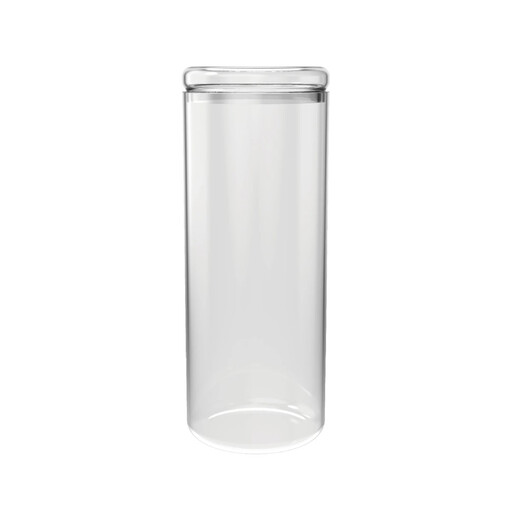
Why we love it: Perfect for bulk-buy enthusiasts who want to organise their dry goods (pasta, rice, lentils, coffee...). Its large capacity and total transparency let you see your stock at a glance, for a kitchen that's as functional as it is beautiful.
This airtight glass jar has a lid that perfectly seals dry foods from moisture and air. The result: their freshness is preserved much longer than in their original packaging. Its non-porous glass doesn't retain odours or stains.
Its minimalist design and large capacity (1200 ml) make it a practical and durable solution for kitchen food storage. The bonus? A touch of elegance on your shelves.
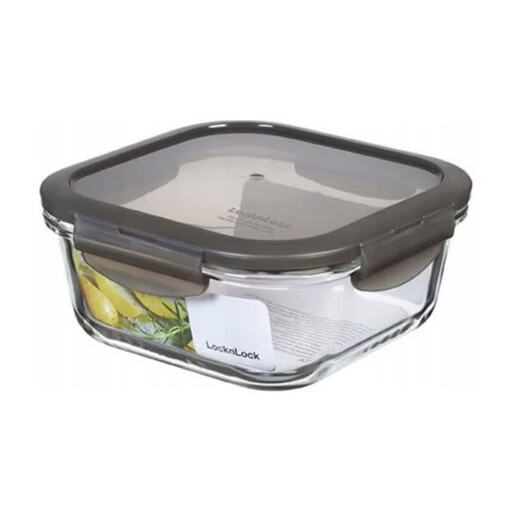
Why we love it: This is the do-it-all glass dish with a lid: bake a gratin for two, store last night's leftovers, pack a salad... Its square shape is a real plus for optimising storage.
No more Tetris in the cupboards! This model stacks with perfect stability. Its borosilicate glass and 4-clip locking system make it a reliable long-term ally, a far cry from cheap, low-quality gadgets.
Its 750 ml capacity is the ideal compromise for a generous single portion or a dish for two. An ultra-versatile format for everyday use.
Discover our full selection of products that meet our quality criteria and current safety standards.
Even with a borosilicate glass dish, this is a very bad idea. Although this type of glass is much more resistant than standard glass, such a violent thermal shock (going from -18?°C to +200?°C) puts it under extreme stress. To protect your dish, let it thaw for a few hours in the refrigerator or at room temperature before putting it in the oven.
To maximise the gasket's lifespan, make it a habit to remove it from the lid before each cleaning. Wash it by hand with warm, soapy water, then let it air-dry completely before putting it back. This is the best way to prevent residue buildup and silicone warping, ensuring a seal that lasts.
Absolutely. Glass is an "inert" material. In practical terms, this means that no chemical substances will ever leach into your food, even when heated. Unlike many plastics, it is guaranteed to be free of BPA, phthalates, and other potentially harmful compounds. Another major advantage: glass doesn't retain odours or stains (not even from tomato sauce!), which makes it much more hygienic to use.