
Livraison le jour même ou le lendemain

Qualité garantie

Débloquez vos offres de bienvenue: Livraison GRATUITE | Jusqu'à -80 % | 30 jours d'essai gratuits à JoyPlus
Téléchargez l'application
Switching to glass for food storage is an excellent choice?: it's a durable, healthy material that resists both odours and stains. Yet, in a market flooded with promises, it's easy to make the wrong purchase. A glass food storage container that cracks at the first thermal shock or a lid that loses its seal after a few washes? These are unfortunately all-too-common disappointments.
As a Product Expert at Joybuy, my role is to help you navigate the options. Let's break down the pitfalls to avoid and the criteria that truly matter, so you can make an informed decision that's perfectly suited to your daily kitchen routine.
Before you choose, it's crucial to recognise the false promises and design flaws that can turn a good idea into a real headache.
To avoid these nasty surprises, simply focus on a few objective technical specifications. These are the true guarantors of the quality and durability of your future glass meal prep container.
The material of the container's body is the number-one criterion.
A good lid is just as important as the container itself.
Always check the manufacturer's pictograms and instructions. A quality product will clearly indicate its compatibilities: oven, microwave, freezer, dishwasher. Pay close attention to restrictive notes, such as "do not put the lid in the oven." This transparency is a sign of reliability.
Rather than an endless list, here are models that excel at specific uses, all selected according to the quality criteria we've just detailed.

Why we chose it : Its generous 2-litre capacity is ideal for family-sized dishes or for preparing several meals in advance. Its versatility (freezer, oven, microwave) is a major asset : you can cook, store, and serve all in the same dish.
Made from borosilicate glass, it withstands thermal shock. Its 4-clip locking system with a removable silicone gasket ensures a reliable seal and easy cleaning.
Maximum versatility : cook, store, freeze, reheat, and serve in a single dish. The locking system is designed to be leak-proof.
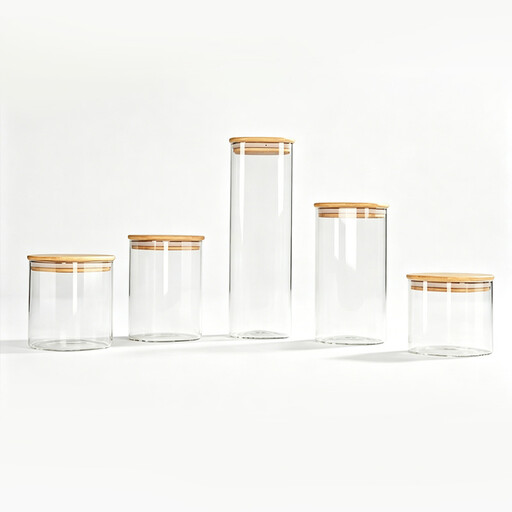
Why we chose it : This set is designed for stylishly organising dry ingredients (pasta, rice, legumes, flour). The different sizes allow you to create a harmonious and functional display on your shelf.
This product is transparent about its purpose : its function is dry storage, not cooking. It's an airtight glass jar with a lid optimised to preserve freshness, not to withstand oven heat.
Aesthetics and organisation. The wood-finish design adds a warm touch to the kitchen, while the multi-size set optimises storage.
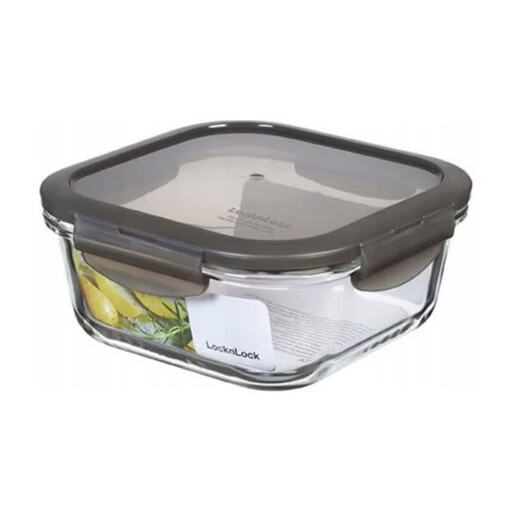
Why we chose it : Its intermediate 750 ml size and square shape make it highly practical for baking a single-serving casserole, storing leftovers, or packing lunch. It optimises space in the fridge and in your bag.
The spec sheet is crystal clear : the dish is made of borosilicate glass (oven-safe up to 400 °C), but the lid is not. This clear information prevents any nasty surprises.
A compact, stackable design, ideal for daily use. Its sturdiness makes it an excellent investment to replace less durable containers.
We have curated a full range of products that meet our quality criteria and safety standards.
1. Can you put a glass container directly from the freezer into the oven?? No, that's the surest way to shatter it, even if it's made of borosilicate glass. Such an extreme thermal shock should always be avoided. The golden rule?: let the dish return to room temperature for a few minutes (or move it to the refrigerator first) before placing it in the oven.
2. How do you properly clean the silicone gasket of an airtight lid?? For an impeccable clean and to prevent odours and mould, remove the gasket from the lid. Wash it by hand with warm, soapy water, then rinse it thoroughly. It is essential to let it air-dry completely before putting it back in place.
3. What's the difference between a food storage container and a glass jar?? The glass food storage container, often rectangular or square, is optimised for cooking, storing leftovers, and meal prep. The airtight glass jar, on the other hand, is typically cylindrical and designed for storing dry ingredients (coffee, sugar, pasta). It's chosen as much for its effectiveness as for its aesthetic appeal on a shelf.