
Same-day & Next-day Delivery

Quality Guaranteed

Unlock Your Welcome Offers: FREE Delivery | Up to 80% OFF | Free 30-day JoyPlus trial
Download the APP
Switching to glass for food storage is an excellent move: it's a healthy, durable material that wonderfully preserves flavours. However, the market is a jungle of promises that are often broken. A supposedly "airtight" lid that leaks in your bag, a dish that cracks straight from the refrigerator... These all-too-common mishaps can turn a good investment into a source of daily frustration.
Before you decide, it's essential to know the 3 most common pitfalls to avoid buyer's remorse.
Identifying these weak points is the first step to choosing a product that will truly stand the test of time.
To avoid disappointment, focus on the technical specifications that truly matter. Here are the two non-negotiable points to scrutinise.
The difference is all in the glass composition.
The lid is just as crucial as the container. Its effectiveness relies on the combination of its design and the materials used.
Rather than an endless list, we've selected three products that match three distinct user profiles, based on the quality and durability criteria we've just discussed.
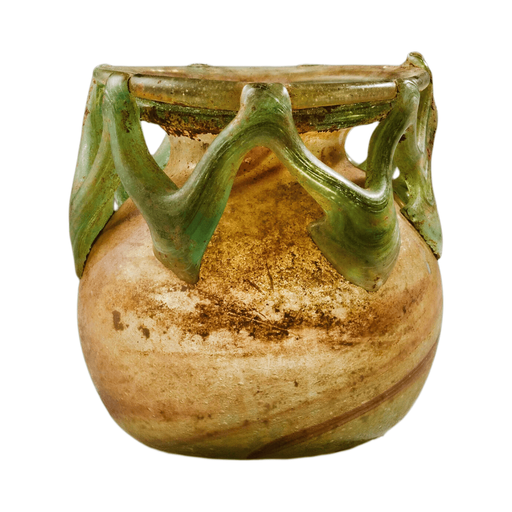
Why we chose it : For those who believe storage should also be a feast for the eyes. This jar isn't meant to be hidden away: it's designed for display, turning the storage of pasta, coffee beans, or dried fruit into a true decorative element.
Its use is clearly targeted for dry foods. The acacia wood lid with a silicone seal provides excellent airtightness but makes no claims of being leakproof. No unpleasant surprises here.
Its hammered glass design, inspired by Roman amphorae, and its natural wood lid bring a unique touch of elegance to your countertop or shelves.

Why we chose it : For meal prep enthusiasts who need reliable, versatile, and perfectly leakproof containers to take their lunch to go or store cooked dishes.
It's a flawless performer: a body made of borosilicate glass (oven-safe up to 400 °C) and a 4-clip lid with a silicone seal for a perfect, leakproof seal, even with soups and sauces.
Its absolute versatility: it goes from the freezer to the oven (without the lid), and then into the dishwasher. The locking system is designed for heavy use and secure transport.
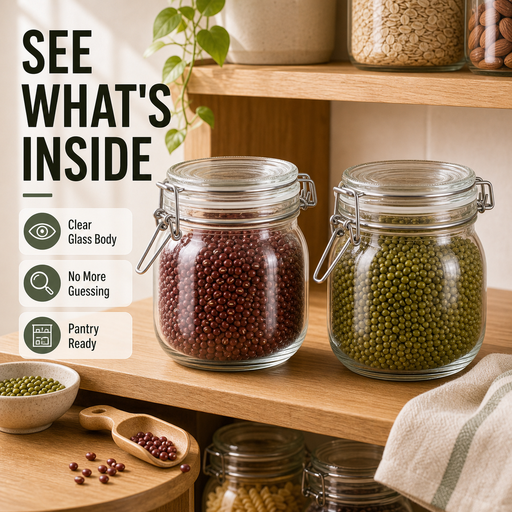
Why we chose it : For those who get straight to the point and are looking for a simple, durable, and effective storage solution for dry foods. Ideal for organising the pantry with cereals, legumes, or spices.
Its mechanical stainless steel lever-lock system is as robust as it is reliable. The removable silicone seal makes cleaning easy and prevents odours from setting in—a classic flaw of fixed seals.
The durability of the locking mechanism. Unlike plastic clips that wear out, the stainless steel system is built to last, ensuring a consistent airtight seal over time.
We have curated a complete range of products that meet our strict selection criteria and current safety standards.
Even an oven-safe glass container made of borosilicate glass has its limits. Extreme thermal shock (going from -20?°C to 200?°C in an instant) can weaken it. For maximum durability, let the dish thaw for a few minutes at room temperature before putting it in the oven. And of course, never put a plastic or wooden lid in the oven!
Wood is a living material that requires a little attention. Always wash it by hand with lightly soapy water, but never let it soak. The secret: dry it immediately and completely with a cloth before storing it. Golden rule: never in the dishwasher.
This is a common problem, especially with saucy dishes. The solution is simple: remove the seal from the lid, wash it, and then let it soak in a mixture of warm water and baking soda (or white vinegar) for an hour. Rinse thoroughly and let it air-dry. Note that high-quality silicone seals are generally less prone to retaining odours.