
Livraison le jour même ou le lendemain

Qualité garantie

Débloquez vos offres de bienvenue: Livraison GRATUITE | Jusqu'à -80 % | 30 jours d'essai gratuits à JoyPlus
Téléchargez l'application
Eating healthier, getting more organised, reducing plastic waste… There's no shortage of goals to strive for. Whether you're preparing meals in advance (meal prep) or simply storing leftovers without waste, choosing the right container is crucial. In this quest, the glass food container stands out as the ideal ally: durable, healthy, and incredibly versatile.
But with all the different models, sizes, and types of glass available, navigating the options can be tricky. As the Head of Product Recommendations at Joybuy, my mission is to do the legwork for you. This guide will break down the essential criteria and present our selection of the best options to equip your kitchen in 2026.
Before diving into our selection, let's review the key criteria that will make a real difference in your daily routine.
Not all glass is created equal, especially in the kitchen. Borosilicate glass is the undisputed champion for a glass oven dish. Its secret weapon? Unparalleled resistance to thermal shock. In simple terms, it can go from the refrigerator to the oven without shattering (provided you let it sit at room temperature for a few minutes). This is a decisive advantage for those who want to do everything with a single dish: cook, store, and reheat.
Proper food storage in glass depends above all on the quality of the lid. For a portable glass lunch box, a clip-on lid with a silicone seal is almost essential. This system guarantees a leak-proof seal and will save you from vinaigrette spills in your bag. For simple storage in the fridge, a basic press-on lid may suffice. Also, remember to check if the lid is microwave-safe (often by just placing it on top) and dishwasher-safe.
For Tetris-worthy storage in your cupboards and fridge, opt for square or rectangular shapes. Consider tailoring the format to your habits:
Let's get down to business: here are the models that caught our attention for their performance and relevance.
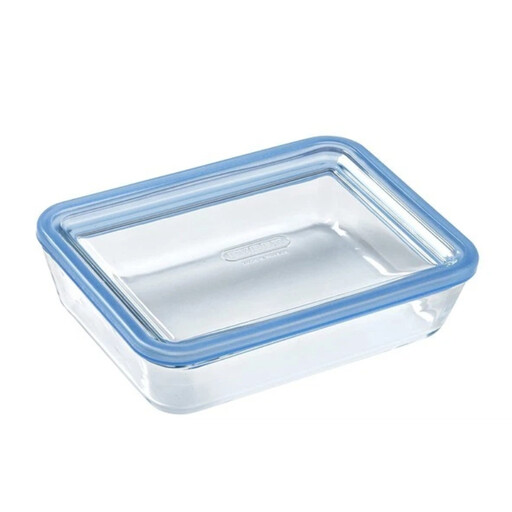
What sets it apart
A simple and effective classic from PYREX. Made from borosilicate glass, it offers all the versatility you'd expect: it can handle oven cooking (without the lid), microwave reheating, and storage in both the refrigerator and freezer. Its 0.8 L format is perfect for individual portions or storing small quantities.
Advantages
Who is it for? The ideal companion for students, single individuals, or anyone who preps their lunches in advance and is looking for a reliable, no-fuss container.
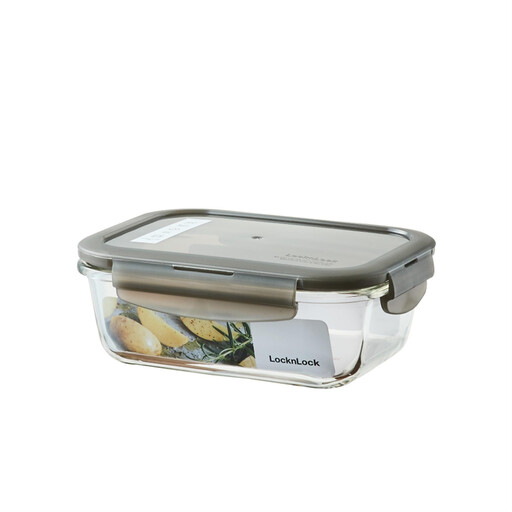
What sets it apart
Here, the focus is on a key feature for those on the go: a leak-proof seal. This airtight glass container features a 4-clip lid and a removable silicone gasket. It's a winning combination for transporting soups and saucy dishes without any worry. Its borosilicate glass body allows you to go directly from the fridge to the microwave to reheat your meal.
Advantages
Who is it for? Essential for anyone who takes their lunch to the office or on the go and wants to take zero risks with leaks.
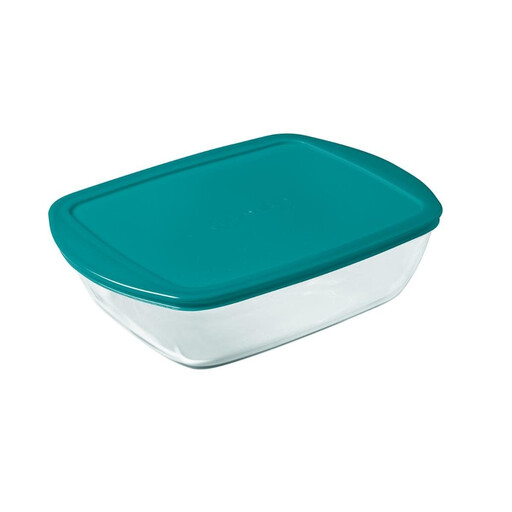
What sets it apart
Moving on to the family-size option with this large glass dish with lid. Its generous dimensions (28x20 cm) make it the ideal dish for casseroles, lasagnas, or roasts, but also an excellent large-format storage container. Once the dish has cooled, simply clip on its lid to store leftovers directly in the fridge. How practical!
Advantages
Who is it for? For families and fans of batch cooking who prepare the week's meals over the weekend. It's the Swiss Army knife of the kitchen, taking you from preparation to storage, and even to serving at the table.
Our selection covers the most common needs, but perhaps you're looking for something else: round containers, smaller formats for sauces, or different types of lids.
To explore a wider range, with other shapes and sizes, we invite you to take a look at our shatterproof glass category.
1. Can you put a hot glass container directly into the refrigerator? Absolutely not! This abrupt change from hot to cold creates thermal shock that could cause the glass to shatter, even if it's borosilicate glass. The golden rule: always let your dish cool down on the countertop before putting it in the fridge.
2. Can the plastic lid go in the oven or microwave? Generally, the answer is no. Plastic lids cannot withstand the intense heat of a conventional oven. In the microwave, it's sometimes possible, but caution is advised: simply place the lid on top of the dish without sealing it, or use a microwave-safe cover. The best practice: always check the manufacturer's instructions.
3. How do you properly maintain glass food containers? The advantage of glass is its ease of maintenance: a quick wash and it's as good as new, without retaining odours. Most models are dishwasher-safe. A little tip to preserve the silicone seals on airtight lids: hand-washing is often preferable to ensure their longevity. And of course, make sure everything is completely dry before storing your containers to avoid any unpleasant surprises (and mould).