
Livraison le jour même ou le lendemain

Qualité garantie

Débloquez vos offres de bienvenue: Livraison GRATUITE | Jusqu'à -80 % | 30 jours d'essai gratuits à JoyPlus
Téléchargez l'application
Choosing glass to store your food is a smart move, for both your health and the planet. The problem? The market is flooded with marketing promises that rarely deliver. A lid that warps, a dish that cracks straight out of the freezer, a supposedly airtight container that leaks all over your bag... Who hasn't cursed these common frustrations? A good investment can quickly turn into a nightmare.
Before you make a decision, let's review the classic pitfalls that can render a glass food container useless.
To avoid these pitfalls, simply focus on a few objective technical features. These are the true guarantors of the quality and durability of your future glass meal prep container.
Not all glass is created equal—far from it. The fundamental distinction is between soda-lime glass (standard) and borosilicate glass.
The effectiveness of a glass dish with a lid depends almost entirely on its seal.
A good storage container should, above all, simplify your life. Check for clear pictograms indicating compatibility with:
Rather than an endless list, here are a few models that meet specific needs, all selected according to the criteria we've just detailed.

Why we chose it: Perfect for preparing family-sized dishes or several meals at once. Its large capacity and robust construction make it a heavy-duty ally for intensive use.
Its borosilicate glass body resists thermal shock (up to 200 °C / 392 °F), which prevents cracking. The LocknLock-branded clip system, with its removable silicone gasket, guarantees a leak-proof seal.
Its large 2-litre capacity is perfect for casseroles or bulk storage. Total versatility (freezer, oven, microwave).
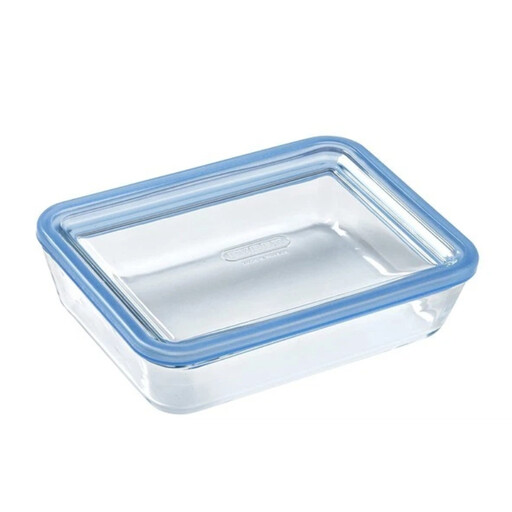
Why we chose it: A compact size, ideal for a single serving and easy to slip into a bag. The Pyrex reputation for quality glass provides peace of mind for daily use.
Made of pure borosilicate glass, it's built for versatility (oven, microwave, freezer). Its non-porous surface prevents odours and stains from setting in, even with tomato-based sauces.
Compact 0.8L size and stackable design for optimized storage in the fridge or cupboards.
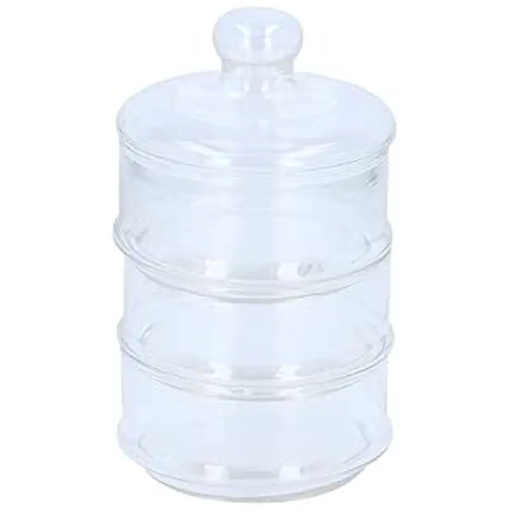
Why we chose it: Ideal for organizing your countertop or pantry with style. This glass jar is specifically designed for storing dry foods: pasta, legumes, biscuits, dried fruit...
This product isn't marketed as an airtight container for liquids or prepared meals. Its function is clear and focused: stylish, vertical storage for dry ingredients. No false promises means no disappointment about its seal.
Its 3-tier stackable design optimizes space. The transparent glass lets you identify the contents at a glance.
We have curated a complete, up-to-date selection of products that meet our strict selection criteria and current safety standards.
Q1: What's the difference between borosilicate glass and tempered glass? Tempered glass is soda-lime glass that has undergone a surface treatment to improve its resistance to mechanical shock. Borosilicate glass, however, is different from its chemical composition, which gives it a natural and far superior resistance to thermal shock (temperature changes). For versatile use from the freezer to the oven, borosilicate is the safer choice.
Q2: Can you put a glass dish directly from the freezer into the oven? No, this is a very bad idea, even with borosilicate glass. Such an extreme temperature change (e.g., going from -18°C to 180°C / 0°F to 350°F) creates thermal shock that can shatter the glass. The correct practice: let the dish thaw at room temperature before placing it in a cold (not preheated) oven, or let it thaw slowly in the refrigerator.
Q3: How do you properly maintain the silicone gasket on your meal prep container? To ensure its longevity and impeccable hygiene, make it a habit to remove the gasket from the lid after each use. Wash it by hand with warm, soapy water or place it in the top rack of the dishwasher. Most importantly, make sure the gasket and its groove in the lid are completely dry before putting it back. This is the secret to preventing mould growth.