
Livraison le jour même ou le lendemain

Qualité garantie

Débloquez vos offres de bienvenue: Livraison GRATUITE | Jusqu'à -80 % | 30 jours d'essai gratuits à JoyPlus
Téléchargez l'application
Switching to glass containers is a smart move for anyone wanting to store food in a healthy and sustainable way. The problem? The market is flooded with products making tempting promises that, in practice, simply fall short. A supposedly airtight lid that leaks in your bag, a dish that cracks straight out of the oven... These all-too-common disappointments are enough to put anyone off.
As the Head of Product Recommendations at Joybuy, I'm here to separate fact from fiction for you. Follow this guide to identify the key things to watch out for, make an informed choice, and finally find the glass food container that meets your needs—without being fooled by marketing hype.
Before you even start comparing models, let's review the common pitfalls that can turn a good deal into a real disappointment.
To avoid these pitfalls, focus on three non-negotiable technical features.
The composition of the glass makes all the difference. For maximum versatility and safety, borosilicate glass is a must-have.
A good glass dish with a lid must guarantee a flawless seal. Examine the mechanism closely:
The shape of your containers has a direct impact on their everyday practicality.
Based on these criteria, here are a few models that stand out for their design and are suited for specific uses.
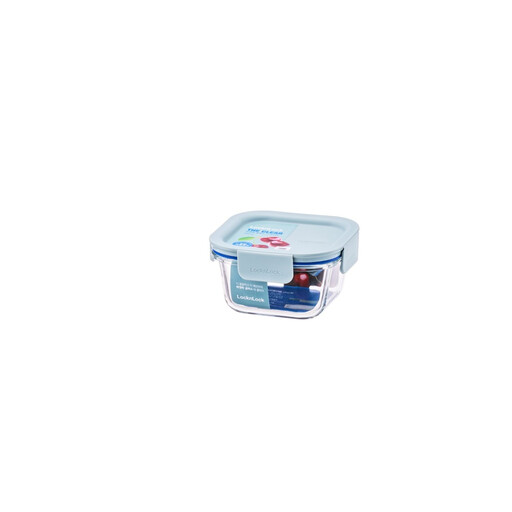
Why we recommend it: Its 500ml square format is perfect for a single serving. The reputation of the LocknLock brand (which manufactures Ovenglass) for its locking systems makes it a trustworthy choice for carrying your lunch without fear of leaks.
It directly tackles the problem of leaks with its four-clip locking system and silicone gasket, which ensure a foolproof seal.
A renowned leak-proof seal and compact size—the perfect combination for a glass lunch box to take to the office.

Why we recommend it: Pyrex is THE benchmark for culinary glass. This 0.8L dish is perfect for a single portion, and its versatility (oven, microwave, freezer) makes it a prime ally for getting started with meal prepping.
Made from high-resistance borosilicate glass, it eliminates any risk of cracking due to thermal shock, unlike low-grade glass.
Versatility and durability. A single dish to cook, store, reheat, and freeze, all with the reliability of a legacy brand.

Why we recommend it: This 10-piece set is the turnkey solution for families or fans of *batch cooking*. It offers two sizes (1040ml and 370ml) to suit all uses, from a main course to a small side dish.
By offering a complete and cohesive set, it ends the headache of mismatched containers. The locking system and borosilicate glass ensure consistent performance across the entire range.
A smart, comprehensive set to get you fully equipped in one go with reliable containers of different sizes.
Explore our full selection of products that meet our demanding selection criteria and European safety standards.
No, this is a very bad idea. Even a borosilicate glass dish can crack under extreme thermal shock. The golden rule: always let a hot dish cool to room temperature before putting it in the fridge or freezer. Conversely, remember to take the dish out of the fridge a few minutes before placing it in the oven to reduce the temperature gap.
The best practice is to check the manufacturer's instructions, usually found on the packaging or etched onto the bottom of the dish. Look for the words "borosilicate glass" or the oven pictogram. When in doubt, and as a precaution, do not use it for oven cooking.
For perfect hygiene and a longer lifespan, the secret is to remove the silicone gasket from the lid before each wash. Wash it by hand with warm, soapy water or, if compatible, place it in the top rack of the dishwasher. Crucially, make sure the gasket and the groove in the lid are completely dry before putting it back. This is the best way to prevent bad odours and bacteria growth.