
Same-day & Next-day Delivery

Quality Guaranteed

Unlock Your Welcome Offers: FREE Delivery | Up to 80% OFF | Free 30-day JoyPlus trial
Download the APP
Switching from plastic to glass for food storage is the ultimate healthy and sustainable choice. However, there's often a world of difference between marketing promises and daily reality. A glass food container that leaks, a dish that cracks at the first thermal shock, or a lid that warps in the microwave: these disappointments are unfortunately common. As a section editor and product specialist at Joybuy, my mission is to decode the technical specs for you and help you make the right choice, far from the marketing jargon.
Before taking the plunge, here are the 3 pitfalls to avoid:
To avoid these pitfalls, focus on the three technical points that truly make a difference.
The number one quality of a glass container is its ability to handle temperature changes. And on this point, borosilicate glass is unbeatable. Unlike standard soda-lime glass (sometimes sold as "tempered glass"), it incorporates boron trioxide. This addition gives it almost zero thermal expansion.
What does this mean in practice? A borosilicate glass container can go from the freezer to the oven (after a short period of adjusting to room temperature) without risking a crack. This is a non-negotiable criterion if you want a true glass oven dish that also serves as a storage container.
The effectiveness of a hermetic glass jar or a lunch box comes down to its lid. Period. Scrutinise three elements:
A good glass dish with a lid should simplify your life. Make sure its various components are compatible with your intended use:
To illustrate these criteria in practice, here is our selection for three typical user profiles.
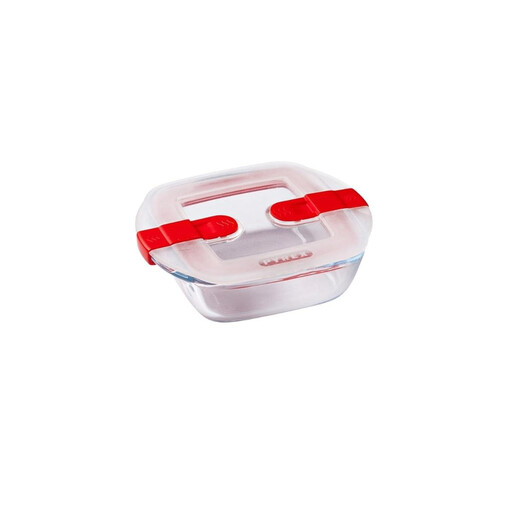
Why it's the right choice: Ideal for a single serving, this compact size is designed for transport and reheating at the office. It fits perfectly in a bag and its design is straight to the point: practicality.
Its patented vented lid allows for microwave reheating without warping or splattering. The borosilicate glass, a Pyrex signature, eliminates any risk of thermal shock.
Smart lid with steam valve; ultra-resistant borosilicate glass; stackable design for optimised storage.

Why it's the right choice: This set of glass containers is the all-in-one solution for managing leftovers, getting into *meal prep*, or storing family-sized dishes. With two sizes (1040 ml and 370 ml), it covers 99% of daily needs.
Its 4-clip (snap-lock) system guarantees a foolproof seal, even with saucy dishes. The high-quality borosilicate glass ensures total versatility: oven, microwave, freezer.
A complete 10-piece set with unbeatable value for money; two ultra-versatile sizes to juggle all uses.
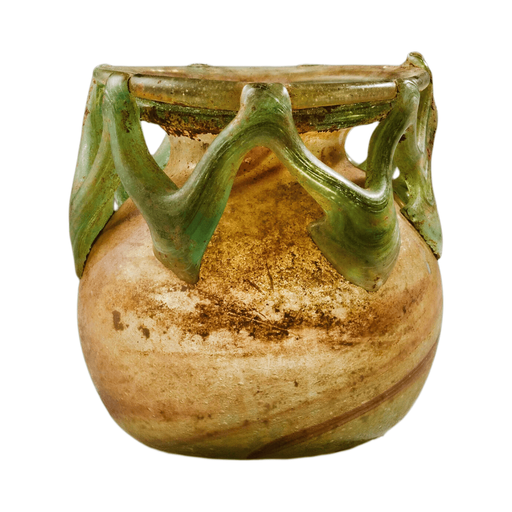
Why it's the right choice: For those who see their kitchen as an art gallery, this jar is a centerpiece. It's perfect for displaying and storing dry goods (pasta, rice, legumes, coffee beans) with a touch of sophistication.
It doesn't pretend to be portable. Its mission is clear: impeccable storage for dry foods. Mission accomplished, thanks to its heavy acacia wood lid, equipped with a silicone seal.
Stunning design with its hammered glass; elegant solid acacia wood lid; silicone seal ensuring optimal preservation.
Discover our complete selection of products that meet our quality charter and the strictest safety standards.
It all depends on the plastic and the model. Always check the pictogram or the manufacturer's instructions. If the lid is compatible, its steam valve must be opened to prevent overpressure. When in doubt, don't: remove it and use a dedicated microwave cover. And one golden rule: never put a plastic lid in a conventional oven.
A borosilicate glass dish is virtually eternal, provided you avoid dropping it. The real wear-and-tear parts are the lid and its gasket. On a quality model, they will last several years with proper care. The real bonus: some reputable brands offer replacement lids and gaskets, a testament to their durability.
Curry, tomato sauce, garlic... some dishes are merciless on silicone seals, leaving behind odours and stains. The first step: wash the gasket separately with hot, soapy water immediately after use. For a deep clean, occasionally soak it in a bath of hot water with baking soda or white vinegar. Be sure to dry it thoroughly before putting it back, that's crucial.