
Livraison le jour même ou le lendemain

Qualité garantie

Débloquez vos offres de bienvenue: Livraison GRATUITE | Jusqu'à -80 % | 30 jours d'essai gratuits à JoyPlus
Téléchargez l'application
Switching to glass for food storage is an excellent choice—for your health, for the planet, and simply to make your life easier. But be warned: the market is flooded with marketing promises that too often lead to disappointment. A leaky glass food container, a warped lid, or a dish that cracks on its first trip to the oven—these are all common, yet avoidable, setbacks.
As a product expert at Joybuy, my mission is to do the legwork for you. Let's cut through the jargon and focus on the criteria that truly matter to make an informed and sustainable choice.
Before you even start comparing models, let's review the two most frequent issues that can render a food container useless in just a few months.
To avoid these disappointments, here are the three technical points to inspect closely before any purchase.
The secret to a truly oven- and microwave-safe container? The material of its dish. Borosilicate glass is the gold standard. Unlike standard soda-lime glass, it handles significant temperature changes without issue. This is what allows you to move a dish from the fridge to the oven (after a short period of adjusting to room temperature) or to reheat your glass lunch box in the microwave with peace of mind. It's a non-negotiable feature for anyone who wants to cook, reheat, and store in the same dish.
A good lid makes all the difference. Check that it's made from high-quality plastic and, crucially, that it is certified BPA-free for safe food contact. The locking system is just as vital. Models with four-sided clips, paired with a removable silicone gasket, are often the best compromise: they ensure a leak-proof seal and allow for deep cleaning to tackle odours and mould.
Whether you're looking for a single container or a set of food containers, keep space optimisation in mind. Square or rectangular shapes stack and store much more easily in a fridge or cupboard than round models. If you're a fan of meal prep, consider containers of various sizes to match portions to your needs: small ones for snacks, medium ones for lunches, and large ones for family-sized meals.
Rather than an endless list, here are our targeted recommendations for different profiles, based on the quality and practicality criteria we've just covered.
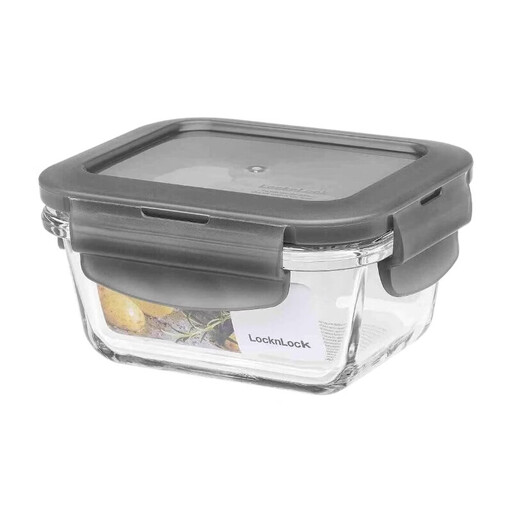
Why we chose it: Its 500 ml capacity is perfect for an individual portion. Its square shape optimises space in a bag, and its glass dish allows you to reheat your meal at the office safely, without transferring flavours or particles.
Its dish is made of heat-resistant borosilicate glass (up to 400°C without the lid), ensuring unbeatable versatility. The clip-lock system and silicone gasket guarantee a reliable seal for transport.
Total versatility: freezer, refrigerator, microwave, and oven (without the lid). A single container to prepare, store, transport, and reheat.
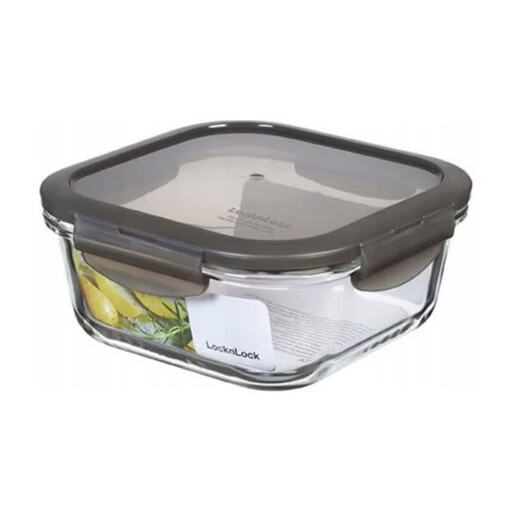
Why we chose it: With its 750 ml capacity, it's perfect for storing leftovers, preparing a small casserole, or making a side salad for two. It goes directly from the oven to the table, then to the fridge.
Its borosilicate glass dish can withstand oven baking, making it a true 2-in-1 tool. The 4-clip airtight lid preserves the freshness of leftovers with zero risk of leaks.
Its versatile size makes it an everyday essential, ideal for both baking small portions and storing larger volumes, all while remaining easy to store.

Why we chose it: For those who prioritise ruggedness above all (picnics, camping, bumpy commutes), stainless steel is the ideal alternative. This set is lightweight, virtually unbreakable, and doesn't retain odours or stains.
It bypasses the main weakness of glass: its fragility. The food-grade 304 stainless steel is both durable and safe. The borosilicate glass lid with a silicone seal lets you see the contents and ensures a reliable seal.
Unmatched lightness and durability. This set is built for adventure and withstands impacts, making it the perfect companion for outdoor activities or heavy use.
We have curated a complete range of products that meet these demanding selection criteria and current safety standards.
As a general rule, no. Lids, even if they are BPA-free plastic, are not designed to withstand the high temperatures of an oven. In the microwave, it's safer to remove it or simply rest it on top of the dish (without locking it) to allow steam to escape. In any case, always consult the manufacturer's instructions.
The main danger is thermal shock. To avoid it, never move a dish directly from the freezer to a preheated oven. Let it return to room temperature first. Likewise, never pour cold liquid into a still-hot glass dish or place it on a cold or wet surface right out of the oven.
To ensure its longevity and perfect hygiene, we recommend removing the silicone seal from the lid for cleaning. Washing it by hand with warm, soapy water is sufficient. Then, let it air dry completely before putting it back. This is the best way to prevent residue buildup and the growth of mould.