
Livraison le jour même ou le lendemain

Qualité garantie

Débloquez vos offres de bienvenue: Livraison GRATUITE | Jusqu'à -80 % | 30 jours d'essai gratuits à JoyPlus
Téléchargez l'application
Combining healthy cooking and the elegance of glass with the speed of induction? It's the dream of every modern chef. While watching your dishes simmer gently through a transparent wall is a true pleasure, compatibility between glass and induction often proves to be a challenge. Not to worry! This guide is here to demystify the topic, introduce you to the available solutions, and help you choose the perfect induction-compatible glass Dutch oven for your kitchen.
Before you start comparing models, there are a few technical points to understand to make the right choice.
Induction cooking works by using a magnetic field to directly heat the cookware. However, glass, like ceramic or copper, is not a ferromagnetic material. Therefore, a glass Dutch oven cannot work on an induction hob by itself.
The solution? An induction adapter plate. This clever accessory, which has a ferromagnetic base, is placed between the hob and the Dutch oven. It captures the magnetic field to generate heat, which is then transferred to the pot via conduction. It's a simple and effective trick to make all your non-compatible cookware, including your borosilicate glass casserole, work on an induction hob.
For non-toxic cooking, the choice of material is crucial. In this regard, borosilicate glass stands out as the gold standard. Unlike many coatings, it is completely inert.
A good Dutch oven is a versatile one. Make sure the model you have your eye on is an oven-safe casserole. Borosilicate glass generally handles oven heat very well, but always be sure to respect the maximum temperature specified by the manufacturer (often between 180?°C and 300?°C). This versatility allows you to start cooking on the hob, finish it in the oven, and serve the dish directly at the table in a vessel that is as practical as it is elegant.
Here is a selection of products that tick all the boxes for quality and functionality for those who love natural cooking.
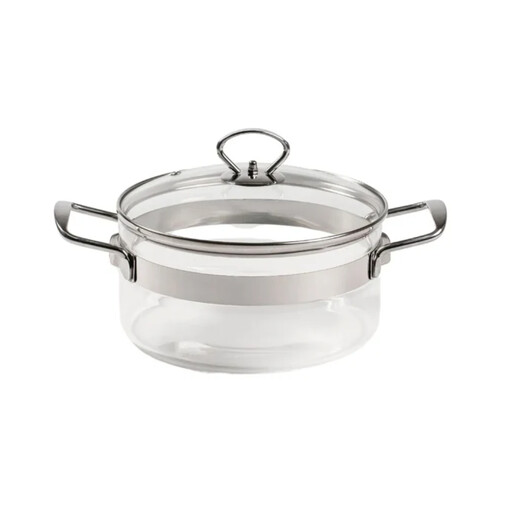
This 2.5-litre model is perfect for everyday meal prep. Its inert borosilicate glass construction ensures healthy cooking without any chemical coatings. The integrated pouring spout is a game-changing detail for serving soups and sauces without spilling a drop.
Ideal for individuals, couples, or for simmering side dishes and sauces.
Please note: For use on an induction hob, an adapter plate (sold separately) is required.
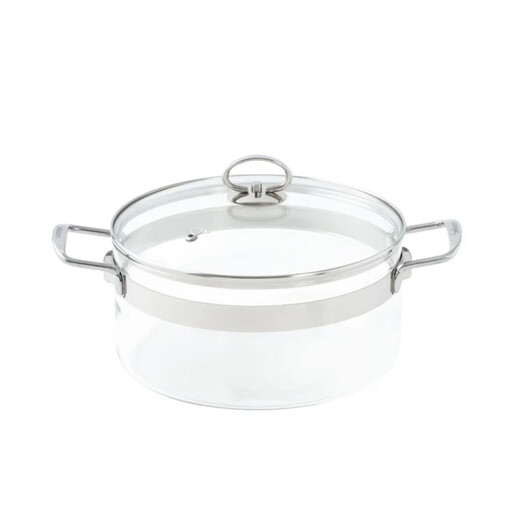
With its generous 4.2-litre capacity, this stockpot is designed for family meals. It shares the same excellent manufacturing quality as the smaller model but in a larger size, perfect for simmering, boiling pasta, or preparing soups for the whole family.
Families and anyone who likes to cook in large quantities, from hearty stews to comforting broths.
Please note: For use on an induction hob, an adapter plate (sold separately) is required.
While an adapter plate is an effective solution, your cooking efficiency also depends on the quality of your hob. If you're thinking about upgrading your equipment or getting an auxiliary burner, this type of portable hob is an excellent option.
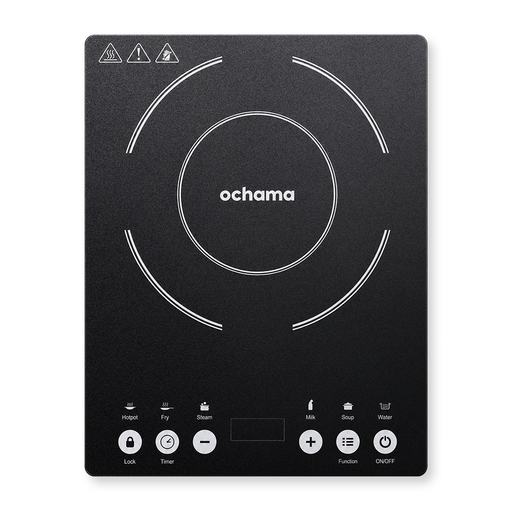
This portable induction hob delivers 2000W of power for express heating. Its touch control panel and LED display make adjusting the cooking settings both precise and intuitive.
Ideal as an auxiliary hob, for small kitchens, student dorms, or for anyone looking for a high-performance, portable induction cooking solution.
If the models featured don't meet your needs, or if you're looking for other formats (baking dishes, salad bowls...), you'll love our dedicated heat-resistant glass category.
Discover Our Heat-Resistant Glass Selection
Absolutely, but on one condition: you must use an induction adapter plate. This ferromagnetic metal accessory is placed between the hob and the Dutch oven. It heats up when in contact with the hob and transfers the heat to the glass pot via conduction. Without it, the hob simply won't detect the cookware.
Borosilicate glass has much better resistance to thermal shock than standard soda-lime glass. This means it can better withstand sudden temperature changes, such as when being removed from the oven. However, it is still a material that can break. Be careful to avoid thermal shock (do not place it on a cold, wet surface while hot) and drops, which could crack it.
To keep your transparent pot looking its best, opt for hand washing with a soft sponge and soapy water. Avoid abrasive scouring pads that could scratch the surface. Finally, always let the cookware cool down completely before cleaning to prevent any thermal shock.