
Livraison le jour même ou le lendemain

Qualité garantie

Débloquez vos offres de bienvenue: Livraison GRATUITE | Jusqu'à -80 % | 30 jours d'essai gratuits à JoyPlus
Téléchargez l'application
Choosing glass drinking glasses isn’t just about comparing a shape or a photo. Between the stated capacities, promises of durability, and care instructions sometimes buried in the small print, certain details can turn an appealing purchase into tableware that’s impractical for everyday use.
Before ordering a set of glasses, it’s worth keeping three common pitfalls in mind:
The capacity should match the drinks you serve, but also the space available in your cupboards. For everyday use, water glasses of 30 to 40 cl generally offer a comfortable margin for water, juices and soft drinks. Smaller 80 ml models are better suited to espresso, tasting portions or small servings.
For wine, a glass of 175 to 320 ml can work for measured servings. A large bowl of 448 ml or more will give extra room for red wines, cocktails and non-alcoholic drinks. Also think about height: a 26 cm stemmed glass may need a taller shelf than a 10 cm glass tumbler.
Classic clear glass lets you appreciate the colour of the drink and easily matches different table styles. Lead-free crystal is often prized for its clarity and refined appearance, while borosilicate glass is used in many double-walled models.
Double-walled glasses create a separation between the drink and the outer surface. Depending on their design, they reduce condensation on the table and make the glass more comfortable to hold. They work well for coffee, tea, cold drinks and certain small servings. However, be cautious with thermal shock: don’t pour a boiling drink into a cold glass without checking the manufacturer’s recommendations.
A set of glasses intended for family use or entertaining should be easy to clean. When the product page states that the glasses are dishwasher-safe, follow the positioning and temperature guidelines. To preserve their clarity, gentle hand washing may still be preferable, especially for blown or thin-walled models.
Before each use, check that there are no chips, cracks or damaged rims. Glasses should not be used in the oven or microwave unless explicitly stated. Also avoid abrasive sponges and sudden temperature changes.
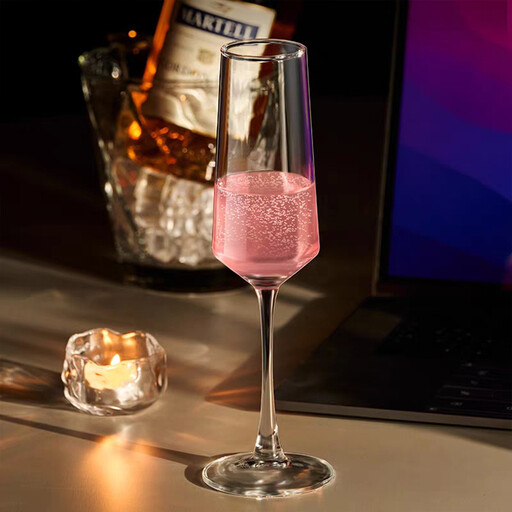
Why this choice suits this profile: This compact format makes a good first purchase for meals for two, celebrations or occasional entertaining.
The 175 ml capacity is clearly stated, and the two-piece set stops you buying a set that’s too large to start with.
Clear glasses suitable for parties, weddings and small gatherings.
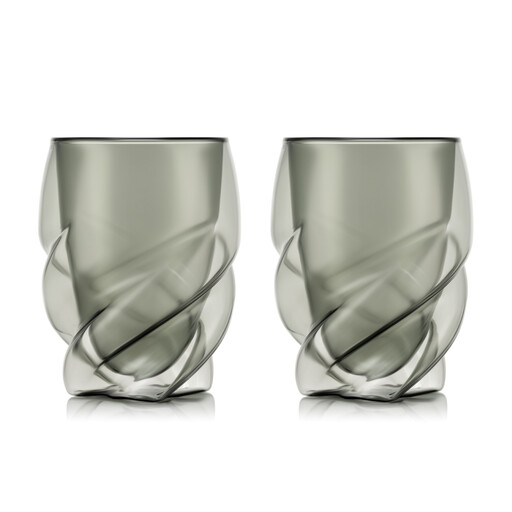
Why this choice suits this profile: Design lovers and fans of hot or cold drinks will appreciate the mouth-blown borosilicate glass and the transparent grey finish.
The product page specifies the material, the 270 ml capacity and dishwasher compatibility, rather than relying on a simple aesthetic promise.
A double wall, an exterior said to be condensation-free, and a size suitable for coffee, tea, water and cocktails alike.
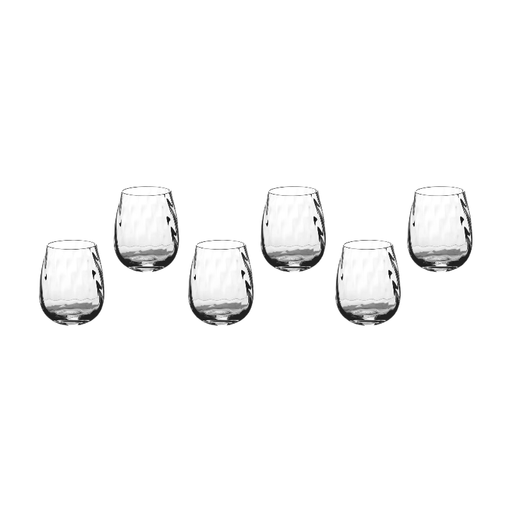
Why this choice suits this profile: A set of six water glasses makes family meals, large gatherings and parties much easier.
The 33 cl capacity and the number of pieces are clearly stated, so you can plan for your household’s or event’s needs.
A lead-free crystal-clear glass, a design said to be robust, and dishwasher-safe care.
We’ve put together a comprehensive list, updated in real time, of products that meet these demanding selection criteria and European safety standards.
A 30 to 40 cl tumbler works well for water, juices and cold drinks. To save space and simplify storage, go for a stable shape, a rim that’s thick enough, and a clear indication about dishwasher safety.
Some borosilicate glass models are designed for both hot and cold drinks. Always check the product page, avoid sudden temperature changes, and don’t use them in the oven or microwave unless explicitly allowed.
For a household, a set of six water glasses makes a practical base. You can then add wine, champagne or whisky glasses depending on your habits. For occasional parties, a two-piece set can complement your existing tableware without cluttering your cupboards.