
Livraison le jour même ou le lendemain

Qualité garantie

Débloquez vos offres de bienvenue: Livraison GRATUITE | Jusqu'à -80 % | 30 jours d'essai gratuits à JoyPlus
Téléchargez l'application
A good oven-safe glass dish with a lid is a true Swiss Army knife in the kitchen. It bakes, stores, reheats, and transports your meals, simplifying your daily life. However, the market is a jungle where marketing promises often hide unpleasant surprises. A lid that leaks in your bag, a dish that cracks coming out of the fridge... you may already be familiar with these disappointments. As editorial experts, our mission is to guide you toward a smart choice, far from misleading claims.
Before you buy, watch out for these three deal-breakers that can turn your purchase into a disappointment after just a few months.
For a purchase you won't regret, here are the three technical features that truly make a difference.
Not all glass is created equal. To juggle between the freezer and the oven, a borosilicate glass dish is the absolute benchmark. Unlike standard soda-lime glass, its low coefficient of thermal expansion gives it exceptional resistance to thermal shock. This allows you to go from one temperature to another (with some precautions) without fear of breakage, ensuring a durable and safe glass baking dish with a lid.
A lid worthy of the name must be perfectly leak-proof. The most reliable systems remain those with four-sided clips, which apply uniform pressure on the seal. Look for a silicone seal and, most importantly, check that it is removable. This is essential for a deep cleaning that will prevent residue buildup and mould growth.
A good glass food container should simplify your life, not complicate it. Check its compatibility with all your appliances:
Finally, ensure the lid is certified BPA-free (Bisphenol A) so you can cook with peace of mind.
Rather than a simple product list, we have identified solutions that meet specific needs, based on the quality and practicality criteria we've just discussed.
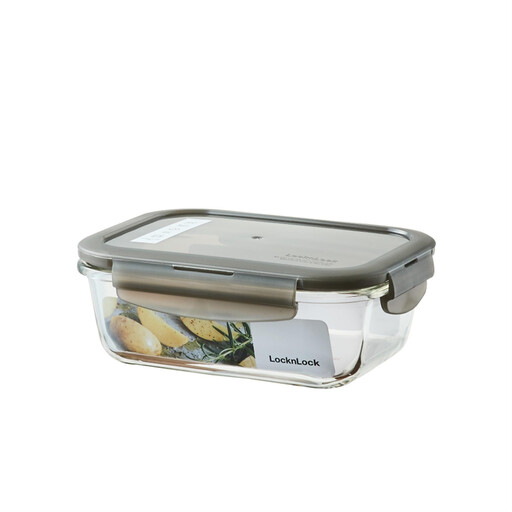
Why we chose it: Its 630 ml capacity is perfect for a single serving. Its rectangular shape optimises space in a bag or fridge, making it the ideal companion for preparing your weekly meals.
The 4-clip locking system and thick silicone seal ensure a foolproof seal, avoiding the pitfall of lids that leak after a few washes.
Borosilicate glass body resistant to thermal shock and compatible with all uses (oven, microwave, freezer). A proven locking system, perfect for transport.
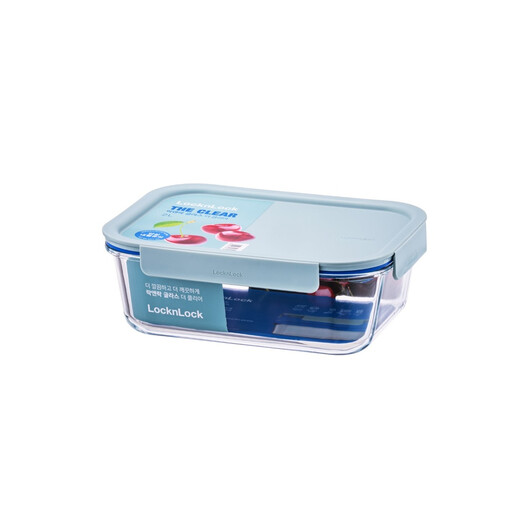
Why we chose it: With its generous 2-litre capacity, this dish is perfect for a gratin, lasagna, or storing family-sized leftovers. It moves seamlessly from the oven to the table, then to the refrigerator.
Made of borosilicate glass, it's built to withstand high oven temperatures, eliminating the risk of cracking in a dish of this size.
Large 2 L capacity ideal for family meals. High thermal resistance for worry-free oven baking.
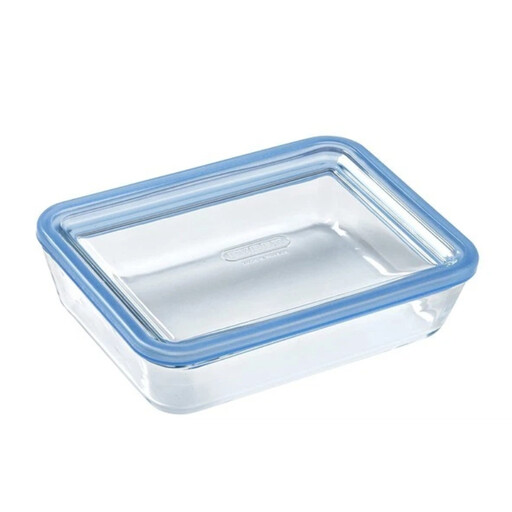
Why we chose it: For those who swear by legacy brands, this Pyrex oven dish is a safe bet. Its non-porous glass doesn't absorb odours or tomato sauce stains, ensuring impeccable hygiene.
PYREX's reputation was built on the quality of its borosilicate glass. Choosing this brand minimises the risk of ending up with a product that has questionable thermal resistance.
Pure, non-porous glass that preserves the flavour of food. A benchmark brand with well-established durability.
We have compiled a complete selection of products that meet our specifications and current safety standards.
No, that's a very bad idea. Even borosilicate glass has its limits. A severe thermal shock (from -18°C to +180°C) can cause it to shatter. The correct method: let the dish return to room temperature for about thirty minutes, or place it in a cold oven and let it heat up with the oven.
For impeccable maintenance, remove the seal from the lid after each use. Wash it by hand with warm, soapy water or place it in the top rack of the dishwasher. Most importantly: let it air dry completely before putting it back. This prevents moisture from getting trapped and stops mould from forming.
This is the recurring question. Pyrex is a brand, while borosilicate glass is a material. Historically, the Pyrex brand (the real one, with a capital P, made in France) is famous for its high-quality borosilicate glass. However, not all borosilicate dishes are made by Pyrex. It is therefore crucial to check the product's composition, regardless of the brand. Today, the word "pyrex" is often used as a synonym for heat resistance.