
Livraison le jour même ou le lendemain

Qualité garantie

Débloquez vos offres de bienvenue: Livraison GRATUITE | Jusqu'à -80 % | 30 jours d'essai gratuits à JoyPlus
Téléchargez l'application
Bake in the oven, store in the fridge, and reheat in the microwave... all in a single dish? That's the promise of the glass oven dish with a lid. Practical, durable, and healthier than plastic, it has become an essential tool for home cooking enthusiasts and meal prep fans.
However, not all glass dishes are created equal. Between marketing promises and reality, it's easy to end up with a disappointing product. Common pitfalls can turn your investment into frustration: a leaky lid, glass that cracks at the first thermal shock, or materials that quickly degrade.
As the Head of Product Curation at Joybuy, my mission is to guide you. Let's break down the essential criteria together to help you make the right choice and say goodbye to unpleasant surprises.
To avoid falling into these traps, focus on objective features. Here are the three non-negotiable points to verify before choosing your oven dish with a lid.
There are two main types of glass used for bakeware: soda-lime glass and borosilicate glass.
The effectiveness of a glass meal prep container depends on its lid. Carefully examine the locking mechanism:
A good freezer and oven-safe glass food container must clearly indicate its compatibility with different appliances. Check for pictograms or manufacturer instructions. A fundamental safety rule to remember is: the plastic lid NEVER goes in the oven. Only the glass dish is designed for high temperatures. Dishwasher compatibility is also a real plus for easy cleaning.
Rather than a long list of products, we've chosen to match specific uses with models that meet all the quality and safety criteria we've just discussed.

Why we chose it: Its 630 ml capacity is perfectly sized for a single serving or small leftovers. Its rectangular shape is very convenient for slipping into a bag for the office.
Its 4-clip locking system with a silicone seal eliminates the risk of leaks. Its borosilicate glass body ensures good resistance to moderate thermal shock.
Total versatility (oven, freezer, microwave) in a compact, portable format.

Why we chose it: With its generous 2-litre capacity, it's perfect for a casserole, a roast chicken, or storing a large batch of soup. Ideal for families or weekend *batch cooking*.
Its borosilicate glass design is specifically engineered to withstand oven baking (up to 400°C without the lid) and freezing, which eliminates the risk of cracking associated with poor-quality glass.
Large capacity for family use and an airtight locking system for optimal leftover storage.
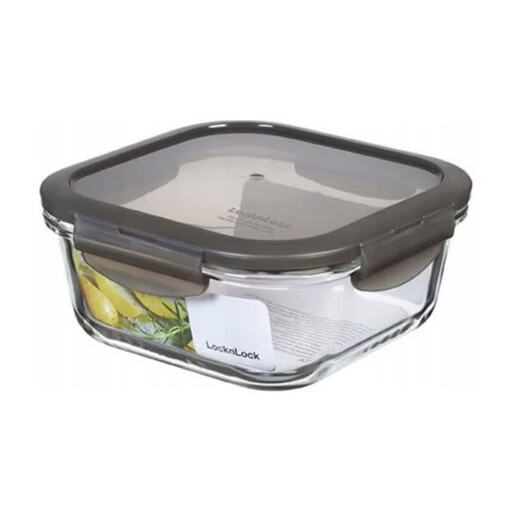
Why we chose it: Its square shape is a real organizational asset. It optimizes space in the fridge and cupboards, as the dishes stack more stably and compactly than round or oval models.
Its sturdy glass construction and perfectly fitted lid prevent warping and loss of effectiveness, a common pitfall with plastic containers that degrade over time and with repeated washing.
Square format for optimized storage, while retaining its cook-store-transport versatility.
We have curated a complete, up-to-date selection of products that meet our strict selection criteria and current safety standards.
No, this is strictly forbidden. You must remove the lid before placing the dish in the oven or microwave. Plastic is not designed to withstand high temperatures: it could melt, warp, or release harmful substances. Only the glass dish is suitable for cooking.
The main risk is thermal shock. To avoid it, never move a dish directly from the freezer to a preheated oven, or from a hot oven under cold water. Let it return to room temperature for a few minutes before any sudden temperature change. Choosing a borosilicate glass dish already significantly reduces this risk.
Glass and stainless steel are both excellent materials, but for different uses. Glass is transparent (convenient for monitoring cooking), non-reactive with acidic foods (tomatoes, lemon...), and microwave-safe. Stainless steel, on the other hand, is lighter, nearly unbreakable, and more resistant to drops, but it cannot be used in the microwave. Your choice will therefore depend on your habits: if you often reheat your meals in the microwave, glass is undoubtedly more versatile.