
Same-day & Next-day Delivery

Quality Guaranteed

Unlock Your Welcome Offers: FREE Delivery | Up to 80% OFF | Free 30-day JoyPlus trial
Download the APP
Glass cookware is all the rage. With its minimalist look and the promise of healthy cooking, it's easy to see the appeal. Its transparency is a real plus for keeping an eye on your food as it cooks, and its inert material guarantees that the taste of your food remains unaltered. But be warned: not all glass is created equal. To avoid unpleasant surprises and make a truly smart purchase, there are a few pitfalls to be aware of.
As a product expert at Joybuy, my role is to help you make an informed decision. Let's break down the key points to check together.
To ensure you make the right choice, here are the technical points you absolutely must verify.
This is THE game-changing factor.
Always check the icons and manufacturer's instructions. A good piece of glass cookware should clearly state its compatibility:
Good design is proven in use. Pay close attention to the handles (integrated or attached): they must offer a good grip and provide maximum heat insulation. A perfectly fitting lid and an effective pouring spout on a glass coffee pot or stockpot are details that transform the experience.
To help you choose, here are a few products that caught our attention, each suited for a specific use.
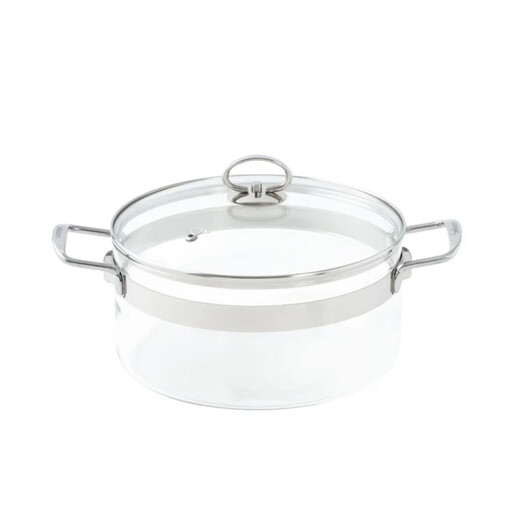
Why we love it: Its large 4.2 L capacity is perfect for soups, stews, or pasta for the whole family. Its fully transparent design allows you to monitor cooking without heat loss, while the inert glass ensures healthy cooking, without transferring flavours or chemicals.
This product is made of borosilicate glass, clearly specifying its compatibility with gas and electric hobs, and its use in the oven up to 180°C. No more "heat-resistant" ambiguity.
Inert, non-porous material, guaranteed PFAS/PTFE-free. Integrated spout for clean pouring.
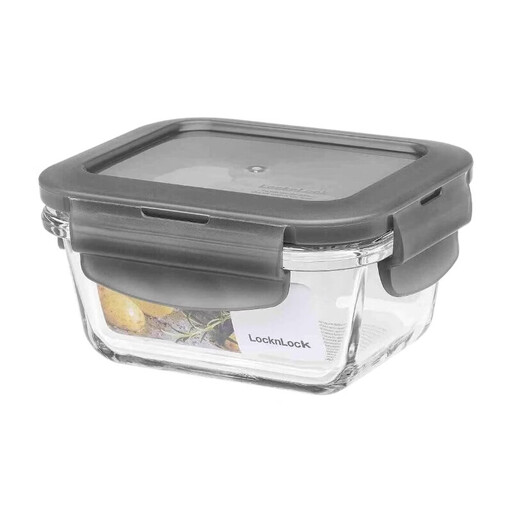
Why we love it: Perfect for *meal prep*, this container goes from the freezer to the oven (without its lid). Its locking system with a silicone seal ensures airtight storage, preserving freshness and preventing leaks in your bag.
It perfectly clarifies its usage limitations: the glass container can withstand up to 400°C, but the plastic lid is not for use in the oven or microwave. This transparency prevents accidents and premature wear.
High versatility (freezer, oven, microwave) and a leak-proof sealing system for optimal storage.
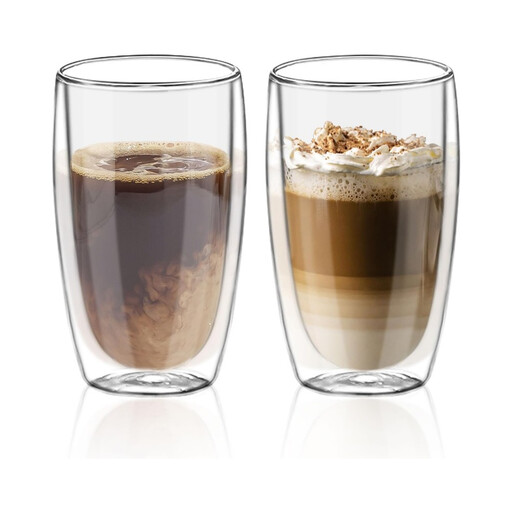
Why we love them: For enjoying a latte macchiato or an iced tea, these **double-walled glasses** are perfect. The thermal insulation keeps the drink at its ideal temperature for longer, while the outer wall remains cool to the touch. The design creates a dramatic floating effect.
This product solves the ergonomics problem: no more burning your fingers. The double-walled design is a functional solution that combines comfort and aesthetics, without false promises.
Excellent thermal insulation for both hot and cold drinks. Made from durable and lightweight borosilicate glass.
Generally, no. Glass is not a magnetic material, which is a prerequisite for induction to work. However, some manufacturers offer a ferromagnetic adapter disc to place between the hob and the pot. Always remember to check for compatibility and the availability of this accessory before purchasing.
It's the nightmare of every glass dish owner! Thermal shock occurs during a sudden temperature change that can cause the material to shatter. To avoid it, never place a hot dish on a cold or wet surface (like a granite countertop or a wet sink). Likewise, do not take a dish from the freezer and place it directly into a preheated oven. Let it return to room temperature for a few minutes first.
Absolutely. Its main advantage, like other food-grade glass, is its inert nature. It contains no chemicals like PFAS, PFOA, or lead, which can sometimes be found in non-stick coatings or low-quality ceramics. It does not react with food, even acidic ones, which guarantees a pure taste and makes your transparent cookware a top choice for healthy cooking.