
Livraison le jour même ou le lendemain

Qualité garantie

Débloquez vos offres de bienvenue: Livraison GRATUITE | Jusqu'à -80 % | 30 jours d'essai gratuits à JoyPlus
Téléchargez l'application
Switching from plastic to glass in the kitchen is an excellent move for both your health and your organisation. But be warned: not all glass containers are created equal. Between the siren song of marketing and the rigours of daily use, disappointment can come quickly. To help you avoid a bad investment, we'll break down the most common pitfalls and the essential criteria for choosing containers that will truly last.
The appeal of glass is undeniable?: it doesn't stain, won't hold onto odours, and is a much healthier and more durable alternative. However, a few design flaws can quickly turn a great idea into a real headache.
To make an informed choice, focus on a few key technical features that make all the difference in daily use.
The choice of glass is paramount. For a glass food container intended for cooking or reheating, borosilicate glass is a non-negotiable feature. It’s what gives you the freedom to prep your meals in advance, freeze them, and then reheat them without switching containers. For storing dry goods at room temperature (like pasta, rice, or flour), soda-lime glass may be sufficient. In any case, verify that the lid and seal are certified BPA-free (Bisphenol A) to ensure no unwanted substances will leach into your food.
A good lid is just as important as the container itself. Opt for a glass dish with a lid that features four sturdy locking clips. The seal, ideally made of silicone, should be removable to allow for thorough cleaning and prevent mould growth. This combination is what guarantees optimal preservation of flavours and nutrients.
Think about your daily habits. Do you need a glass lunch container for work?? A rectangular format between 600?ml and 1?L is often ideal. Are you looking to organise your pantry?? A set of glass storage containers in various sizes with a stackable design will be a smarter choice for optimising space. Dishwasher compatibility (for both the container and the lid) is also a real plus for making life easier.
Rather than an endless list, we've selected a few models that cater to specific needs while meeting our essential criteria for quality, practicality, and safety.

Why we chose it : Perfect for those who prep meals in advance or take their lunch to go. Its size is ideal for a single portion, and its robust design is built for transport.
Made from borosilicate glass, it withstands thermal shock. Its clip-on lid provides a truly airtight seal, eliminating any risk of leaks.
The champion of versatility : freezer, microwave (without lid), and dishwasher safe. The lid is certified BPA-free.
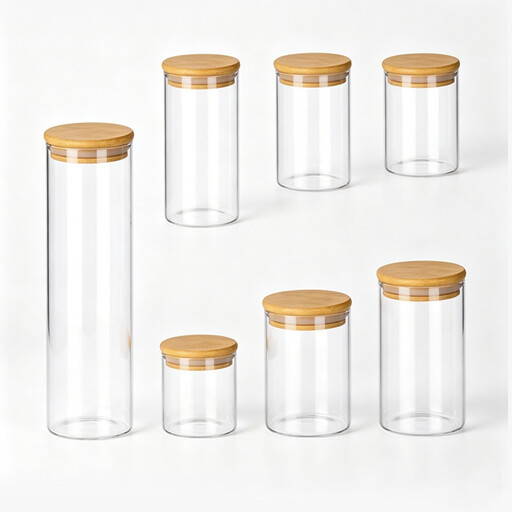
Why we chose it : The perfect solution for standardising your dry food storage (cereals, legumes, pasta) and creating a pantry that's as beautiful as it is practical.
The stackable design and various sizes allow for customised organisation. The airtight lids protect your food from moisture and pests.
An all-in-one solution with 7 sizes (from 431 ml to 2178 ml) to accommodate all types of dry ingredients, from fine salt to spaghetti.
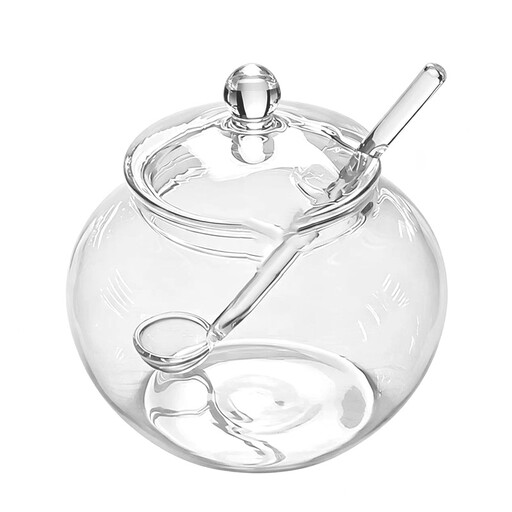
Why we chose it : An elegant solution for storing sugar, salt, spices, or homemade jams. The integrated spoon is a small detail that makes a big difference in daily use.
Its sealed lid ensures impeccable preservation for moisture-sensitive products, unlike a classic, non-airtight sugar bowl.
The compact design and included spoon make it an object that is as aesthetic as it is functional, perfect for leaving out on the countertop or table.
We have compiled a complete list of products that meet our standards for quality, practicality, and safety.
This depends entirely on the type of glass. Only borosilicate glass is designed to withstand such thermal shocks. With standard glass, the risk of it cracking, or even shattering, is very real. Even with borosilicate, it's safer to let the dish rest for a few minutes at room temperature and always remove the lid before microwaving.
To preserve the elasticity and seal of your gaskets, the best practice is to remove them from the lid after each use and wash them by hand with warm, soapy water. Ensure they are completely dry, along with the groove in the lid, before putting them back. Avoid running them through the dishwasher on high heat cycles, as this can warp them over time.
Yes, without a doubt. Glass is an inert material?: there's no risk of chemicals leaching into your food, even when heated. This is its major advantage over plastic. By choosing glass containers with lids guaranteed to be BPA-free, you ensure the entire product is as safe as possible. Another significant benefit?: glass doesn't scratch, which prevents bacteria from lodging in the surface, unlike plastic which degrades over time.