
当日/次日达

品质保障

开启新人专享福利: 全场免邮 | 低至 2 折 | 免费试用 30 天 JoyPlus 会员
下载 Joybuy
Spotless glass can quickly transform the look of a home. However, choosing a glass cleaner is not simply about opting for a pleasant fragrance or the promise of a « brilliant shine ». Windows, mirrors, screens, windscreens and other glass surfaces each have their own requirements. A product that works well on a kitchen window may leave a greasy film on a screen, while car screenwash has no place on a bathroom mirror.
The label streak-free glass cleaner is not the only factor that matters. The amount sprayed, the surface temperature and the cloth used also play a decisive role. Using too much product often leaves residue, particularly on hot glass or surfaces exposed to sunlight. To avoid marks, it is best to spray lightly, then wipe with a clean, dry microfibre cloth.
A glass product may be suitable for mirrors, glass and certain washable surfaces, but not necessarily for screens, varnished furniture or delicate materials. Check the information on the label and test it on a small, inconspicuous area. For a computer or television screen, generally spray the product onto the cloth, never directly onto the device, when recommended in the instructions.
Alcohol speeds up drying, but some formulas are flammable. Use them in a well-ventilated room, away from flames and sources of heat. The hazard pictograms and warnings on the packaging take precedence over marketing claims. Never mix different cleaning products.
Start by deciding what you want to clean:
A 500 to 750 ml bottle is generally enough for everyday cleaning. If your home has a large number of windows, a 5 L ready-to-use container can mean fewer shopping trips, but it will also take up more space in a cupboard or garage. Always check whether the product needs diluting. Conversely, a ready-to-use product should not be made more concentrated.
When comparing prices, look at the price per litre rather than just the bottle price. Also consider cloth usage, the cost of any refills and how often you clean.
A low-lint microfibre cloth makes it easier to achieve an even finish. For hard-to-reach exterior windows, a window-cleaning robot can reduce the need to repeatedly climb a step ladder. However, it does not remove the need for essential safety precautions. The robot must remain plugged in while operating, be attached to its safety cord and only be used on a smooth, intact and sufficiently stable surface.
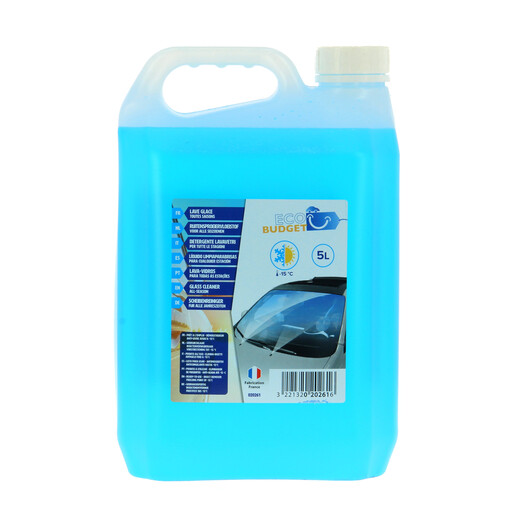
Why this choice suits this customer profile : its large ready-to-use format is suitable for motorists and households that regularly clean several glass surfaces.
Its capacity makes it easy to compare the price per litre and avoid repeatedly buying small bottles. It is presented as ready to use and requires no dilution.
Advertised frost protection down to –15 °C, insect-removing action and direct use in the screenwash reservoir.
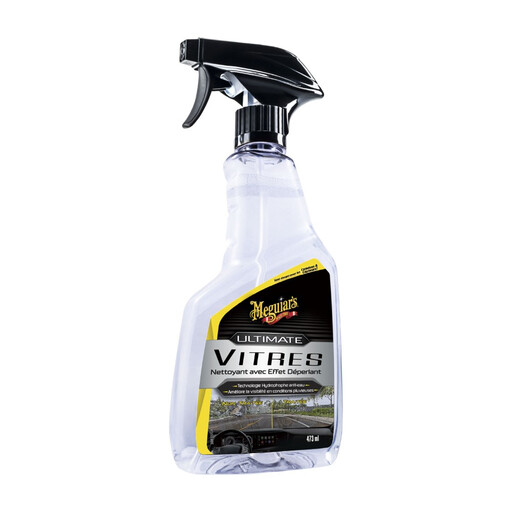
Why this choice suits this customer profile : this automotive product combines cleaning with an advertised water-repellent effect, making it an appealing option for drivers who regularly maintain their windscreen.
The product information states that it is intended for automotive glass surfaces and is compatible with tinted glass. It should therefore not be treated as an ordinary household cleaner.
473 ml bottle, spray application and hydrophobic technology claimed by the brand to make water bead up.
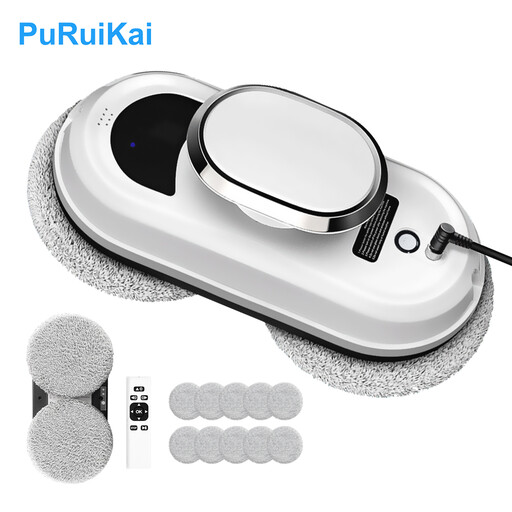
Why this choice suits this customer profile : it is designed for homes with large windows or hard-to-reach exterior glass, where manual cleaning becomes particularly difficult.
The product information specifies that the device must remain plugged in. A 4.5 m safety cord is supplied, while the battery is only used to keep the robot in place in the event of a power cut.
Advertised suction power of 2 800 Pa × 2, automatic edge detection and the ability to remain in place for 20 minutes in the event of a power cut.
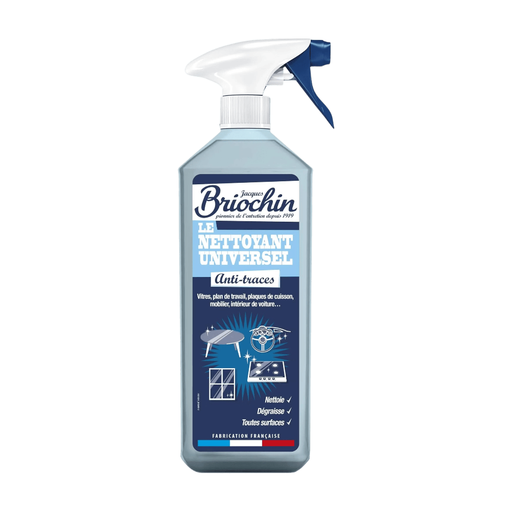
Why this choice suits this customer profile : its 750 ml spray is suitable for everyday cleaning of windows, mirrors, furniture and other washable surfaces around the home.
The instructions mention windows, mirrors and screens, while recommending spraying the product onto the cloth when cleaning the latter. Surfaces that come into contact with food must be rinsed.
Advertised no-rinse spray, formula without artificial colourants and ingredients of natural origin listed in the product information.
We have brought together a comprehensive, real-time updated selection of products that meet these exacting criteria and European safety requirements.
For a windscreen, also remember to clean the wiper blades and make sure that the fluid used is suitable for the vehicle’s reservoir. Clean glass cannot compensate for a worn blade or a mechanical problem that reduces visibility.
A mirror cleaner that dries quickly can do the job, provided you use only a small amount and work with a low-lint cloth. Formulas designed for glass and mirrors are generally preferable to powerful degreasers.
For windows, yes, but only if the product information says it is suitable. On screens, caution is still essential: spray the product onto the cloth and follow the manufacturer’s recommendations. Under no circumstances should liquid be allowed to seep into the openings.
This depends on the date shown on the packaging, storage conditions and how airtight the bottle is. Keep it away from sunlight and heat. If its appearance, smell or texture changes, check the instructions before using it again.