
Livraison le jour même ou le lendemain

Qualité garantie

Débloquez vos offres de bienvenue: Livraison GRATUITE | Jusqu'à -80 % | 30 jours d'essai gratuits à JoyPlus
Téléchargez l'application
Windows, mirrors, shower screens, glass tables and windscreens: your glass cleaner needs to suit the surface and how often you use it. A product that looks impressive on the shelf can still leave a haze, cause drips or prove impractical for everyday use.
Before you buy, it's worth separating marketing claims from the features that really matter. Here are the common pitfalls to avoid, the key criteria to consider, and a selection of products suited to different uses in the UK.
A heavily fragranced or particularly foamy formula doesn't guarantee a streak-free glass cleaner. Residue can come from using too much product, drying too quickly, or a cloth already laden with grease. For consistent results, use a small amount of product with a clean, dry cloth.
A glass cleaner spray in a 500–750 ml bottle is fine for everyday cleaning, but can be impractical for large patio doors. Conversely, a window-cleaning robot or professional squeegee isn't necessarily the best choice for a simple bathroom mirror.
Also check the product's compatibility with screens, treated surfaces, seals and surrounding materials. The manufacturer's recommendations for the appliance or surface should always come first.
Some cleaners contain alcohol, surfactants or fragrances that can irritate eyes and skin. Read the label, ventilate the room and never mix different products. A squeegee with a dirty blade, or a cloth washed with fabric softener, can also spoil the result.
For household use, choose a ready-to-use formula with a spray that allows precise dosing. An eco-friendly glass cleaner can be a good option if its ingredients, safety precautions and claimed performance are clearly stated. Natural ingredients don't automatically mean the product is safe or compatible with all surfaces.
The Ajax Triple Action Glass Cleaner Spray, for example, is presented with a formula made from 99% naturally derived ingredients, a lemon fragrance and a 750 ml bottle. It's recommended for windows, mirrors, glass tables and some screens. When cleaning a TV or computer screen, always follow the manufacturer's instructions first.
The microfibre glass cloth often matters more than the amount of product you use. A clean, low-lint, absorbent fibre reduces marks. Wash it according to the label instructions, and avoid fabric softener if it's not recommended.
A window squeegee is particularly handy for large surfaces and shower screens. Check the blade width, its flexibility and how easily it can be replaced. For a small area, a compact tool with a built-in reservoir can save you carrying a bucket and several accessories.
For a car, a product designed for indoor glass isn't automatically a windscreen washer fluid. The windscreen and mirrors must stay perfectly clear, with no film left after wiping. A manual squeegee can be useful after rain, while windscreen washer fluid is designed for the vehicle's dedicated system.
In a professional setting, a professional glass cleaner should be chosen based on workload, drying time, container size and safety instructions. The cost per use is sometimes more telling than the price of the bottle.
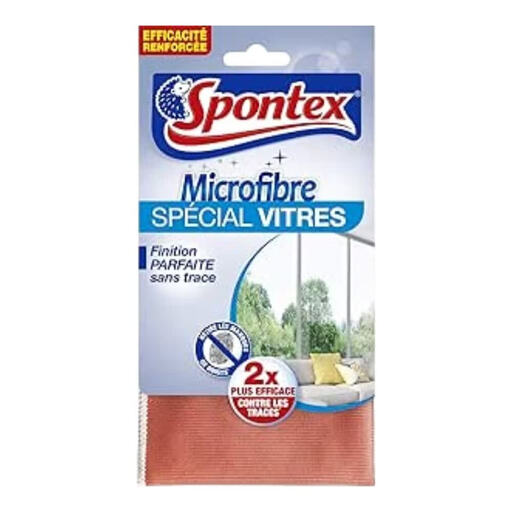
Why this suits this profile: This 35 × 35 cm cloth works with water only and is suitable for windows, mirrors and everyday glass surfaces.
It prevents overuse of product and residue from an overly concentrated formula.
Use with water, machine washable at 60 °C according to the product sheet, and described as recyclable.

Why this suits this profile: This robot is designed for large, smooth glass surfaces and users who want to automate part of their cleaning routine.
It must be used on a smooth surface, plugged in, with the safety cord attached – these requirements should be considered before purchase.
50 ml water tank, dual spray function, automatic edge detection and backup battery according to the product sheet.
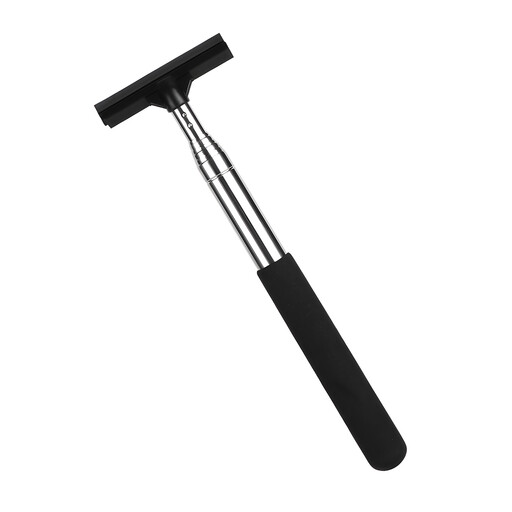
Why this suits this profile: This telescopic tool is designed for motorists and hard-to-reach areas, such as wing mirrors and car windows.
Its adjustable length means you won't be left with a handle too short to reach exterior mirrors.
Extends up to 98 cm, natural rubber blade and weighs just 0.13 kg.
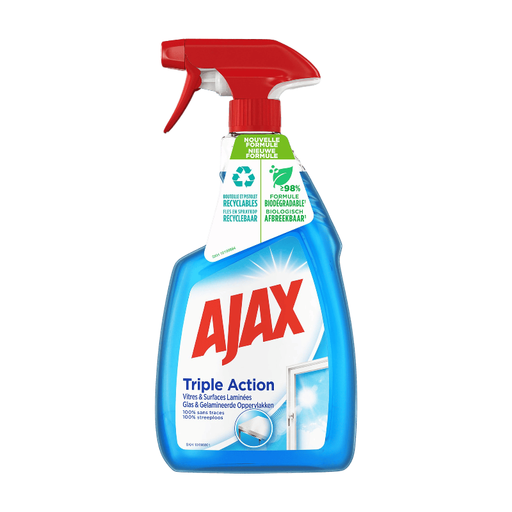
Why this suits this profile: Its 750 ml bottle is ideal for everyday cleaning of windows, mirrors, glass tables and laminated surfaces.
The product sheet mentions a three-action formula and recommends spraying from around 20 cm away, helping you control the amount applied.
750 ml capacity, lemon fragrance and contains less than 5% non-ionic surfactants as stated.
We've put together a comprehensive, real-time updated list of products that meet these strict selection criteria and European safety regulations.
With an automatic device, check the power socket, safety cord, condition of the glass and connection instructions. A window-cleaning robot generally works on smooth surfaces and may still require manual finishing in the corners.
Use a small amount of product, a clean microfibre cloth and wipe in two stages. Avoid cleaning in direct sunlight or on a very hot window – the liquid will dry before you can properly remove it.
Follow the date or instructions on the packaging. Close the bottle after each use and store it away from heat and sunlight. If the smell, colour or texture changes, it's best not to use it.
Not necessarily. For the windscreen and mirrors, choose a product compatible with automotive use or an accessory designed for those surfaces. Always check that the result doesn't leave a film that could reduce visibility.