
Livraison le jour même ou le lendemain

Qualité garantie

Débloquez vos offres de bienvenue: Livraison GRATUITE | Jusqu'à -80 % | 30 jours d'essai gratuits à JoyPlus
Téléchargez l'application
Looking for a ginger beer to cool you down, mix a cocktail or stock up for a get-together? The choice may seem straightforward, but a few details can make a noticeable difference to the taste and the price per litre. A very sweet ginger drink may not be the best choice for a cocktail, while a large bottle can quickly become inconvenient for everyday use.
Before ordering a ginger beer, check three things: the sugar content, the pack size and whether it contains any allergens. That way, you can avoid buying based solely on an exotic-looking label or a promise of an “intense” flavour.
The word “beer” can be confusing. Most of the products featured here are non-alcoholic ginger drinks, but it’s still worth checking the label and alcohol content before placing your order. Ginger beer is usually a fizzy drink flavoured with ginger. It may sometimes be fermented during production, without being an alcoholic beer.
The recipe may include ginger juice, extract, infusion or flavouring. These ingredients don’t all deliver the same intensity or taste. For example, product listings mention ginger extract for Old Jamaica, ginger and natural flavourings for Bundaberg, and ginger infusion and juice for Accent. So check the ingredients list rather than relying on the slogan on the packaging.
Some ginger beers contain around 14 to 15 g of sugars per 100 ml, while others list 4.6 g or 11 g per 100 ml, depending on the recipe. For an occasional drink, the difference may seem minor. It becomes much more noticeable when you’re serving several glasses or mixing a cocktail that already contains sugar.
A sparkling ginger beer can be mild, citrusy or distinctly spicy. If you’re drinking it chilled, choose a flavour profile that suits your taste. For a ginger drink for cocktails, plenty of fizz and a spicy note work particularly well with lime, citrus fruits or spirits.
Take the time to read the ingredients list too: carbonated water, sugar, acidity regulator, ginger extracts, flavourings, preservatives and stabilisers. If you have an allergy, check the full label. For example, VITAMALT Ginger contains barley malt and therefore gluten, according to its product listing.
Always compare values using the same unit. As a guide, the available information lists:
These figures help you compare the recipes, but the label on the product you receive is the one to check.
A 330 ml can of ginger beer is easy to store and works well as an individual serving. A 375 ml bottle of ginger beer can be handy for serving over ice or checking for any ginger sediment. Larger sizes, such as 2 l bottles, are better for sharing, but should be consumed soon after opening.
For a party, community event or bar, work out the total volume rather than just counting the containers. A pack of 24 330 ml bottles holds around 7.92 l, while a pack of 12 375 ml cans contains 4.5 l.
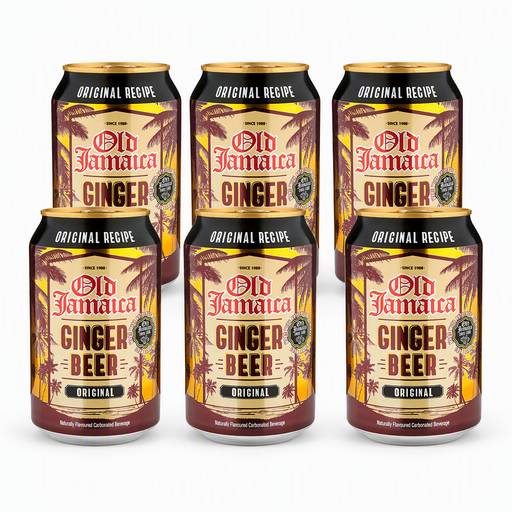
Why it suits this profile : The pack of 6 330 ml cans lets you try a Jamaican ginger drink without ending up with a large stock. The individual serving size is ideal for enjoying chilled or trying your first cocktail.
The smaller pack reduces the risk of buying a large quantity before you know how sweet and spicy the drink is. The product listing also states that no allergens have been declared.
330 ml cans, non-alcoholic drink, a pronounced ginger flavour and 61 kcal per 100 ml, according to the available information.
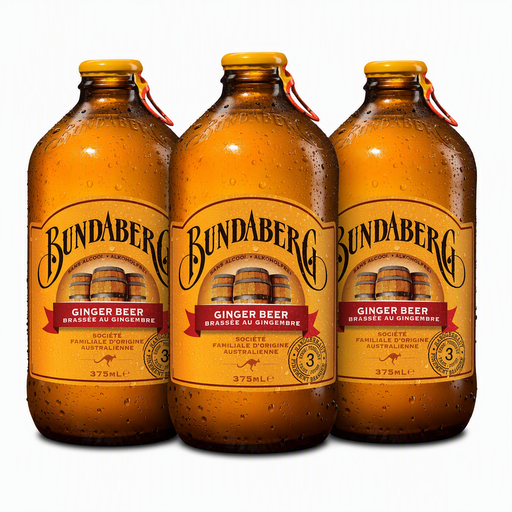
Why it suits this profile : The 375 ml bottle is ideal for serving over ice and making carefully crafted cocktails or mocktails. The product listing says it is made with ginger root using a traditional brewing process.
The 375 ml size means you don’t have to measure out drinks from a large bottle that’s been open for several days. The product listing also gives storage advice and states that it’s made in Australia.
Individual 375 ml bottle, non-alcoholic drink, with 45 kcal and 10.8 g of sugars per 100 ml according to the product information provided.
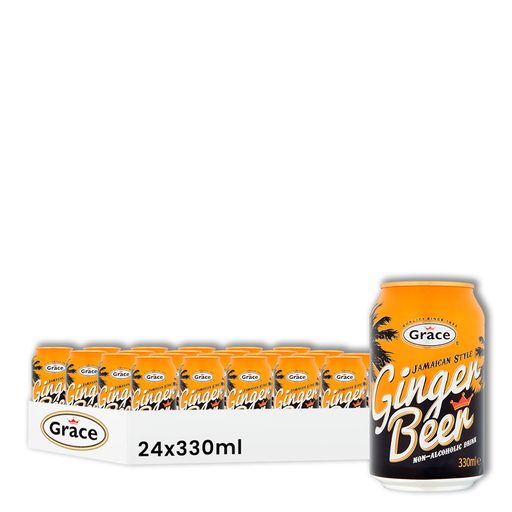
Why it suits this profile : The case of 24 33 cl bottles is ideal for events, offices, catering businesses or households that regularly drink ginger beer.
The total volume is clearly stated, making it easier to work out how many servings you’ll get. The ingredients list includes carbonated water, sugar and natural ginger flavouring.
24 bottles of 33 cl, a handy size for sharing, and 57 kcal and 14 g of sugars per 100 ml according to the available product information.
The products featured in this selection are listed as non-alcoholic drinks. Even so, check the packaging, particularly if it’s a fermented or imported recipe.
Keep it in the fridge and drink it soon, following the manufacturer’s advice. Even when chilled, an opened bottle gradually loses its fizz.
For a cocktail or mocktail, choose an individual 330 to 375 ml size to help preserve the fizz. Compare the sugar content and strength of the ginger flavour too: a very sweet recipe will give you a rounder result, while a less sweet option lets the citrus and other ingredients come through.