
Livraison le jour même ou le lendemain

Qualité garantie

Débloquez vos offres de bienvenue: Livraison GRATUITE | Jusqu'à -80 % | 30 jours d'essai gratuits à JoyPlus
Téléchargez l'application
A scratchy nib, ink that shows through on the next page or a pen that dries out after just a few uses can quickly turn a purchase into a disappointment. For students, teachers, office workers and journaling enthusiasts, choosing between a gel pen and a fineliner comes down less to the colour of the barrel and more to a few specific features.
Before filling your pencil case, watch out for these three common pitfalls:
0.4 mm fine-tip pens are ideal for compact annotations, diagrams, outlines and graphic details. Fineliners with metal-clad tips can also be used with a ruler or stencil, as long as you don’t press too hard.
0.5 mm pens offer a versatile middle ground for everyday writing. They help you keep your writing fairly compact while giving you a smoother feel than a very fine nib. This width is common in erasable gel pens and school pen sets.
0.7 mm pens produce a bolder line that’s generally more comfortable for taking notes over long periods. They’re well suited to exercise books, forms and anyone who prefers their writing to stand out. However, they take up a little more space when you’re making tiny annotations or filling in very compact tables.
Black and blue gel pens are great for everyday writing, but drying times can vary. If you’re left-handed, look for a quick-drying claim and test how the ink behaves on the paper you normally use.
A retractable pen protects the tip when you’re carrying it around and means there’s no cap to lose. Just remember to retract the tip after use. Capped models are still a particularly good choice for drawing and fineliners, as long as you replace the cap carefully to help prevent the ink from drying out.
Thermosensitive erasable ink lets you remove notes by rubbing them. It’s handy for diaries, exercises and rough drafts, but shouldn’t be used for final documents. Heat or friction can change how the ink looks.
A soft grip makes longer writing sessions more comfortable, particularly for students, teachers and office workers. The pen’s weight and barrel shape, as well as whether it has a clip, also matter if you use it for several hours a day.
For drawing and note-taking pens, check that they’re suitable for your paper. Very fluid ink can bleed through thin sheets, while smooth paper can bring out the precision of a 0.4 mm tip. To help your fineliners last longer, replace the caps after every use and store them away from heat and sunlight. Follow the manufacturer’s recommendations too: some models should be stored horizontally.
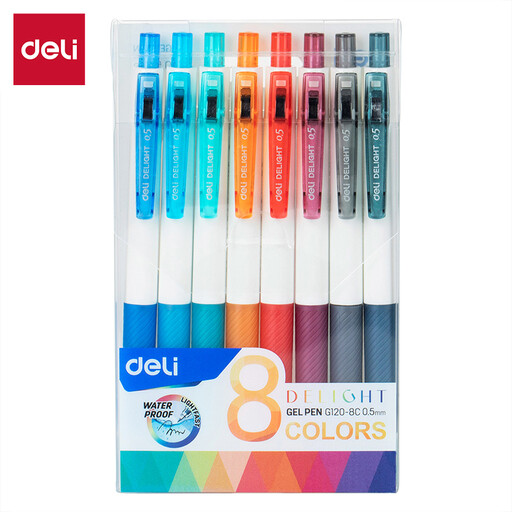
Why it’s a good fit for this profile : This set of eight colours, with 0.5 mm tips, is ideal for taking notes, colour-coding and getting started with journaling.
The nib width and all eight colours are clearly specified, making it easier to compare options before you buy.
0.5 mm ballpoint tip, retractable mechanism, soft grip and a range of colours.
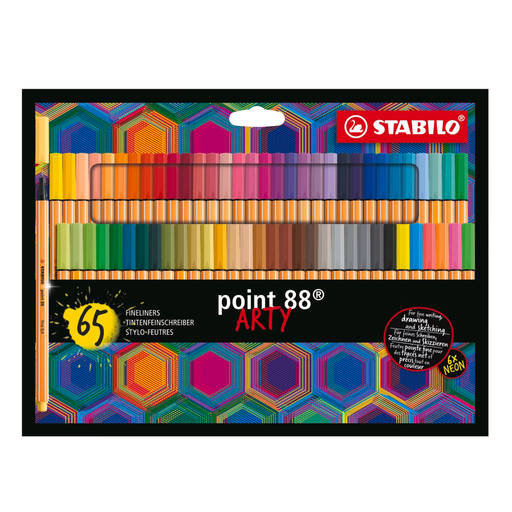
Why it’s a good fit for this profile : With a wide choice of shades, it’s ideal if you like to organise your notes, create illustrations or keep a bullet journal regularly.
The 0.4 mm metal-clad tip is specified for fine lines and outlines, rather than simply being described as “precise”.
65 colours, 0.4 mm fibre tip and 96 % bio-based plastic according to the manufacturer’s description, with ISCC Plus certification mentioned.
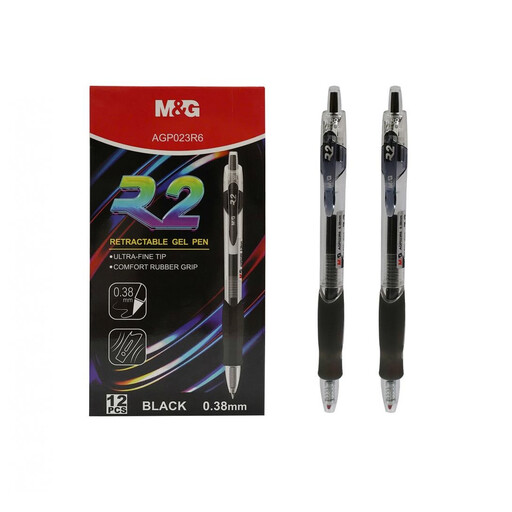
Why it’s a good fit for this profile : Their extra-fine tips and retractable design are well suited to small annotations, tables and frequent note-taking.
The 0.38 mm width is clearly stated, so you won’t mistake a fine tip for a medium-width line.
Pack of 12 pens, black gel ink described as quick-drying, soft grip and click mechanism.

Why it’s a good fit for this profile : This pack of 12 black pens is ideal for pupils, students and professionals who often update their schedules, rough drafts or annotations.
The erasable feature uses thermosensitive gel ink and an integrated friction tip: it’s suitable for corrections, not permanent records.
0.5 mm needle tip, soft grip, quick-drying ink claim and protective cap.
We’ve put together a comprehensive, regularly updated selection of products that meet these exacting criteria and European safety standards.
A 0.5 mm tip is a versatile choice for exercise books and office documents. 0.7 mm models produce a more visible line, while 0.4 mm is better suited to compact annotations and detailed drawing. Always test your pen on the paper you use every day.
They’re handy for rough drafts, diaries and exercises. For a contract, a final copy or a document you need to keep, choose permanent ink and check the recipient’s requirements. Thermosensitive ink can react to heat and friction.
Replace the caps on fineliners after every use, retract the tips of retractable gel pens and avoid leaving them in a car exposed to high temperatures. Store them according to the manufacturer’s recommendations, often horizontally, and use suitable paper to reduce wear on the tip.