
Livraison le jour même ou le lendemain

Qualité garantie

Débloquez vos offres de bienvenue: Livraison GRATUITE | Jusqu'à -80 % | 30 jours d'essai gratuits à JoyPlus
Téléchargez l'application
The promise of a flawless garment in minutes, without even taking out the ironing board? That's what the handheld garment steamer delivers. Perfect for last-minute touch-ups and a trusted ally for travellers and those in small spaces, it has become a daily essential. The problem is, the market is flooded with models featuring often misleading specs. To avoid buyer's remorse, it's crucial to know how to sidestep the most common pitfalls.
As a product expert at Joybuy, I'm here to help you see things more clearly. Let's break down the mistakes to avoid and the criteria that truly make a difference.
Enthusiasm for this practical device can quickly fade if you only listen to the siren song of marketing. Here are the three most frequent traps.
To make an informed choice, forget the marketing jargon and focus on these three objective characteristics. They are the true reflection of your future clothing steamer's performance and convenience.
This is the amount of steam the device generates each minute. The higher this number, the faster and more effective the steaming, especially on thick fabrics like cotton or linen.
This pair of features defines the device's everyday practicality.
The weight, grip, and accessories are the details that make all the difference in use.
Every user has different needs. Here are our recommendations, chosen for their performance, practicality, and their ability to avoid the pitfalls we've just discussed.
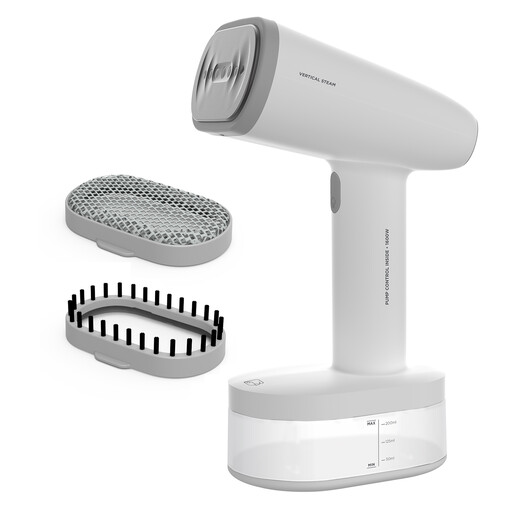
Why it stands out: Perfect for replacing the iron for everyday outfits. It combines a fast heat-up time with a solid steam output, ideal for tackling several garments in a row.
It doesn't just boast high power: its 1600W are put to work for a continuous steam output of 25 g/min, a value that guarantees real efficiency. Its anti-drip system is reliable, and its 250 ml tank ensures good runtime.
Its ceramic soleplate, which ensures a perfect glide and even heat distribution. The self-cleaning function is a real plus for guaranteeing its longevity.
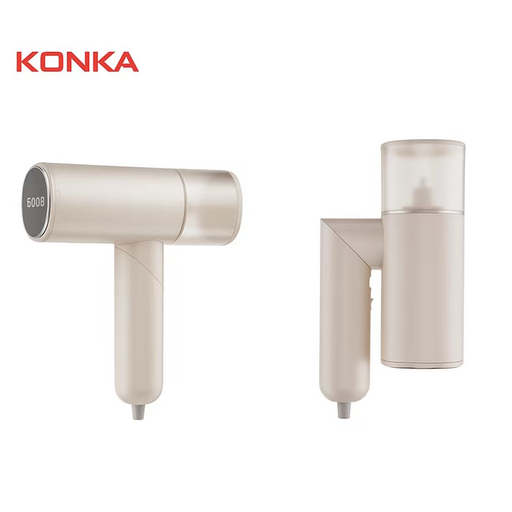
Why it stands out: This is the perfect travel companion for professionals on the go and style-conscious holidaymakers. Its foldable design and ultra-compact size are made to slip into any suitcase.
It embraces its nomadic status: the 150 ml tank is the right compromise for travel. Its electromagnetic pump is designed for a constant flow and, most importantly, to prevent leaks, even when you're in a hurry.
Its one-click foldable handle, which makes it incredibly compact. The separate switches for power and steam are a welcome safety feature when travelling.
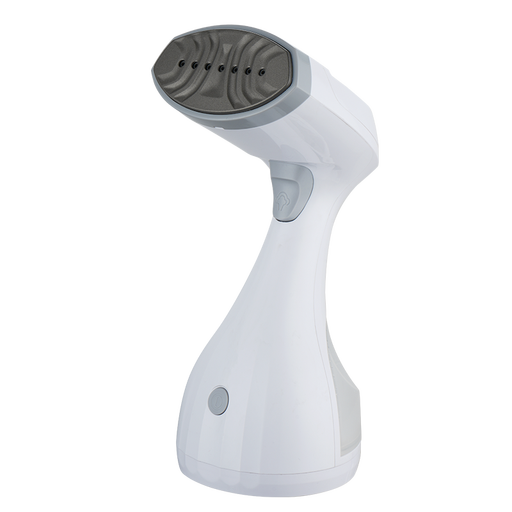
Why it stands out: For those who want an ultra-high-performance device at home without sacrificing runtime. It's perfect for long sessions, like prepping the whole week's outfits.
It addresses the main point of frustration: runtime, thanks to its large 300 ml tank. Its design is also optimised for both vertical and horizontal use without any leaks, making it truly versatile.
Its large tank, which allows for long sessions without interruption. The continuous steam lock button is an absolute comfort for tackling large items like sheets or curtains.
We have selected a full range of products that meet our performance criteria and European safety standards.
An iron uses pressure and heat from a hot soleplate to press and smooth fibres. A steamer, on the other hand, simply uses a powerful jet of steam to relax them. The steamer is therefore faster for touch-ups and much gentler on delicate fabrics. The iron remains unbeatable for creating sharp creases (shirt collars, pleated trousers).
Yes, most models are designed for tap water. However, if your water is very hard (high in minerals), the best practice is to use a 50/50 mix of tap water and demineralised or distilled water. This will prevent limescale buildup and significantly extend the life of your appliance.
On the contrary, a steamer is the best friend of delicate fabrics! Steam is much less aggressive than the direct contact of a hot metal soleplate. For the most fragile materials (silk, velvet, cashmere...), simply keep the device a few centimetres away from the fabric without lingering on one specific area. Pro tip: always do a small test on a hidden part of the garment (like an inner hem).