
Livraison le jour même ou le lendemain

Qualité garantie

Débloquez vos offres de bienvenue: Livraison GRATUITE | Jusqu'à -80 % | 30 jours d'essai gratuits à JoyPlus
Téléchargez l'application
Choosing a pot seems simple… until it cracks after a winter, holds too much water on a balcony or becomes impossible to move once filled. To avoid unsuitable purchases, it is better to compare the shape, capacity, drainage and material durability rather than relying solely on colour or appearance.
This guide reviews the criteria to check before buying garden flower pots and planters, with solutions suitable for seedlings, balconies, patios and larger plants.
A flower pot with a water reservoir can reduce how often you need to water, but it does not remove the need to check how water circulates. A poorly designed retention area or blocked hole can leave the compost permanently waterlogged. Before installation, check whether the product is pre-drilled, whether a plug can be removed and how excess water can drain away.
The weight shown on the product page generally refers to the empty container. Add the compost, water and plant to estimate the actual load. A large rectangular planter installed on a balcony should stand on a stable surface without blocking water drainage. For a tall square pot, also assess the risk of it tipping over, particularly in an exposed, windy area.
Labels such as “frost- and UV-resistant” are useful, but they should be accompanied by clear care instructions. When the water inside a full container freezes, it can place considerable pressure on the sides. If you are looking for an outdoor flower pot, check for drainage holes, whether the water can be emptied and the recommended storage conditions for winter.
Outdoors, water must be able to drain away quickly after heavy rain. Indoors, a tray or saucer protects the floor. Water-reservoir systems are practical when you are away, but their level must be monitored and the retention area emptied regularly.
A recyclable planting pot can help reduce the use of virgin material. Biodegradable seedling pots, meanwhile, can sometimes be planted directly in the ground, depending on the manufacturer’s instructions. For long-lasting use, look for precise information about recyclability, UV and frost resistance, as well as care requirements. These details are more meaningful than a simple “stone effect” or “terracotta look” finish.
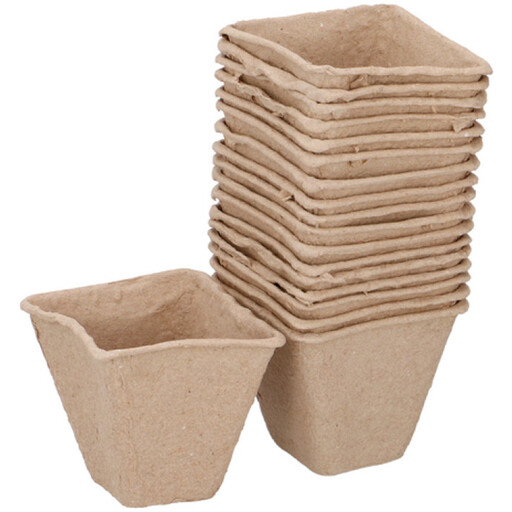
Why this choice suits this profile : This pack of 18 containers is suitable for first seedlings and seasonal planting, without requiring a significant investment in reusable pots.
The biodegradable fibre is designed to be planted together with the young plant, helping to avoid excessive root disturbance when transplanting. However, the shapes may be supplied randomly within the pack.
18 containers for seedlings, material made from recycled plant-based materials and stated suitability for outdoor use.
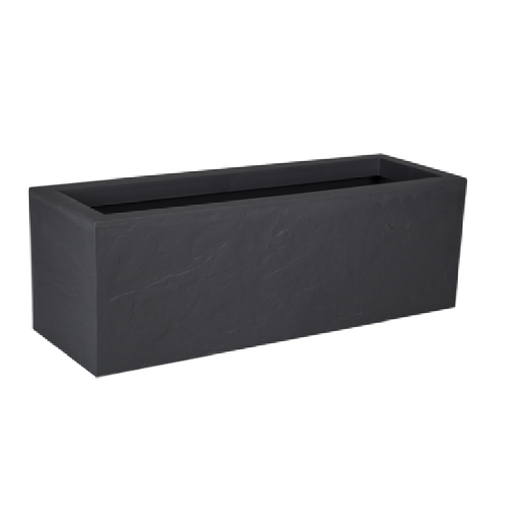
Why this choice suits this profile : With its substantial size and stone-effect finish, this model adds character to a patio or entrance. Its generous capacity is suitable for shrubs and impressive plant arrangements.
The dimensions and capacity are clearly stated. The double wall, pre-drilled holes and retention area provide a clearer indication of practical use than its decorative appearance alone.
98 L capacity, stated protection against UV rays and frost, and material that is 100% recyclable according to the product information.
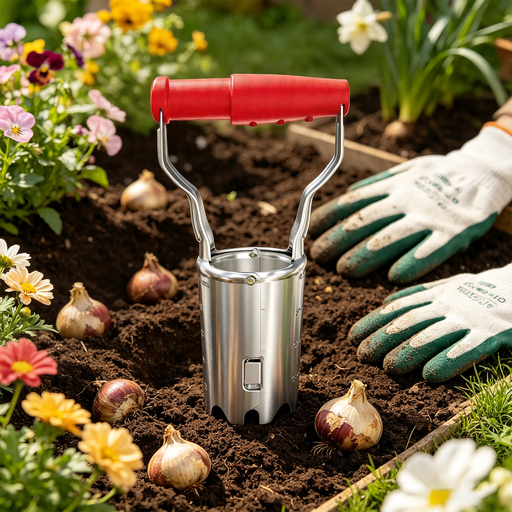
Why this choice suits this profile : This bulb-planting tool is aimed at gardeners who regularly plant tulips, daffodils, irises or young plants.
The guide reaches approximately 10.2 cm and the spoon-shaped base helps you dig evenly sized holes. However, the depth should be adjusted for each type of bulb.
Spring-assisted handle, stated planting diameter of up to approximately 8.1 cm and corrosion-treated surface.
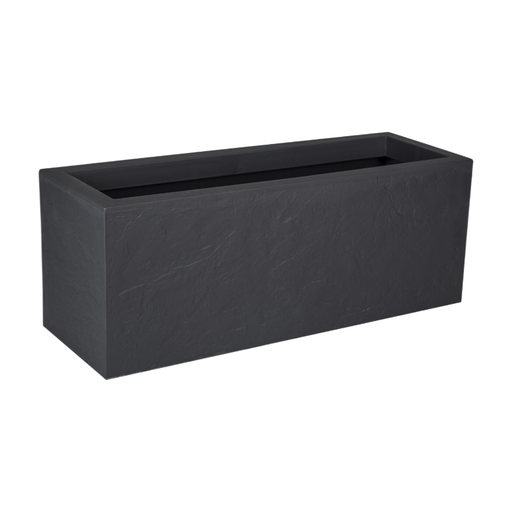
Why this choice suits this profile : At 59 cm long, this planter fits easily on a balcony or at the edge of a patio. It lets you group several flowers together without needing multiple containers.
The retention area and double wall are clearly specified. Nevertheless, the planter must remain on a stable surface and should not be filled beyond the supported load.
25 L capacity, integrated water reservoir and stone-effect finish suitable for outdoor use.
We have brought together a complete, real-time updated selection of products that meet these demanding criteria, while complying with European safety regulations.
A rectangular planter measuring 50 to 60 cm is generally suitable for flowers and herbs. Measure the available depth, estimate the weight once the container is filled and choose a model with well-controlled drainage. A water reservoir can reduce how often you need to water, but you still need to monitor the moisture level of the growing medium.
It depends on the material, the pot’s design and the amount of water it contains. Even when frost and UV resistance is stated, make sure the drainage holes remain clear and avoid any standing water. The plants themselves may also need protection during cold periods.
Ongoing costs mainly involve compost, plants, water and, if necessary, a protective tray. A model with a water reservoir can reduce how often you need to water, while a sturdy, recyclable pot can be used for several seasons. For seedlings, a pack of biodegradable pots avoids the need to buy individual containers, but the supports will need to be replaced for each new batch of planting.