
Livraison le jour même ou le lendemain

Qualité garantie

Débloquez vos offres de bienvenue: Livraison GRATUITE | Jusqu'à -80 % | 30 jours d'essai gratuits à JoyPlus
Téléchargez l'application
With warmer weather on the horizon, the urge to equip the garden for the kids is strong. However, choosing the right garden toy can quickly become a daunting task. Between marketing promises and real-world performance, it's easy to end up with a product that won't last a single season or will be abandoned after just a few days. To help you avoid these common pitfalls, here are the most frequent traps to identify and steer clear of.
To help you make a smart choice, we've analysed the essential criteria that guarantee a wise and long-lasting purchase.
Focusing on a few technical specifications can help you distinguish a great investment from a regrettable purchase. Here are the points you shouldn't overlook.
The sturdiness of an outdoor toy is paramount. For plastic items, check for a UV-resistant treatment. This protection is essential to prevent colours from fading and the structure from weakening under the sun. Manufacturers like Falk and Smoby are leading the way by offering products made partly from recycled plastics, a sign of quality and a positive step for the environment.
Also, ensure the toy complies with the European standard EN 71, which guarantees the product is free from harmful substances and is mechanically safe. This information must be displayed on the packaging or product description.
Rather than relying solely on the indicated age, consider the skills the toy is designed to develop.
A good toy is one that can be used in different ways and evolves with the child. A simple wheelbarrow can be used to transport soil and leaves, but also dolls or cars. A playhouse can become a restaurant, a castle, or a secret base. Toys that encourage creativity, such as pretend gardening toys or building blocks, offer nearly endless replayability and often justify a higher initial investment.
To illustrate these criteria, here are a few recommended options, matched with specific user profiles.
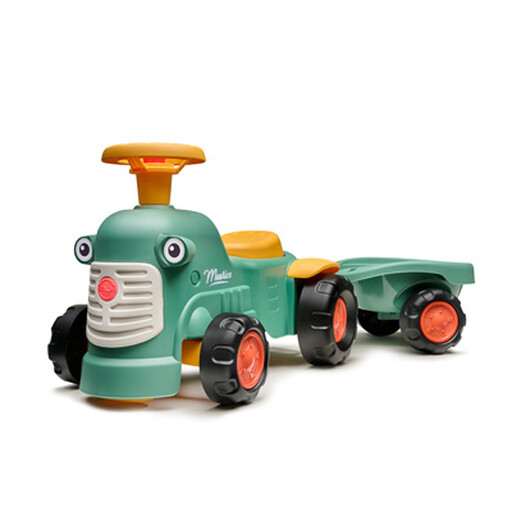
Editor's pick: Perfect for toddlers exploring their surroundings. This sturdy and stable ride-on supports them in their first movements, both indoors and out, while stimulating their motor skills.
Made in France from 90% recycled plastic, it's built to last. Its walker function makes it adaptable and perfectly suited for a child's development from 1 to 3 years old.
Combines a ride-on, a walker, and a small storage compartment under the seat. Its functional trailer multiplies the play possibilities.
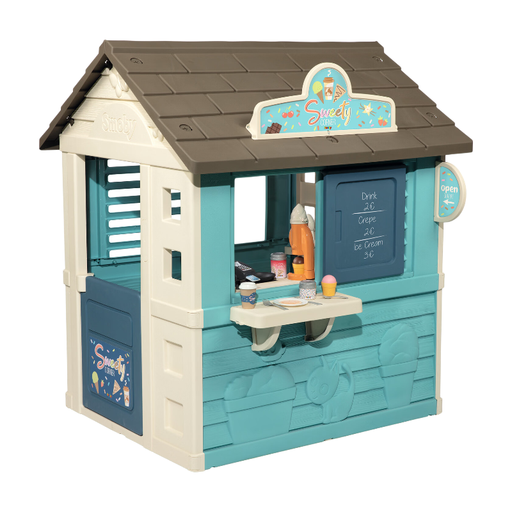
Editor's pick: This themed playhouse transforms the garden into a small shop. It's perfect for encouraging role-play, social interaction, and the imagination of children who love to imitate grown-ups.
The plastic is UV-treated, which prevents fading and brittleness. Its 18 accessories (ice cream machine, pancakes, etc.) are genuinely useful for play and avoid the "gimmick-that-gets-lost" syndrome.
The original ice cream and pancake vendor theme provides a structured and highly stimulating play environment. The French manufacturing and use of recycled materials are real bonuses.
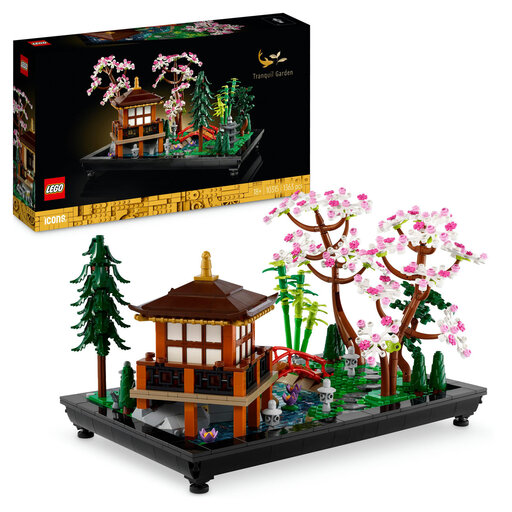
Editor's pick: Because the garden, even in brick form, isn't just for kids. This building set for adults is a creative and relaxing project that results in a beautiful decorative piece inspired by Japanese gardens.
This is a collector's item designed for display and durability. The quality of LEGO pieces is a sure thing, guaranteeing a precise assembly and an aesthetic final result that won't degrade.
The building experience is immersive, almost meditative. The final model is customisable, allowing you to rearrange the elements to create a unique scene for your home or office.
Explore our full selection of products that meet our quality criteria and European safety standards.
A simple, regular cleaning with soapy water is sufficient. To preserve the colours and strength of the plastic, it's best to store the toys out of the sun and weather during long periods of inactivity, especially in winter. If the toy is not UV-treated, this precaution is all the more critical.
Sets of lightweight plastic tools with rounded edges are generally suitable from age 3, under adult supervision. They allow children to safely mimic gardening actions. For tools with metal parts, it's better to wait until age 6 or 7, when the child has better coordination and awareness of safety rules.
Each material has its advantages. Wood is often seen as more aesthetic and eco-friendly, but it requires more maintenance. It must be treated (with non-toxic stain or paint) and stored in a dry place to prevent it from rotting or splitting. Good quality, UV-treated plastic offers excellent durability, easy maintenance, and high safety (no splinters) at an often more affordable price point. Ultimately, the choice depends on your priorities: the aesthetics and natural feel of wood, or the practicality and price of plastic.