
Livraison le jour même ou le lendemain

Qualité garantie

Débloquez vos offres de bienvenue: Livraison GRATUITE | Jusqu'à -80 % | 30 jours d'essai gratuits à JoyPlus
Téléchargez l'application
As the weather warms up, the desire to dine outdoors is undeniable. But whether you have a large garden, a terrace, or a small balcony, your needs will differ. Choosing the right garden table is the key to transforming your outdoor area into a true extension of your living space. Faced with an overwhelming selection of materials, sizes, and styles, it's easy to feel lost.
This guide is here to provide clear benchmarks and practical advice. The goal?: to help you find the perfect table for your needs, cutting through the marketing jargon. Let's review the essential criteria before exploring our top picks for every budget and space.
Before you commit to a model, there are a few technical points to consider. A well-considered purchase ensures you get a piece of furniture that will stand the test of time and be genuinely practical for daily use.
The choice of material is crucial?: it determines not only the look of your table but also its durability against the elements and the amount of time you'll spend on maintenance.
This is the number one criterion?: how much surface area do you have available?
For limited spaces, a balcony table or a folding outdoor table is often the smartest solution. It allows you to set up a dining area without obstructing walkways and can be easily stored away after use.
Love hosting impromptu guests? An extending dining table is the most versatile option. It adapts to the number of guests, converting from a 4-person setup to a table for 6 or 8 in just a few simple steps. Be sure to measure your terrace carefully?: the table, even when extended, must leave enough room to move around without bumping elbows.
What will your table be used for? Just for meals, or something more? For grill masters, a serving cart or an extra work surface is a game-changer. Some outdoor kitchen models go even further by integrating storage, shelves, and even an ice bucket. These features can turn your barbecue prep into a social and perfectly organised experience.
To move from theory to practice, here are three models that caught our eye, each designed for a specific use and space.
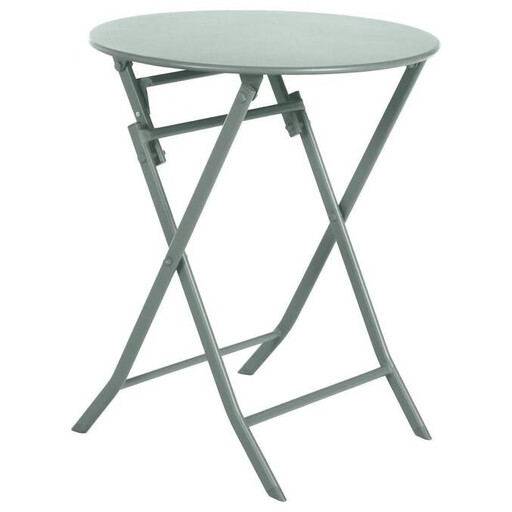
Why it stands out?: The Greensboro is the perfect blend of practicality and style. With its curved steel frame and compact design, it's ideal for creating a cosy dining nook on a balcony or small terrace.
Key features?:
Who is it for??: City dwellers, couples, and anyone with limited outdoor space who doesn't want to sacrifice style. The quintessential smart and functional balcony table.

Why it stands out?: This table's greatest strength is its versatility. With its extendable top and Scandinavian-inspired design (white marble effect and gold accents), it transitions seamlessly from the dining room to a covered terrace.
Key features?:
Who is it for??: Families and anyone who loves to entertain. A flexible extending dining table, perfect for large gatherings, whether indoors or on a sheltered terrace.
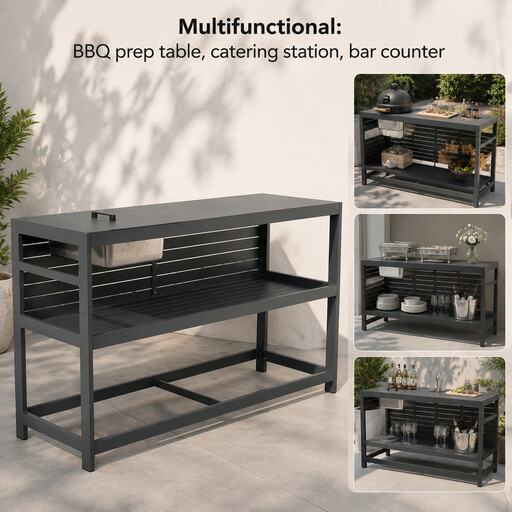
Why it stands out?: Much more than just a table, this Terrabeta model is a true mobile prep station. Conceived as a portable outdoor kitchen, it was designed to make life easier for grilling enthusiasts.
Key features?:
Who is it for??: Barbecue and outdoor entertaining enthusiasts looking for an ultra-functional piece to organise their cooking and serving area like a pro.
Don't these models match the vibe you're imagining? Other styles are available. For a more classic and romantic touch, for example, wrought iron furniture remains a timeless choice.
Discover our collection of white iron garden tables and chairs
What's the best material for a table that stays outdoors all year round? Without a doubt, aluminium. It doesn't rust and handles bad weather extremely well. High-Pressure Laminates (HPL) are also an excellent option, as they are virtually indestructible. If you prefer steel or wood, a high-quality protective cover (or winter storage) is non-negotiable to get through the winter undamaged.
How do I maintain my metal garden table? For aluminium or epoxy-coated steel, it couldn't be simpler?: a wipe with a soft cloth and soapy water is enough for most stains and dust. Above all, do not use abrasive sponges or harsh detergents, as you risk scratching the surface or damaging the protective coating.