
Livraison le jour même ou le lendemain

Qualité garantie

Débloquez vos offres de bienvenue: Livraison GRATUITE | Jusqu'à -80 % | 30 jours d'essai gratuits à JoyPlus
Téléchargez l'application
A well-organized garden is a living space that invites relaxation. However, choosing the right garden storage solution often turns into a headache. Between marketing promises and real-world conditions, it's all too easy to make a poor purchase. As product experts, our mission is to guide you. Let's break down the pitfalls to avoid and the criteria that truly matter for a successful investment.
Before you even start comparing models, let's review the deal-breakers that too often turn a good bargain into a real disappointment.
The False Promise of Waterproofing: Many products claim to be "?water-resistant," a nuance that makes all the difference. Without a gasket sealing system or a well-designed overlapping lid, moisture will eventually find its way in. The result? Mouldy cushions, rusted tools, and equipment that's headed for the bin. A truly waterproof storage box is designed to block water, not just withstand it.
The Fragility of Low-End Materials: Thin, non-UV-treated plastic will become brittle after a few seasons of sun and frost. Likewise, metal without galvanisation or a low-quality paint coating will rust at the first opportunity. Make no mistake: the longevity of a garden shed or cabinet depends entirely on the quality of its materials.
Symbolic Security: A simple plastic latch or a flimsy closing mechanism won't deter anyone. If you plan to store valuable tools, a bicycle, or expensive equipment, the ability to add a real padlock to a metal locking system isn't an option—it's a must.
To avoid these pitfalls, here are the technical specifications you must be uncompromising about.
The choice of material is the cornerstone of your outdoor storage solution's resistance to the elements and, ultimately, its lifespan.
Material isn't everything; the product's design is just as crucial. For an outdoor storage box, the lid must overlap the edges of the container to block rain infiltration. For a cabinet, gaskets on the doors make a real difference. Also consider practicality: adjustable shelves optimise space for your garden tool storage, while double doors make it easier to access a lawnmower or bikes.
Because every garden and every need is unique, here is our selection of products that tick all the quality boxes we've just discussed.
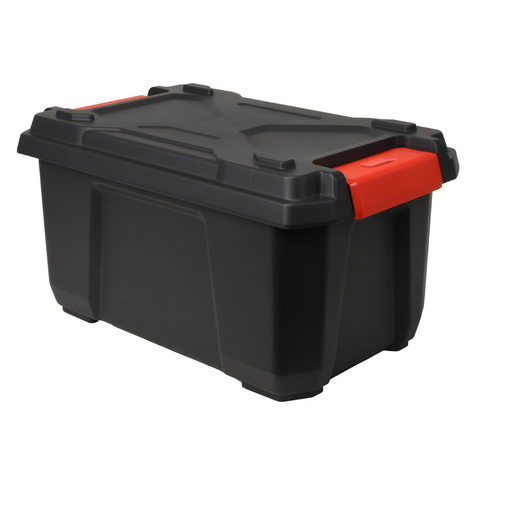
Why we chose it: Perfect for a balcony, a small patio, or for keeping gear dry in the boot of your car. Its compact size meets essential storage needs without eating up space.
Unlike a myriad of other small boxes, this model incorporates a true weatherproof seal, offering reliable protection against rain and humidity that goes far beyond simple " water resistance ".
Robust construction from recycled plastic, designed to withstand the elements. Its 40-litre capacity is perfect for tools, camping gear, or gardening supplies.
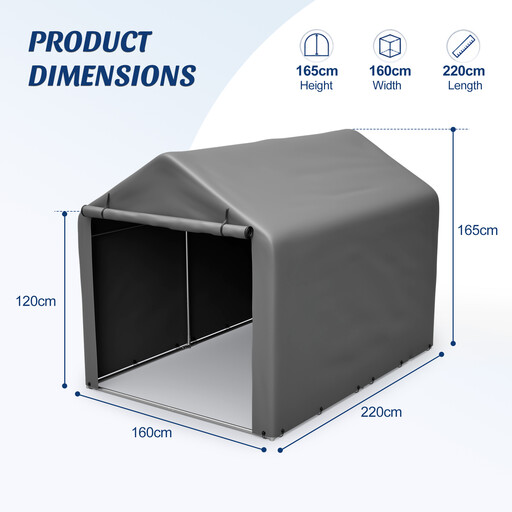
Why we chose it: The flexible and spacious solution for sheltering bikes or a lawnmower without committing to building a permanent shed. Perfect for renters or for seasonal storage needs.
It avoids the fragile material pitfall with its galvanised alloy steel frame and UV-treated PE fabric—a winning combination against rust and sun degradation.
Large capacity (up to 4 bikes), lightweight yet sturdy design with gutters to channel water away. Quick to assemble and disassemble.
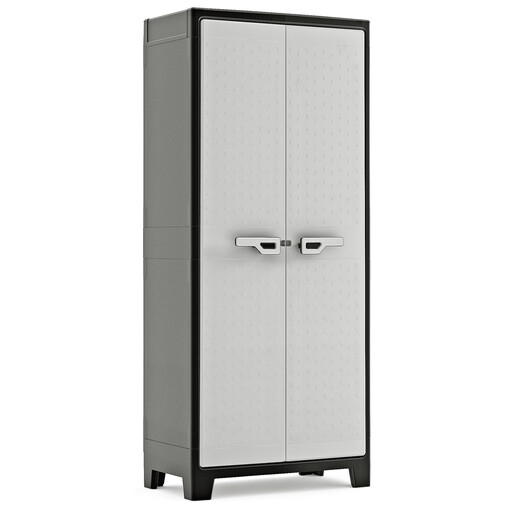
Why we chose it: For those who want durable, perfectly organised vertical storage for a garage, utility room, or sheltered patio. The perfect choice for garden tool storage, cleaning supplies, or DIY equipment.
This model tackles the issues of security and fragility head-on. Its durable polypropylene structure and its locking system (padlock not included) keep contents secure. Its certified waterproof design ensures reliable protection from water.
Four adjustable shelves for customised organisation, supporting a total load of 150 kg. Made in Italy from recycled materials.
We have selected other products for you that meet our standards for quality and durability.
It all depends on your needs. An outdoor storage box (or deck box) is low and wide, perfect for storing cushions, outdoor toys, or pool equipment. It can even double as extra seating. A garden cabinet, on the other hand, is vertical and equipped with shelves, making it ideal for garden tool storage, cleaning supplies, or small accessories that require more rigorous organisation.
Maintenance varies depending on the material. For resin or plastic, a simple cleaning with soapy water once or twice a year is sufficient. For a metal garden shed, be sure to regularly inspect the surface for any scratches that could expose the steel to rust; apply a paint touch-up if needed. In any case, it's a good idea to check and tighten all screws once a year and ensure the base remains stable and level.
Yes, French regulations are very clear on this point. As a general rule: for a floor area and footprint up to 5?m?, no authorisation is required. Between 5?m? and 20?m?, a 'déclaration préalable de travaux' (prior declaration of work) filed with the local town hall is mandatory. Beyond 20?m?, you will need a building permit ('permis de construire'). Be aware that these thresholds can vary depending on your municipality's Local Urbanism Plan (PLU). Our advice: always contact your local council before you start.