
Livraison le jour même ou le lendemain

Qualité garantie

Débloquez vos offres de bienvenue: Livraison GRATUITE | Jusqu'à -80 % | 30 jours d'essai gratuits à JoyPlus
Téléchargez l'application
A tidy garden makes for a more pleasant living space. Yet, between tools, the lawnmower, bikes, and children's toys, your outdoor area can quickly descend into chaos. A garden shed seems like the perfect solution. But be careful—without paying close attention to a few key details, your purchase can quickly lead to disappointment.
As a product expert at Joybuy, my mission is to guide you. Let's skip the marketing jargon and get straight to the point: here are the most common pitfalls to avoid and the essential criteria for a successful purchase.
The market is flooded with models that look promising... on the surface. But often, their flaws only become apparent after a few months of use.
To avoid these pitfalls, you just need to focus on a few specific technical features.
The choice of material is the primary factor in the longevity of your garden shed.
Two design points are crucial for keeping your belongings dry.
Before you decide, take out your tape measure and list everything you plan to store. Always compare the internal dimensions (the usable space) with the external ones. Assess the volume you'll need for bike storage, a tool shed, or for storing a lawnmower and garden furniture. Don't forget to check the ceiling height and door width, which are crucial for moving bulky items in and out.
To illustrate these criteria in action, here are a few solutions designed for different needs.
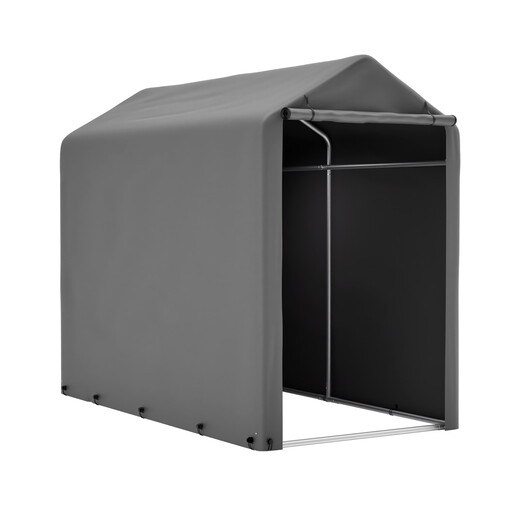
Why it's a great choice: Ideal for those short on space or on a tight budget. It provides effective protection for one or two bikes and a few tools, without requiring a concrete slab. It's highly flexible and easy to assemble and disassemble.
Its galvanized steel frame prevents rust, and its UV-treated 170 g/m? PE cover withstands the elements. Say goodbye to the low-quality material trap.
Quick assembly without complex tools and versatile installation options (lawn, gravel, patio...).
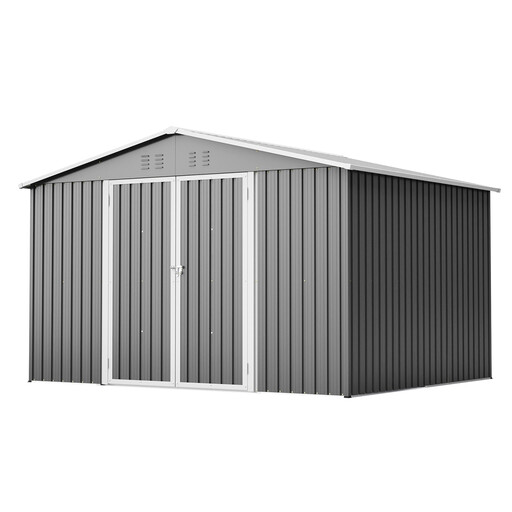
Why it's a great choice: With its generous floor space, it perfectly meets the needs of families and gardening enthusiasts. It can store all your bulky equipment: lawnmower, barbecue, garden furniture, and bikes. A complete and secure storage solution.
Its gable roof ensures excellent water drainage, and its air vents prevent condensation. Combined with its galvanized steel structure, it guarantees long-lasting protection.
Very large storage volume and lockable double doors for easy access and maximum security.
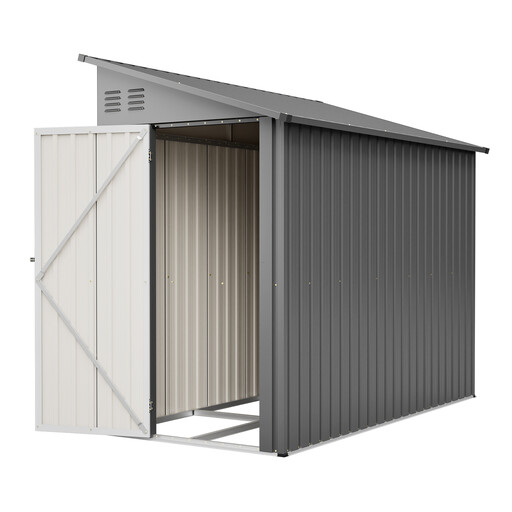
Why it's a great choice: Perfect for those looking for a robust, long-lasting solution. Its lean-to design with a pent roof is ideal for installation against a wall, optimising space in the garden or on a patio.
Its steeply pitched pent roof prevents any water from pooling. Its hot-dip galvanized steel frame and corner guards give it unbeatable strength and corrosion resistance.
Robust design with 4 air vents ensuring constant airflow for effective protection against moisture.
Explore our full selection of products that meet our quality standards and current regulations.
Planning regulations for garden sheds vary significantly by country, state, and even city. Requirements are typically based on the shed's footprint (floor area) and overall height.
A solid anchor is crucial for wind resistance. The most reliable method is to install the shed on a concrete slab that has been poured beforehand. Most metal sheds come with an anchor kit or a base frame. Once the shed is assembled on the slab, simply use expansion bolts or anchor screws to securely fasten the frame to the concrete through the pre-drilled holes.
It all depends on the quality of the materials and its exposure to the elements. A well-made metal garden shed (using galvanized steel) can easily last 15 to 20 years or more with almost no maintenance. A storage tent, even one with a galvanized steel frame and a thick, UV-treated PE cover, will have a shorter lifespan. The frame will last, but the cover will likely need to be replaced after 5 to 10 years, depending on the climate. Therefore, a tent offers more flexibility for a lower initial cost, while a metal shed represents a more durable, long-term investment.