
Livraison le jour même ou le lendemain

Qualité garantie

Débloquez vos offres de bienvenue: Livraison GRATUITE | Jusqu'à -80 % | 30 jours d'essai gratuits à JoyPlus
Téléchargez l'application
Enjoying your garden, terrace, or balcony away from prying eyes is a luxury many of us seek. A good garden privacy screen does more than just protect your privacy. It's also an ally against the wind and a stylish way to structure your outdoor space. But with so many different materials, opacity levels, and fastening systems, making the right choice can quickly become a daunting task.
This guide is here to shed some light and help you find the perfect screening solution for your needs and your outdoor area.
Before you take the plunge, there are three technical aspects to consider closely. They will determine the effectiveness and lifespan of your installation.
The screening power of a privacy screen fabric is directly related to its grammage, expressed in grams per square meter (g/m?). The rule is simple: the higher the grammage, the more effective the screening.
A privacy screen is, by nature, an outdoor protection element, constantly exposed to the elements. Its durability is therefore a non-negotiable criterion. A quality reinforced privacy screen is always UV-treated to prevent its colour from fading in the sun. Tear resistance is just as crucial, especially in windy regions. Favour woven or knitted models described as "non-fraying"?or "ladder-proof": they have the advantage of being cut to size without ever unravelling.
Good news: most privacy screens are designed for a hassle-free installation. A privacy screen with eyelets—metal rings integrated into the top and bottom edges—greatly simplifies the process. These eyelets allow you to thread ties, zip ties, or tension wire to securely fasten the screen to its support: a fence, balcony railing, pergola, etc. Remember to check the eyelet spacing to ensure it's compatible with your support structure and the desired tension.
To help you make your choice, here are three standout products, each designed for specific screening and durability needs.
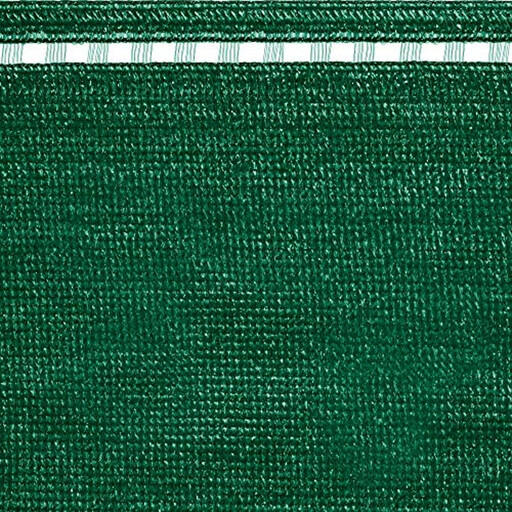
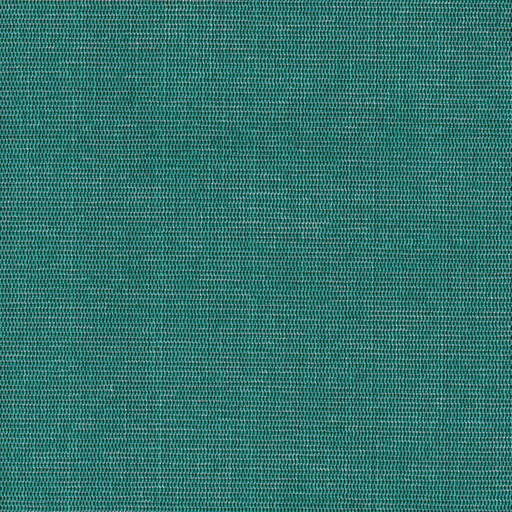
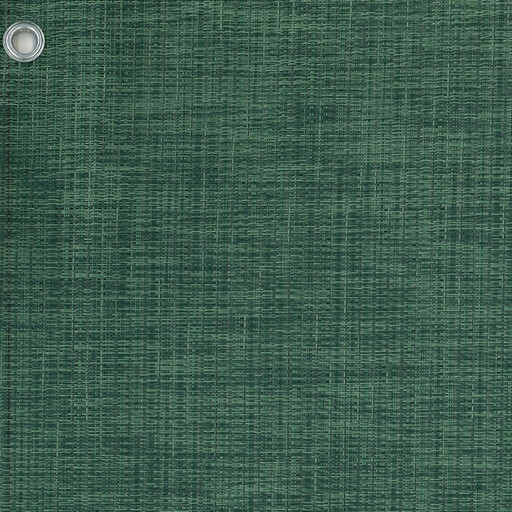
Don't see a model that perfectly matches your dimensions or taste? No problem, many other solutions are available. With various heights, lengths, and colours, you're sure to find the privacy screen that fits your project.
? Discover our full range of privacy screens and screening nets
Installing a privacy screen on a fence is a straightforward task for anyone. Unroll the fabric along the support (wire mesh, rigid panels, etc.). First, secure the top edge every 30 to 50 cm through the eyelets, using zip ties, staples, or wire. Then, pull the fabric taut before securing the bottom edge in the same manner. Proper tension is key to preventing the screen from billowing like a sail in the wind.
High-density polyethylene (HDPE) and Textilene (PVC-coated polyester) are the two champions of durability. Woven or knitted HDPE ensures excellent longevity and good colour retention. Textilene, which is significantly heavier, stands out for its exceptional resistance to tearing and wind. It all depends on your priority: maximum screening (high-grammage HDPE) or uncompromising robustness (Textilene).
Maintaining a synthetic privacy screen fabric is incredibly simple. Most of the time, a quick spray with a garden hose is enough to remove dust and dirt. For stubborn stains, a soft brush and soapy water (using a mild soap, for example) will do the trick, followed by a thorough rinse. One piece of advice: avoid harsh detergents and pressure washers, as they could damage the fabric's surface treatment.