
Livraison le jour même ou le lendemain

Qualité garantie

Débloquez vos offres de bienvenue: Livraison GRATUITE | Jusqu'à -80 % | 30 jours d'essai gratuits à JoyPlus
Téléchargez l'application
Being able to enjoy your garden or balcony away from prying eyes is a simple but essential luxury. However, choosing the right garden privacy screen can often feel like an obstacle course. Between promises of wind resistance and varying levels of opacity, it's easy to buy a model that tears at the first gust of wind or fades after the first summer. To avoid regretting your investment, here’s how to sidestep the most common pitfalls.
As a Product Specialist at Joybuy, my role is to help you navigate the jungle of options. Let's review the mistakes to avoid and the criteria that truly matter for making the right choice.
An attractive price can hide flaws that will cost you much more in the long run. Here are the three most common pitfalls :
To avoid these pitfalls, focus on three key technical points. They are the true guarantee of your installation's quality and longevity.
Density measures the material's weight, expressed in grams per square metre (GSM). It's the most reliable indicator of the fabric's thickness and strength.
The choice of material directly impacts aesthetics, durability, and budget.
A screening fabric with eyelets is essential for a simple and durable installation. Check two points :
Rather than looking for a one-size-fits-all product, it's better to find the one that perfectly matches your situation. Here are a few scenarios and their suitable solutions.
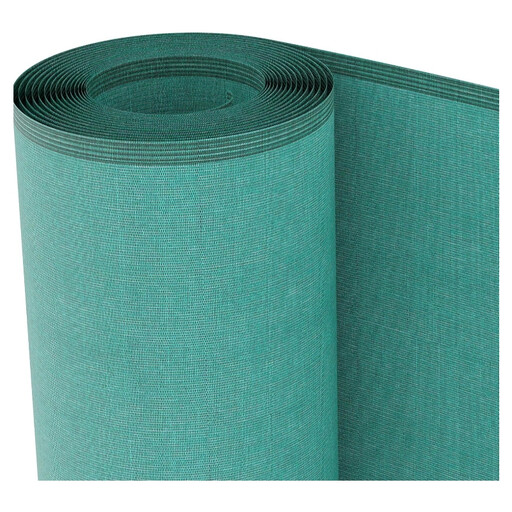
Why we chose it : Ideal for renters or a first-time setup, this 10-metre roll offers an excellent balance of budget and functionality. Its 90% opacity rating preserves privacy without creating excessive wind load, making it suitable for many types of fences.
It's made from UV-treated polyethylene with reinforced edges, protecting it from rapid degradation and tearing, unlike untreated budget options.
A very attractive length-to-price ratio for a durable and easy-to-install solution.
Why we chose it : For homeowners seeking a long-lasting solution and complete blockout. Its very tight weave and high density make it a top choice for strength and longevity. The 50-metre format is perfect for large perimeters.
Its ultra-robust design is the ideal countermeasure to the pitfall of screens that degrade in the wind. However, its total blockout is best reserved for the sturdiest supports.
Maximum durability and opacity thanks to a high-density HDPE weave and pre-installed eyelets.
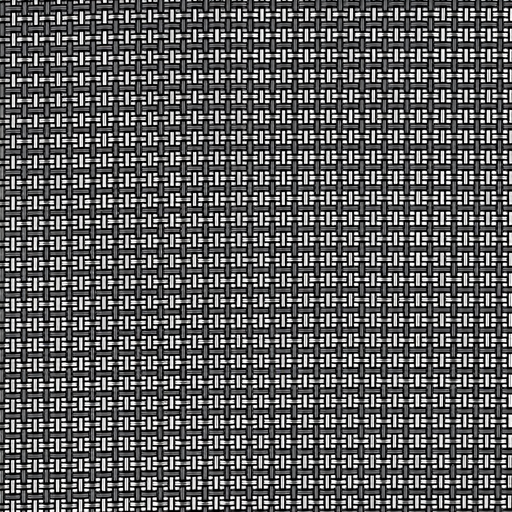
Why we chose it : When the privacy screen becomes a decorative element in its own right. The Textilene material and its two-tone finish bring a contemporary touch to a balcony or terrace, a far cry from the look of a simple screening net.
It shatters the cliché of the cheap, "plastic" privacy screen. Most importantly, its PVC and polyester composition is designed not to fray when cut—a deal-breaking flaw in poor-quality woven fabrics.
A designer finish and high tear resistance (700 g/m² density) with rust-proof eyelets.
We have put together a complete selection of products that meet our standards for quality and durability.
The lifespan primarily depends on the material, its density (GSM), and its UV treatment. A good quality HDPE model (over 220 g/m²) with effective UV treatment can last between 5 and 10 years. Denser Textilene models often have an even longer lifespan. The sun and wind exposure in your region also plays a significant role.
The strength of the installation is as important as the quality of the privacy screen itself. Use all available eyelets to distribute the load. Fasten it to a rigid and stable support like a welded panel fence, a wall, or a solid balustrade. Use quality fasteners (UV-treated zip ties, coated wire, or tensioners) and ensure the fabric is taut to limit flapping in the wind.
Not necessarily. A total blockout screen offers maximum privacy, but it also creates a very significant wind load (the "sail" effect). If your support structure (fence, wire mesh) is not extremely sturdy, it could fail. A model with 85% to 95% opacity is often a safer compromise: it preserves privacy very well while allowing some air to pass through, which considerably reduces the pressure on the structure.