
Livraison le jour même ou le lendemain

Qualité garantie

Débloquez vos offres de bienvenue: Livraison GRATUITE | Jusqu'à -80 % | 30 jours d'essai gratuits à JoyPlus
Téléchargez l'application
Choosing the wrong container can quickly make plant care more difficult. If it is too small, root development will be restricted. Without effective drainage, a planter can retain excess water. Plastic that is not suited to outdoor conditions may fade or become brittle. Whether it is on a balcony, patio or in the garden, appearance is therefore not everything.
When buying garden pots and planters, shoppers often fall into three traps:
Start by measuring the intended location: the width of a windowsill, the depth of a balcony or the available space on a patio. A rectangular planter measuring 50 cm will generally be easier to position along a railing or border than a large round pot.
For a single plant, a square pot or round pot makes it easier to distribute the potting compost evenly. A tall pot creates real visual impact and works well in vertical arrangements, provided it is placed on a stable surface. For a shrub, generous floral arrangement or young fruit tree, choose a large flower pot with enough capacity to allow the roots to develop properly.
Also consider the final weight. Add together the weight of the container, damp potting compost, water and plant. On a balcony, check the rules of your building management company and, if in doubt, ask a building professional to confirm the permitted load.
A flower pot must be able to drain away excess water. Without a hole or suitable system, the roots may sit in waterlogged compost. Before repotting, check the following:
A water-retention area can be useful during a short absence or for plants that prefer consistent moisture. However, it is not suitable for every species. Mediterranean plants and some cacti, in particular, prefer very free-draining compost.
A plastic flower pot is lightweight and easy to move. For outdoor use, look for precise information about its resistance to UV rays and frost. A frost- and UV-resistant pot can stay outside for longer, but water freezing in the potting compost can still put considerable pressure on its sides. Drainage must therefore remain completely clear, while taking the plant’s winter requirements into account.
Recycled and recyclable polypropylene is an interesting option for gardeners who want to limit the use of virgin materials. However, check the manufacturer’s exact wording: “recyclable” means that the product can be recycled, not necessarily that it is already made from recycled materials.
For seedlings, a biodegradable seedling pot allows you to plant the young plant in the ground with its container, where the manufacturer’s recommendations and the condition of the roots make this suitable. The rate of decomposition varies according to moisture, soil and local conditions. If buying locally is important to you, look for the wording flower pot made in France or an origin certification on the product page. This information should not, however, be confused with an indicator of horticultural performance.
The models below meet very different needs: a small container for a balcony, a large plant arrangement, regular planting or seedlings ready to be transplanted.
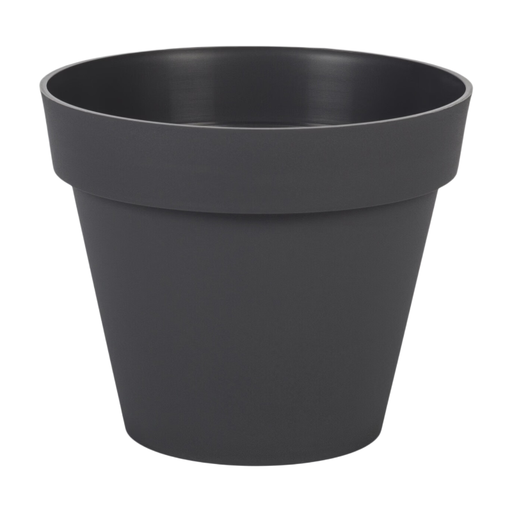
Why this choice suits this profile : with a diameter of 20 cm and a capacity of 3 litres, this pot is suitable for small plants, herbs and first planting projects on a balcony or windowsill.
The dimensions are clearly stated and a water-retention area is integrated. You are therefore not choosing this container based on appearance alone.
Matt finish, stated indoor and outdoor use, material declared to be 100 % recyclable and made in France.
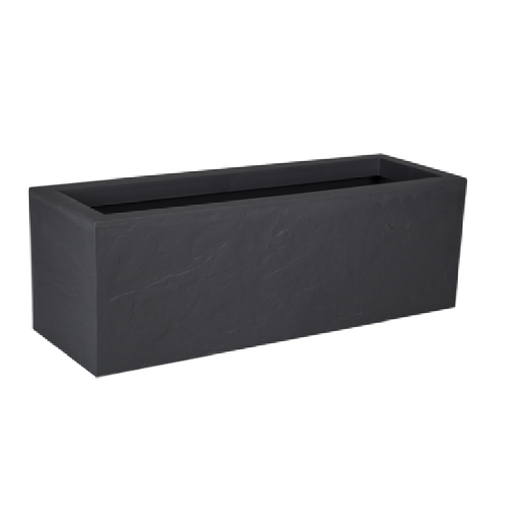
Why this choice suits this profile : its 99.5 × 39.5 × 43.5 cm format is designed for patios where a large plant arrangement also helps to define the space.
The 98-litre capacity and double wall are clearly specified. This makes it easier to compare with containers whose genuinely usable capacity is unclear.
Double wall, water-retention area, stated protection against UV rays and frost, stone-effect finish and Origine France Garantie certification.
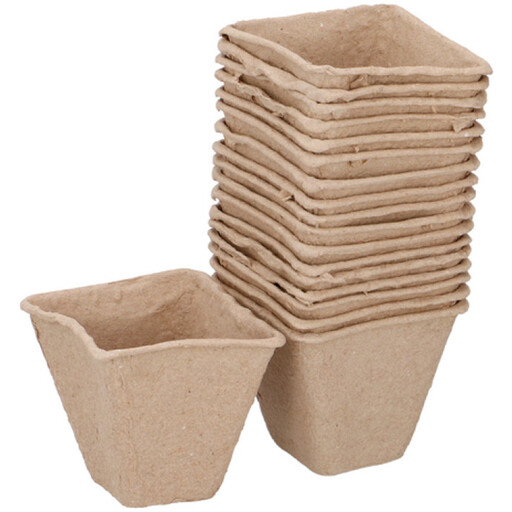
Why this choice suits this profile : this set is aimed at gardeners who start flowers, vegetables or herbs before planting them in the ground or in an outdoor planter.
The set of 18 pieces is clearly stated. The pot can be planted in the ground with the young plant, provided the conditions are suitable for its decomposition.
Format designed for seedlings, fibres made from recycled plant-based materials according to the product information, and transplantation without removing the container.
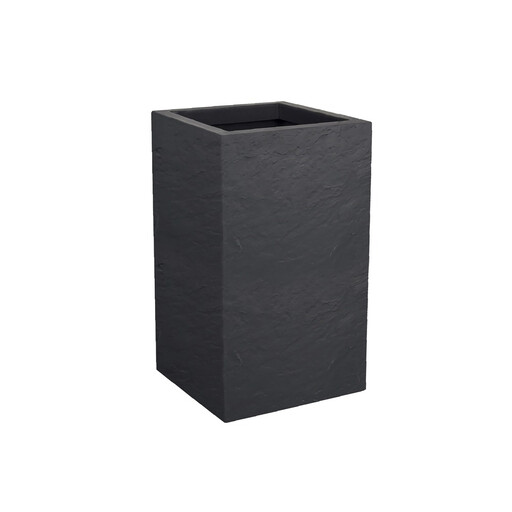
Why this choice suits this profile : its 29.5 × 29.5 × 49.5 cm shape fits easily in an entrance hall, a patio corner or a small space that would benefit from extra height.
The 36-litre capacity, water-retention area and pre-drilled holes are specified. This makes it easier to compare with a simple decorative cachepot.
Tall square format, anthracite colour, stated protection against UV rays and frost, material declared to be 100 % recyclable and made in France.
We have brought together a complete, real-time updated selection of products that meet these exacting criteria, as well as European safety requirements.
When the container is likely to become heavy, place it in its final position before filling it. Then add a growing medium suited to the plant, taking care not to block the drainage holes. Indoors, use a saucer or watertight tray.
For cleaning, a soft cloth and soapy water are all you need. Avoid abrasive products, which can dull a matt finish or damage a stone-effect surface. In winter, monitor the moisture in the potting compost and remove any standing water. Even a model described as frost-resistant must have completely clear drainage.
Start by measuring the available depth and making sure the support is stable. A shallow rectangular planter is suitable for seasonal flowers and herbs. A larger model is preferable for shrubs and arrangements intended to stay in place. Remember to factor in the weight of damp potting compost before installation.
No. It can extend the time between some waterings, but the frequency always depends on the plant, temperature, exposure and wind. Check the moisture of the growing medium regularly and empty or clean the water-retention area when necessary.
It all depends on the material, its thickness, exposure to UV rays, temperature fluctuations and how often it is moved. Information about UV and frost resistance provides an initial guide, but you should also avoid impacts, water freezing in the potting compost and repeated movement across abrasive surfaces.