
Livraison le jour même ou le lendemain

Qualité garantie

Débloquez vos offres de bienvenue: Livraison GRATUITE | Jusqu'à -80 % | 30 jours d'essai gratuits à JoyPlus
Téléchargez l'application
An outdoor garden chair needs to withstand al fresco dining, moments of relaxation and the whims of the weather, all while remaining easy to move and maintain. Yet some purchases quickly turn into disappointment: an uncomfortable seat, a frame that warps, fabric that won't dry, or a model that's too bulky to store.
Before comparing a patio chair, a garden armchair or an outdoor lounger, take the time to identify the features that really matter.
A material marketed as suitable for outdoor use can't necessarily stay outside all year round without protection. Sun, rain, frost and salt spray put surfaces and mechanisms under severe strain.
To make your furniture last, check the manufacturer's recommendations: cleaning, winter storage, using a cover and protection against damp. A garden recliner with a moving mechanism will require more attention than a simple resin chair.
A wide seat or a reclining backrest isn't enough to guarantee safe use. The maximum weight capacity must be clearly stated and suitable for the user. Also check the chair's stability on the ground of your garden, balcony or patio.
Swivel or rocking models must be placed on a flat surface. Their moving parts can also pinch fingers or catch on clothing.
An outdoor chair may look compact in a photo, then take up much more space once unfolded or reclined. Measure the available area, allowing for the clearance needed for armrests, the backrest angle and movement around the seat.
On a small balcony, a folding garden chair makes storage much simpler. On a large patio, a more enveloping armchair will offer greater comfort, provided you have storage space or a suitable cover.
The term weather-resistant outdoor chair should therefore be taken with a pinch of salt: check the cleaning instructions, exposure limits and storage conditions.
Compare the seat height, useful width and depth. A low seat is better suited to relaxation, while a height close to that of a table makes dining easier. Also remember to check whether the armrests can fit under the table if you plan to store the chairs after use.
A more enveloping garden armchair will be better for reading or resting. For dining, a straighter, shallower patio chair will generally be more practical.
Wheels, 360° rotation and reclining offer greater flexibility, but also add elements to check. Before each use, inspect the tightness of the fixings and make sure the mechanism operates smoothly.
For a swivel garden chair or an outdoor rocking armchair, a flat, stable surface is essential. For seasonal storage, folding is often the simplest solution.
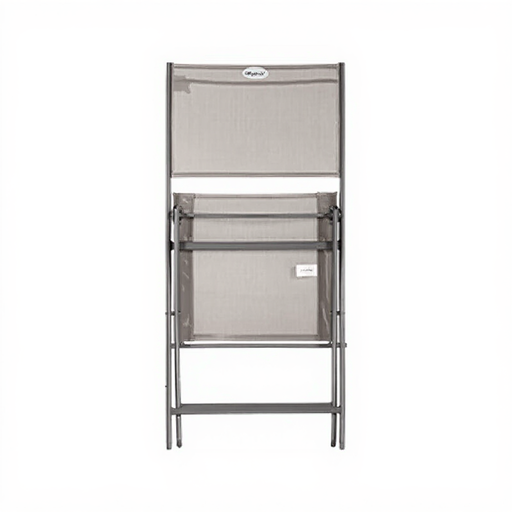
Why this choice suits this profile: Its folding design is ideal for small spaces, balconies, camping or for those who want to store their furniture after each use.
Folding reduces the storage footprint. However, make sure the chair is fully open and locked before sitting down.
Epoxy-coated steel frame, seat and backrest in PVC-coated polyester, stated weight of 3.4 kg and dimensions of 46 × 52 × 87 cm.
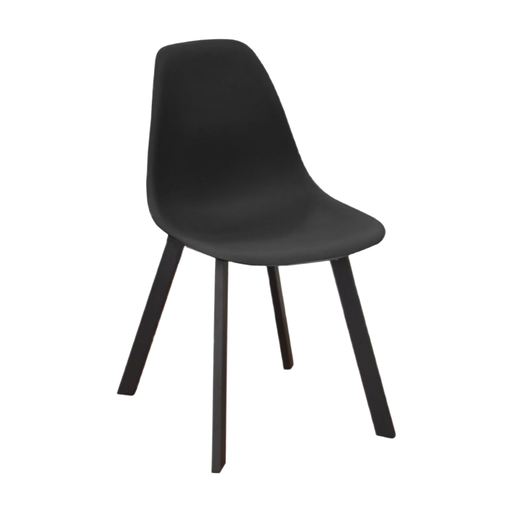
Why this choice suits this profile: This resin chair combines a contemporary silhouette with a generous seat, creating a harmonious, easy-to-maintain patio.
The shell can be cleaned with a sponge and soapy water. The manufacturer also mentions an aluminium base with epoxy coating and a maximum weight capacity of 120 kg.
Stated seat width of 51 cm, weight of 4 kg and a two-year warranty indicated on the product page.
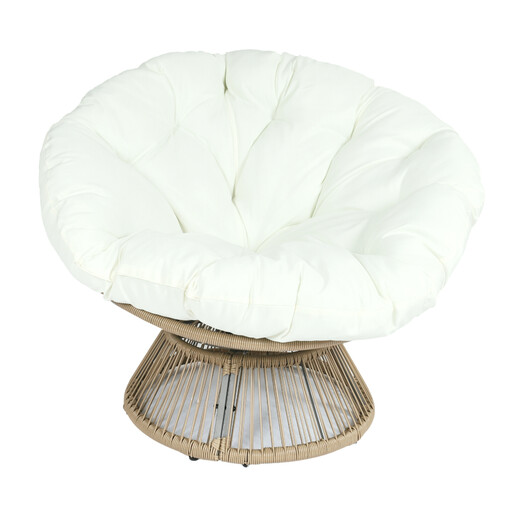
Why this choice suits this profile: Its cushioned seat and 360° rotation make it perfect for a patio where you want to move easily from dining to chatting, then to relaxing.
The product page recommends use on a flat, stable surface, states a maximum weight capacity of 110 kg and advises storing it away from rain and during winter.
Dimensions of 96 × 86 × 77 cm, seat height of 33 cm, cushioning and 360° rotation.
We've put together a comprehensive, real-time updated selection of products that meet these demanding criteria, as well as European safety standards.
Go for a lightweight folding garden chair with dimensions that allow you to move around easily. Also measure the space it takes up once unfolded. After use, a folding model can be hung up or stored in a cupboard.
It all depends on the material, how often it's used and the level of exposure. Clean the surfaces regularly, tighten the fixings and store the furniture away during periods of frost or persistent rain. A breathable cover can help limit moisture build-up, but it doesn't replace the need to let the furniture dry out.
For dining, a straight-backed chair at the right height for the table will be more functional. For reading or relaxing, a garden armchair with armrests, a reclining backrest or a swivel seat offers more possibilities. The right choice really depends on the intended use, the space available and your storage constraints.