
Livraison le jour même ou le lendemain

Qualité garantie

Débloquez vos offres de bienvenue: Livraison GRATUITE | Jusqu'à -80 % | 30 jours d'essai gratuits à JoyPlus
Téléchargez l'application
Birds can devastate strawberries, cherries, grapes, tomatoes and young seedlings in just a few days. Garden bird netting provides an effective physical barrier, provided you choose the right mesh size and install it correctly. Sizes range from small sheets for a few plants to large rolls designed for orchards, vineyards or horticultural growing areas.
Before placing your order, however, there are a few details worth considering. An appealing product description does not always guarantee that the model will be genuinely suitable for your vegetable garden or orchard.
Hail netting is primarily designed to cushion the impact of hailstones. It can also provide additional protection against birds, but its structure, mesh and level of coverage may not be the same as those of bird netting intended for vegetable gardens.
To protect strawberry plants, soft fruit or seedlings, start by checking the main stated function. Defender models, for example, are presented as hail netting, while also being suitable for covering crops, fruit and vegetables.
A width of 2 metres may seem sufficient on paper. In practice, it can quickly prove limiting when you need to cover a large shrub or install the netting over a structure. Always allow extra room for the sides, height and ground fixing.
Netting that is too short leaves gaps through which birds can get in. Conversely, an oversized roll is an unnecessary expense for a small area. Measure the area to be covered before comparing the available options.
Very fine, lightweight netting may tear at the first snag on a branch. Conversely, a model that is too rigid or difficult to cut will make installation around fruit trees more complicated. For prolonged outdoor use, also check whether it has UV stabilisation.
Green generally blends well into vegetation, but it does not remove the need for careful fixing. Whichever model you choose, the edges must be held securely to limit intrusions and reduce the risk of wildlife becoming caught.
The mesh should form a sufficiently consistent barrier for its intended use. The Ortoflex nets featured here have, depending on the format, a square mesh of 10 × 10 mm or 10 × 12 mm. These openings are suitable for protecting many fruits, vegetables, seeds and plants from birds.
The Defender 2 × 5 m has a 7 × 8 mm mesh and a knotted construction made from high-density polyethylene. This design is primarily intended to protect against hail, while also helping to cover crops and fruit.
Polypropylene, used for several Ortoflex garden nets, is lightweight and easy to handle. UV-stabilised fibres are designed to retain their properties during normal outdoor exposure. This does not make the netting indestructible : friction, wind, branches and storage in a damp place can all shorten its lifespan.
The Defender 2 × 5 m is made from high-density polyethylene, with a knotted mesh advertised as tear-resistant. If you are looking for agricultural bird netting for a heavily used installation, compare the material, construction and weight carefully.
For a few rows of vegetables or a small bed, a 2 × 5 m format may be sufficient. For a fruit tree, a large vine or several growing beds, the 4 × 10 m, 5 × 8 m or larger formats provide valuable extra room.
The netting can be installed over hoops, stakes or a frame, or placed directly over foliage if it is sufficiently flexible. In all cases :
Why this product suits this profile : Its size is ideal for small vegetable gardens, strawberry plants and low-growing shrubs, without requiring you to store a bulky large roll.
The dimensions are clearly stated, and the 10 × 10 mm mesh makes it easy to check whether it is suitable for the crops you want to protect.
UV-stabilised polypropylene; lightweight, cuttable netting that allows air, water and light to pass through.
Why this product suits this profile : This extra-long roll is designed for owners of orchards, vineyards or large plots who want to protect several areas.
The 4 m width and 250 m length are clearly specified, making it easier to calculate the required coverage before ordering.
10 × 12 mm square mesh, UV-stabilised polypropylene, allowing water, air and light to pass through.
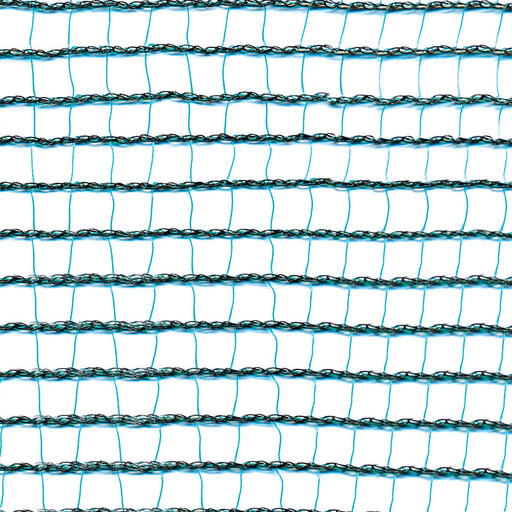
Why this product suits this profile : It is aimed at anyone looking for versatile protection for crops, fruit and vegetables, with a function specifically designed to protect against hail.
Its anti-hail function is explicitly stated : this means you avoid choosing simple bird netting for an area exposed to severe weather.
HDPE, 7 × 8 mm knotted mesh, UV stabilisation and installation suitable for hoops, tunnels or frames.
We have put together a complete, real-time updated selection of products that meet these demanding criteria and European safety standards.
To protect fruit trees, install a structure made from stakes or hoops where possible, so that the mesh does not rest directly on the fruit. For low-growing crops, leave some space around the plants and secure the edges to the ground.
Avoid leaving open gaps beneath the netting. Even tension helps prevent pockets from forming and reduces the risk of snagging. Fixing accessories are not always included : check this in the product description and, if necessary, have clips, ties or stakes ready.
After harvesting, remove leaves and debris, rinse the netting with water if necessary, then allow it to dry completely. Check for any tears before folding or rolling it up. Storing it away from moisture and direct sunlight will make it easier to reuse.
A square mesh of around 10 mm is suitable for many fruit and vegetable crops. However, the right choice depends on the birds in your area, the plants to be covered and whether you also need protection against hail or certain insects.
Yes. Flexible models such as Ortoflex can be draped over plants or installed on a support. However, avoid compressing the stems and make sure the edges remain securely closed. For large trees and shrubs, a raised structure makes it easier for the plants to grow and for you to maintain them.
Its lifespan depends on exposure to sunlight, wind, friction and storage conditions. UV stabilisation helps preserve the material’s properties, but regular inspection is still essential. Repair or replace the netting as soon as a tear compromises its protective function or creates a risk of snagging.