
Livraison le jour même ou le lendemain

Qualité garantie

Débloquez vos offres de bienvenue: Livraison GRATUITE | Jusqu'à -80 % | 30 jours d'essai gratuits à JoyPlus
Téléchargez l'application
Whether you're turning a chaotic garage into a functional workshop or making your balcony a small peaceful retreat, the right setup makes all the difference. The catch? The market is flooded with products making tempting promises that don't always stand the test of time. A shelf that buckles under the weight of your tools, garden furniture that fades after a single summer... Fortunately, these disappointments aren't inevitable.
As a Product Expert at Joybuy, my role is to help you cut through the noise. Instead of marketing jargon, let's focus on the concrete criteria that truly make a difference. Here’s how to avoid common pitfalls and choose equipment that meets your actual needs.
Before you pull out your credit card, it's essential to know how to spot a deal that's too good to be true.
A successful setup comes down to a few essential technical features.
Organising these spaces relies on two pillars: sturdiness and flexibility.
For a balcony, terrace, or garden, durability against the elements is the crucial factor.
Here are a few options that meet these selection criteria, tailored for different user profiles.
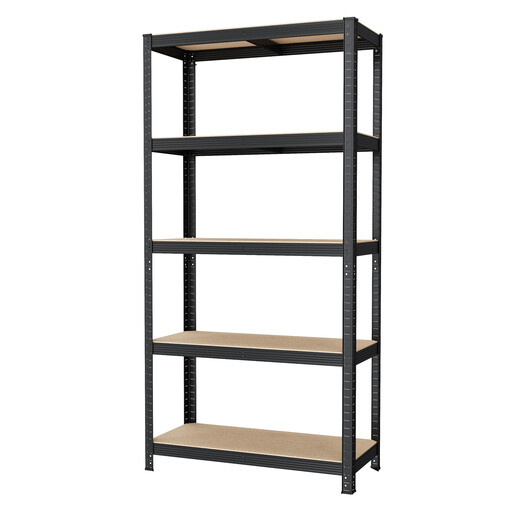
Why this choice? Ideal for storing heavy and bulky equipment. Its high load capacity and steel construction make it a reliable solution for a garage or workshop that sees heavy use.
The 175 kg per-shelf capacity is clearly specified, avoiding the trap of an overstated total load. The steel frame and included anti-tip kit check all the boxes for durability and safety.
Its high load capacity and modularity (can be converted into two workbenches) allow you to create a custom workspace.
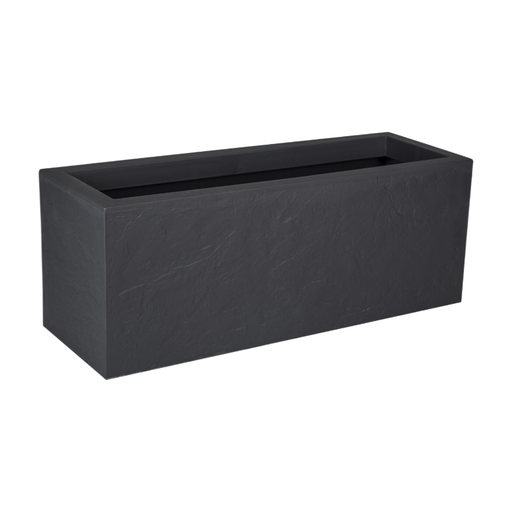
Why this choice? Designed specifically for small spaces, this planter makes it easy to add greenery to a balcony. Its smart features simplify plant care in an urban environment.
Much more than a simple plastic container. Its double-wall design and water-retention zone directly address the problems of root overheating and constant watering—common pitfalls of entry-level planters.
The integrated water-retention zone reduces watering frequency, a major plus for keeping plants healthy on a sunny balcony without constant effort.
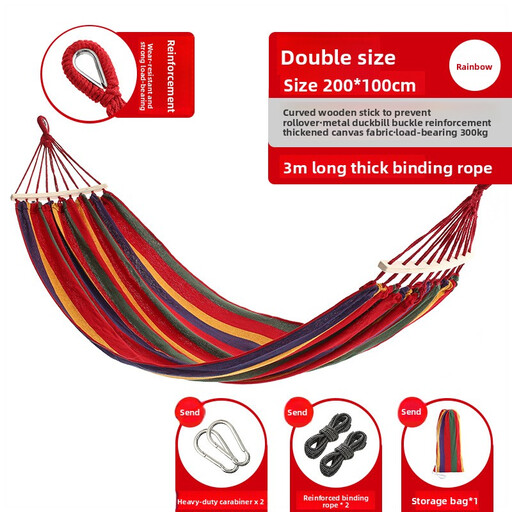
Why this choice? For those who want to create a relaxation spot in their garden or take it on holiday. This model combines comfort, safety, and portability.
It tackles the instability of traditional hammocks with its spreader bars, which maintain balance. The metal-reinforced knots prevent premature wear, a common flaw in entry-level models.
Its anti-rollover design offers enhanced stability, making it more accessible and safer for the whole family. It comes with a bag for easy transport.
If you already have the hammock, you might be missing the right stand. We've selected products that meet strict criteria for stability and durability.
Its longevity depends on two main factors: the quality of the material and the environment. A model made of powder-coated or galvanised steel will resist corrosion much better in a damp cellar or garage and can last for over ten years. Simple maintenance, like checking that fittings are tight and avoiding overloads, will also extend its lifespan.
Most quality shelving units come with an anti-tip kit. This consists of one or two straps or brackets that you attach between the top of the shelf and the wall. Installation is simple: just drill a hole, insert a wall anchor suitable for your wall type (plasterboard, brick, concrete), and screw the device in place. This step is crucial to prevent any risk of tipping, especially if you store heavy objects up high.
It all depends on your preference. A hammock with bars offers a flatter, more open lying surface, which makes it easier to get in and out and reduces the feeling of being "cocooned." It is often perceived as more stable. A traditional hammock without bars creates a very enveloping "cocoon" effect, which many people find more relaxing. So, it's a choice between openness and stability on one hand, and a cocoon-like feel on the other.