
Livraison le jour même ou le lendemain

Qualité garantie

Débloquez vos offres de bienvenue: Livraison GRATUITE | Jusqu'à -80 % | 30 jours d'essai gratuits à JoyPlus
Téléchargez l'application
A gaming setup worthy of the name is about more than just raw processor power or screen responsiveness. The ambient lighting is the finishing touch—the element that plays a fundamental role in the immersion and personalisation of your gaming space. A well-chosen gaming light transforms a simple bedroom or office into a true battle station. But here's the catch: the market is saturated with options, and it's easy to fall into common traps. As the Head of Product Recommendations at Joybuy, my role is to guide you through this dazzling maze and shed some light on the subject.
Before you dive in, watch out for these two frequent mistakes that can ruin your experience:
To avoid buyer's remorse, focus on a few technical specifications that make all the difference. They determine the day-to-day usability and durability of your illuminated gaming accessory.
The power source of your light dictates its placement and use. There are three main options:
A good gaming light should be able to adapt to your mood and activity. The possibilities vary enormously from one model to another:
The choice of format depends on the effect you're looking for and the space you have available:
To help you make the right choice, here are a few products that meet specific needs while avoiding the pitfalls we've just discussed.
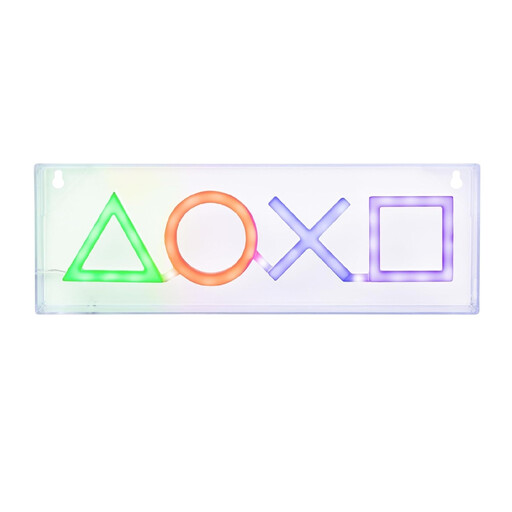
Why we chose it: For the die-hard PlayStation fan who wants to show off their passion with a stylish and recognisable object. This wall neon is a strong decorative piece that fits perfectly into a modern setup, above a monitor or on a shelf.
As an officially licensed Paladone product, the build quality and design fidelity are guaranteed. The USB power makes it easy to plug in without needing a dedicated mains outlet.
Versatile installation (wall-mounted or freestanding) and a modern neon look that stands out from more traditional plastic lamps.
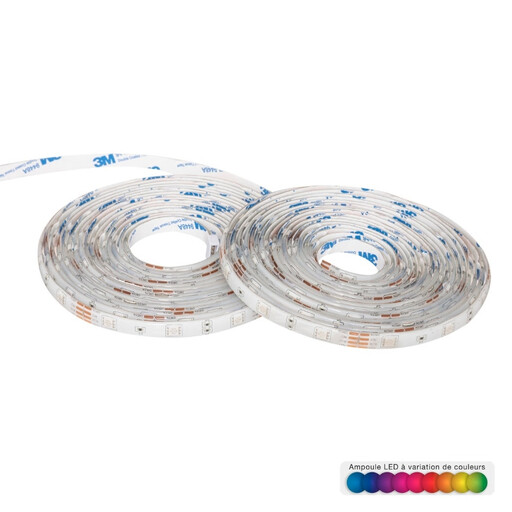
Why we chose it: For those who want comprehensive and easy-to-install ambient lighting. With its 10-metre length, this strip can outfit a large desk, a headboard, or even the perimeter of a small room for total immersion.
It bypasses the pitfall of limited battery or USB solutions thanks to its mains power, which ensures a stable and consistent light output. Its long length means you don't have to buy and connect multiple low-end kits.
An excellent length-to-price ratio. Its 300 LEDs and the included infrared remote allow for simple and immediate customisation of the atmosphere.

Why we chose it: For the gamer who wants their lighting to be part of the action. The music-reactive mode transforms in-game explosions or the beat of a playlist into a true light show, amplifying the immersion.
This is not just a static decorative object. The music reactivity feature offers a real interactive value-add. Its dual power (USB or batteries) gives it a placement flexibility that many other lamps lack.
The 3 lighting modes (standard, colour phasing, music reactive) and its XL size (32 cm) make it a versatile and impressive accessory.
We have curated a complete, up-to-date list of products that meet our strict selection criteria and current safety standards.
What is the lifespan of an LED gaming light? The vast majority of gaming lights use LED technology, which is renowned for its longevity. On average, a good quality LED has a lifespan of between 20,000 and 50,000 hours. For 8 hours of use per day, this represents between 6 and 17 years. The actual lifespan depends primarily on the quality of the components and the lamp's thermal management.
Can an RGB LED strip damage my monitor or TV? No, provided it is installed correctly. Modern LED strips generate very little heat and pose no risk to the electronic components of your screens. Just make sure to stick the strip to the plastic frame of the screen and not directly on the panel or near ventilation grilles, so as not to obstruct the device's heat dissipation.
How do I sync my gaming light with music? Two main technologies coexist. The most common, found on products like the PlayStation Icons XL light, uses a built-in microphone that captures ambient sounds to make the light react. It's simple and compatible with any audio source. More sophisticated systems, like those from the brand Yeelight, use software on a PC or a mobile app to analyse the audio signal directly, offering more precise and customisable synchronisation.