
Livraison le jour même ou le lendemain

Qualité garantie

Débloquez vos offres de bienvenue: Livraison GRATUITE | Jusqu'à -80 % | 30 jours d'essai gratuits à JoyPlus
Téléchargez l'application
A truly great gaming setup is no longer just about raw processor power or screen responsiveness. Visual atmosphere has become a cornerstone of immersion—the finishing touch that personalises your gaming space. Because let's face it: bare walls and a dim ceiling light can really kill the vibe. This is precisely where gaming LED wall panels come in, capable of transforming an ordinary room into a true dynamic cockpit.
But with an exploding market, it's hard to navigate the options. Shapes, connectivity, features... the choices are endless. Our mission? To guide you through this dazzling array of options to help you make the right choice, one that fits your desires and your budget. Follow our guide to uncover the gems and create the gamer room decor that truly reflects you.
Before you pull the trigger, a few essential criteria should be weighed to ensure your future installation delivers both visual impact and ease of use.
The main advantage of these lights is their modularity. Most kits work like a set of building blocks: you assemble the modular wall lights to match your creative vision.
A simple static light? That's a thing of the past. The modern gaming experience demands interactivity.
To help you see things more clearly, here are three products that cater to very different needs, from an all-in-one RGB kit to a more subtle decorative touch.
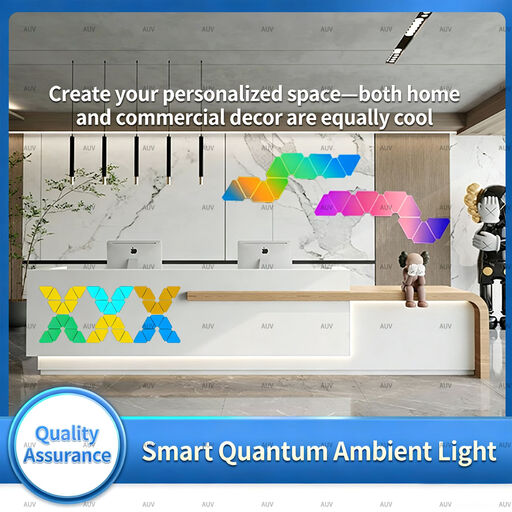
Why It Stands Out
This kit is the quintessential LED wall panel for gamers. Its key strength? Advanced connectivity and features that radically transform a room's atmosphere.
Key Features
Who Is It For?
For gamers, streamers, and content creators who want a complete and uncompromising gaming LED wall panel experience. It's the go-to choice for anyone seeking maximum customisation, dynamic effects, and total visual immersion.
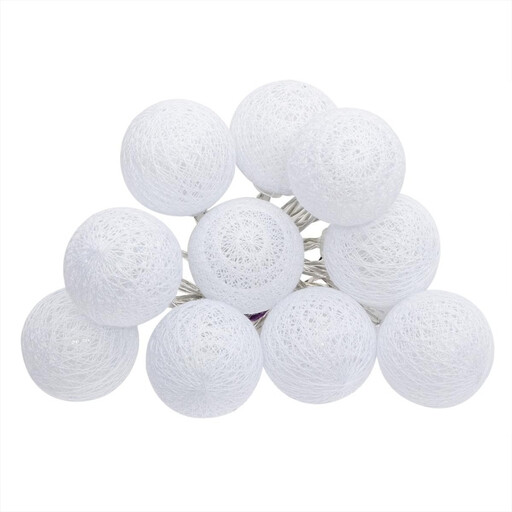
Why It Stands Out
This string light takes the opposite approach to ultra-technical RGB lighting. Here, the focus is on a softer, more decorative style. Its ten cotton balls diffuse a warm white light, perfect for a soothing atmosphere. The major benefit: its battery operation makes it portable and extremely versatile.
Key Features
Who Is It For?
For those looking for a subtle and warm touch of gamer room decor, without falling into the all-RGB cliché. It's perfect for complementing a setup with an accent light or for creating a chill-out corner away from the purely tech aesthetic of smart panels.

Why It Stands Out
This hanging lamp thinks outside the box with its original design. Its explosive "firework" shape, studded with 90 LEDs, creates a spectacular focal point. It's a true statement piece of design that adds a festive and modern touch.
Key Features
Who Is It For?
For those who prefer a single, spectacular lighting element over a full wall mural. An excellent choice for creating a party atmosphere, dressing up the background of a stream, or simply adding a designer piece that truly wows.
Your creativity doesn't stop there. If these three options don't perfectly match your vision, or if you're simply curious, know that other formats exist.
To explore alternative designs, such as decorative branch lights or other ambient solutions, take a look at our selection of battery-powered branch LED lights.
1. How do I sync LED panels with music? Most models with LED music sync use either a built-in microphone that picks up ambient sound or a connection via your smartphone's app. You just need to activate "Music" mode in the app. The microphone's sensitivity is often adjustable to match the volume.
2. What's the difference between RGB and RGBIC lighting? This is a crucial technical point. Standard RGB (Red, Green, Blue) lighting displays only one colour at a time across the entire panel. RGBIC (IC for Independent Control) lighting goes a step further: it includes a chip that controls each LED (or group of LEDs) independently. The result: you can display multiple colours simultaneously on a single panel, creating gradients, rainbow effects, and much smoother, more complex animations.
3. Is installing wall panels difficult? No, installation is generally a breeze. The panels are very lightweight and attach to the wall with included double-sided adhesive strips (no need to drill holes!). You then just connect them to each other with small linkers. The only real pro tip: lay out your design on the floor first before sticking it to the wall to avoid any unwanted surprises.