
Livraison le jour même ou le lendemain

Qualité garantie

Débloquez vos offres de bienvenue: Livraison GRATUITE | Jusqu'à -80 % | 30 jours d'essai gratuits à JoyPlus
Téléchargez l'application
Choosing a gaming laptop in 2026 can be a daunting task. Between new-generation graphics cards, the race for ultra-fast displays, and a jungle of configurations, it's easy to get lost. But don't worry! This guide is here to cut through the noise, help you see clearly, and find the perfect machine for your playstyle and budget—all without the marketing fluff.
Our mission: to decipher the spec sheets for you and present the configurations that are truly worth your attention. Let's break down the key components together before revealing our selection of the models that stand out from the crowd this year.
Before diving into our top picks, let's review the crucial points to ensure you make the right choice.
Let's not beat around the bush: the graphics card is THE component that dictates in-game performance. In 2026, the new generation of NVIDIA GeForce RTX 50 GPUs has established itself as the undisputed benchmark. Based on the Blackwell architecture, it promises a true leap forward in graphics rendering and artificial intelligence.
A powerful GPU is useless without a display that can keep up. Two criteria are paramount:
The processor and RAM work hand-in-hand with the graphics card. For a balanced configuration in 2026, aim for at least an Intel Core 5 / Ultra 5 processor (or its AMD equivalent), paired with 16?GB of DDR5 RAM. For streaming, content creation, or the most demanding games, 32?GB of RAM will provide comfortable headroom.
Here are three models that cater to different player profiles, from casual sessions to e-sports competition.
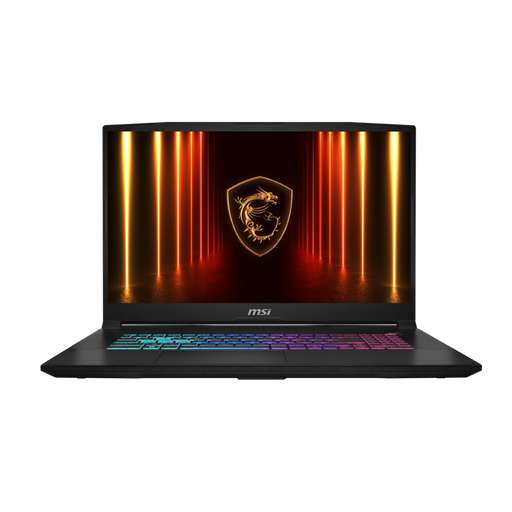
This MSI laptop is a machine built for gamers seeking total visual immersion without sacrificing smoothness. Its large screen and powerful specs make it an excellent ally for both gaming and multitasking.
Why it stands out: The combination of a large 17.3-inch QHD screen and a 240?Hz panel is a rare duo at this price point. Powered by an NVIDIA GeForce RTX 5060, it's ready for the most demanding games. MSI's Cooler Boost 5 cooling system is a major asset for maintaining stable performance over long sessions.
Pros:
Who is it for? For passionate gamers who prioritise the immersion of a large screen and the responsiveness of a high refresh rate. It's equally suited for fans of AAA single-player games and online competitors.
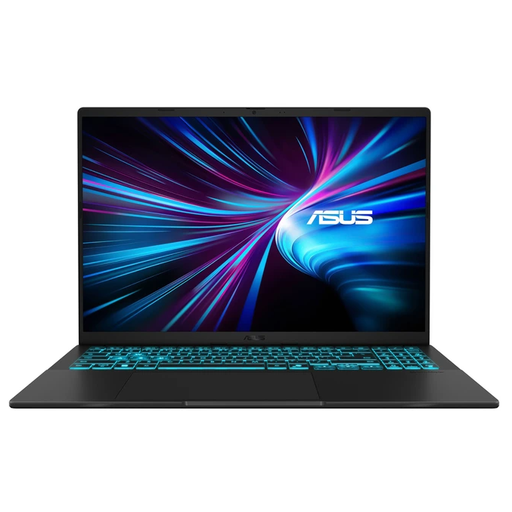
The ASUS V16 positions itself as an accessible and high-performance entry point into the world of RTX 50 gaming laptops. It packs a balanced spec sheet into a surprisingly thin and light chassis, making it particularly versatile.
Why it stands out: This model integrates an NVIDIA GeForce RTX 5050, allowing you to enjoy the latest graphics technologies on a more modest budget. Its 16-inch, 16:10 aspect ratio format and 144?Hz screen offer an excellent compromise between visual comfort and portability (1.95 kg).
Pros:
Who is it for? For casual gamers, students, or anyone looking for a versatile machine capable of running recent games in good conditions without necessarily aiming for "Ultra" graphics settings.
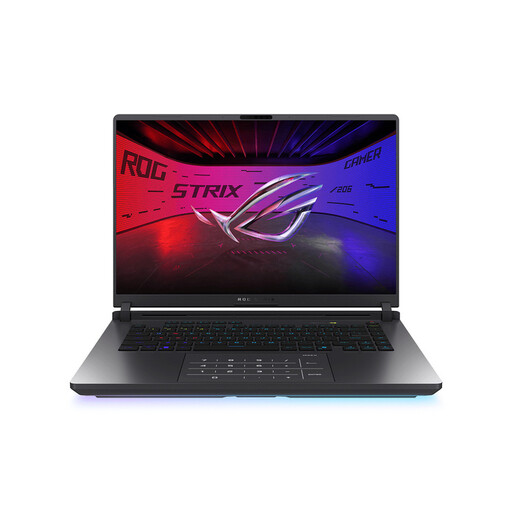
This ASUS ROG (Republic of Gamers) laptop is built for raw performance. It packs cutting-edge components aimed at the most demanding gamers, content creators, and e-sports competitors who accept no compromises.
Why it stands out: The combination of the Intel Core Ultra 9 275HX (24-core) processor and the NVIDIA GeForce RTX 5070 Ti (12?GB VRAM) graphics card makes it a true powerhouse. Its 16-inch WQXGA (2560x1600) 240?Hz display guarantees a visual experience that is both ultra-detailed and incredibly smooth.
Pros:
Who is it for? For competitive gamers, streamers, and creative professionals (video editing, 3D) who need maximum computing power in a portable format.
Our selection is just a taste of what the market has to offer in 2026. If these models don't exactly match what you're looking for, or if you want to explore other brands and configurations, feel free to browse our full catalogue.
? Discover all our gaming laptops
1. What is the recommended configuration for a gaming laptop in 2026? For a comfortable gaming experience on upcoming titles, a balanced configuration revolves around an NVIDIA GeForce RTX 5060 graphics card, an Intel Core 5/7 processor (or AMD equivalent), 16?GB of DDR5 RAM, and a display with at least a 144?Hz refresh rate.
2. Is a 240?Hz display really useful for gaming? A 240?Hz display makes a real difference in smoothness, especially in fast-paced games like FPS (Counter-Strike, Valorant) where every millisecond counts. For adventure or strategy games, a 144?Hz or 165?Hz display is already excellent. It all depends on your player profile and your favourite games.
3. MSI or ASUS ROG? Both brands are undisputed leaders in the gaming space. MSI is often recognised for its high-performance cooling systems and configurations focused on raw power, as seen in the Katana series. ASUS ROG stands out with its bold designs, premium features (displays, audio), and innovations aimed at the very high-end segment, such as the Strix lineup. Ultimately, the choice will depend on your priorities: pure performance, design, or specific features.