
Livraison le jour même ou le lendemain

Qualité garantie

Débloquez vos offres de bienvenue: Livraison GRATUITE | Jusqu'à -80 % | 30 jours d'essai gratuits à JoyPlus
Téléchargez l'application
Choosing a new gaming headset can quickly become an overwhelming experience. Between promises of "revolutionary immersive sound" and aggressive designs, it's easy to get lost and end up with a purchase you immediately regret. As a product expert at Joybuy, I'm here to help you see things more clearly. Let's break down the criteria that truly matter to ensure you make the right choice.
Here are the 3 most common traps to avoid:
To make the right choice, forget the marketing jargon and focus on these fundamental technical points. They are what guarantee your headset's performance and durability.
The secret to hassle-free compatibility? The connection type. Most headsets fall into two main categories:
A good headset with a mic is non-negotiable for online gaming. Two points to check first:
Comfort is paramount; never sacrifice it. Pay attention to these elements:
There's no point searching for a one-size-fits-all "perfect headset"—it doesn't exist. It's better to choose a model tailored to your primary use. Here are our recommendations for 2026.
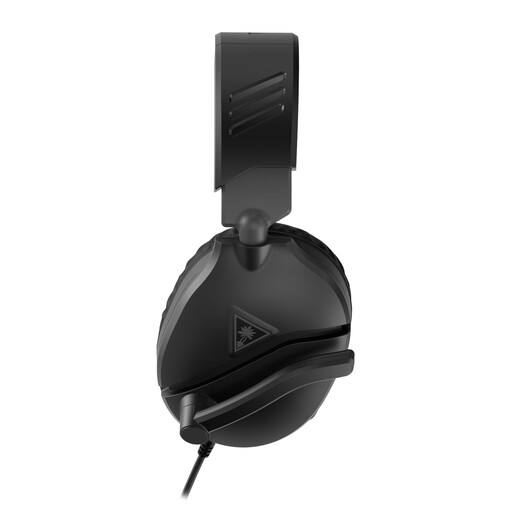
Why we chose it: This is the undisputed benchmark for anyone looking for a reliable yet budget-friendly gaming headset. Its 3.5mm jack guarantees near-universal compatibility (PS4, PS5, Xbox, Switch, PC, mobile). An excellent choice to get started without breaking the bank.
It sidesteps the compatibility trap with its universal 3.5mm jack. No promises of shaky virtual surround sound; it focuses on the essentials with clear and effective stereo audio.
The flip-to-mute mic is a real luxury at this price point. Its feather-light weight and leatherette earpads ensure perfectly adequate comfort for medium-length gaming sessions.
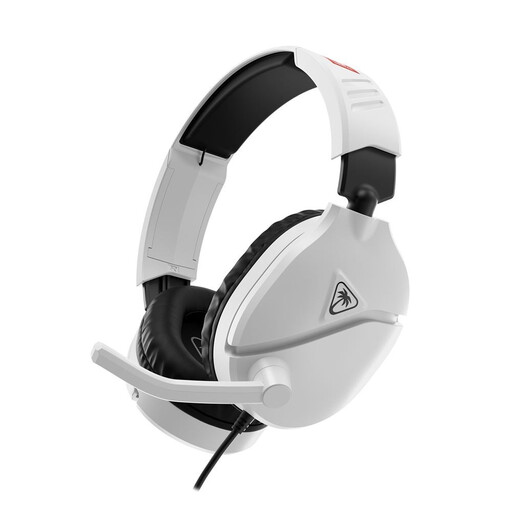
Why we chose it: Specially designed for the Nintendo ecosystem, this headset is a featherweight (232g), an undeniable asset for gaming on the go. The official Nintendo license is a guarantee of perfect compatibility and integration.
It removes any ambiguity about compatibility with the Switch. Its design is optimised for comfort on the move, thus avoiding the trap of a headset that is too heavy or bulky for a hybrid console.
Its light weight and official Nintendo certification make it a safe and comfortable choice for players who spend long hours on the Switch, Switch Lite, or Switch OLED.
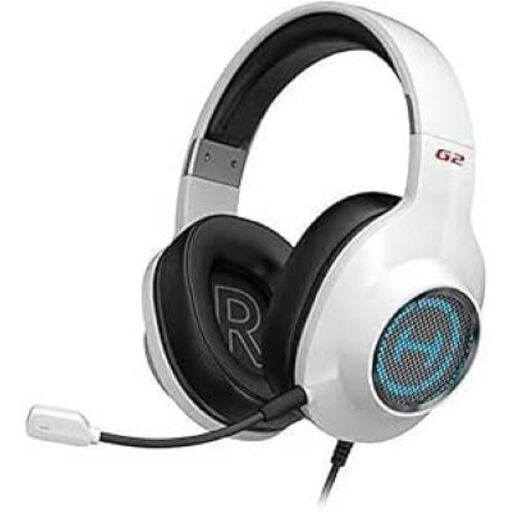
Why we chose it: This model is the archetype of a good PC headset. Its USB connection, dedicated to this ecosystem, comes with software to customise the experience, including the virtual 7.1 surround sound.
It doesn't just wave around the term "surround sound." It provides the tool (dedicated software) to fine-tune it. This avoids the empty marketing trap by offering a tangible, customisable feature for PC gamers.
Its 50mm drivers, supported by the software, lay a solid foundation for sound immersion. The detachable noise-cancelling mic and manageable weight (277g) are real bonuses for comfort.
We have put together a comprehensive and up-to-date selection of products that meet our demanding selection criteria.
It all depends on your priorities. A wired gaming headset guarantees a perfectly stable connection (zero latency, zero interference), never needs to be recharged, and is often more affordable for equivalent sound quality. Wireless offers absolute freedom of movement, but it means managing battery life and usually requires a higher budget.
For maximum, hassle-free compatibility, choose a headset with a 3.5mm jack. It will work natively with the PS5's DualSense controller. On a PC, if your tower has separate mic and audio jacks, a simple Y-splitter adapter, which is very often included, will do the trick.
Yes, but only if the technology is well-executed. Technologies like Windows Sonic (built into Windows and Xbox) or the PS5's 3D Audio already create very convincing sound spatialisation with any good stereo headset. A headset with its own virtual surround sound software (usually via USB on PC) can offer a more immersive and customisable experience. However, it's not an absolute guarantee of superiority over an excellent stereo performance.