
Livraison le jour même ou le lendemain

Qualité garantie

Débloquez vos offres de bienvenue: Livraison GRATUITE | Jusqu'à -80 % | 30 jours d'essai gratuits à JoyPlus
Téléchargez l'application
Choosing a gaming headset can quickly become a headache. Drowning in marketing promises of spatial audio and futuristic designs, we too often end up with a disappointing product?: a mic that picks up more keyboard noise than your voice, a headband that digs into your ears after an hour, or compatibility so limited it forces you to juggle devices.
Our mission as editors?? To help you see clearly and avoid marketing traps. Let's forget the technical jargon and focus on what's tangible?: the features that truly make a difference when you have a controller in hand.
To avoid buyer's remorse, here are the technical points to inspect closely. These are what will make the difference, far more than any marketing gimmicks.
The choice between a wired gaming headset and a wireless gaming headset depends on your gaming style and your tolerance for cables.
Don't settle for a vague "multi-platform" claim. Here's what to check for each system?:
In multiplayer, a quality mic is not optional. Your teammates will thank you. Prioritise unidirectional (or cardioid) mics, which focus on your voice and ignore the clatter of your keyboard. The "flip-to-mute" feature (raising the boom arm to mute) is a small quality-of-life improvement that makes a big difference.
When it comes to isolation, there are two schools of thought?:
To move from theory to practice, here are a few models that perfectly illustrate these criteria and meet specific needs.
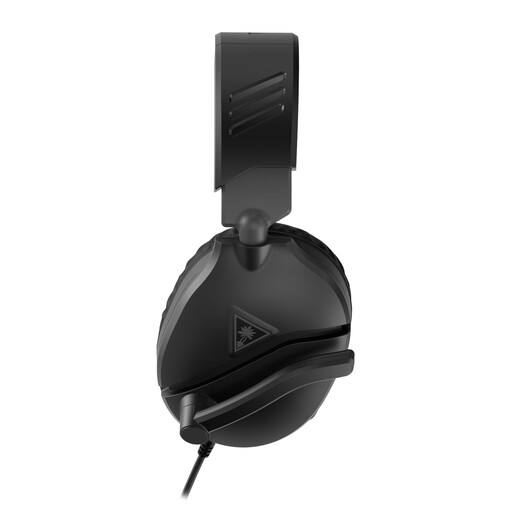
Why we recommend it : The perfect entry point for anyone looking for a simple, effective, and versatile solution without breaking the bank. It checks all the essential boxes for gaming on console (PS5, Xbox, Switch) and PC, with enough comfort for reasonable gaming sessions.
It eliminates compatibility headaches. Its universal 3.5 mm jack ensures it works instantly on nearly all platforms, with no software or complicated setup required.
Its flip-to-mute mic is a real convenience in-game. Its light weight and 40 mm speakers make it a very consistent and balanced choice in this price segment.
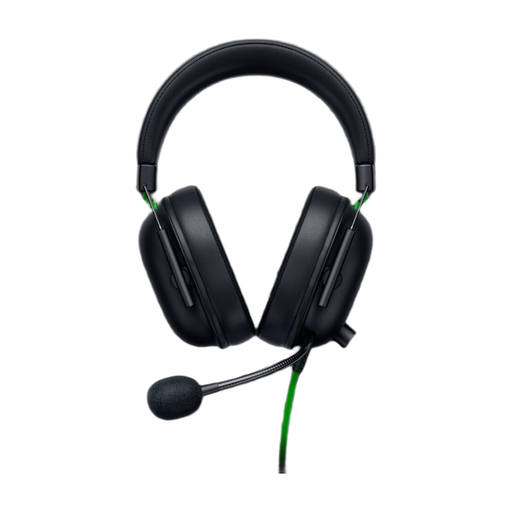
Why we recommend it : Built for gamers who swear by audio performance and communication clarity. Its specialisation in spatial audio and its excellent passive isolation make it a formidable weapon for competitive games, where every footstep is crucial information.
It doesn't fall for the "7.1" gimmick. It offers highly precise software-based surround sound on PC, but more importantly, it relies on excellent Razer TriForce 50mm drivers. Their unique design, which separates frequencies (highs, mids, lows), delivers remarkably clear and rich audio.
Its HyperClear cardioid mic, which isolates your voice perfectly. Add to that its feather-light weight (240g) and highly effective passive isolation, and you have the perfect combo for staying focused and comfortable for hours on end.
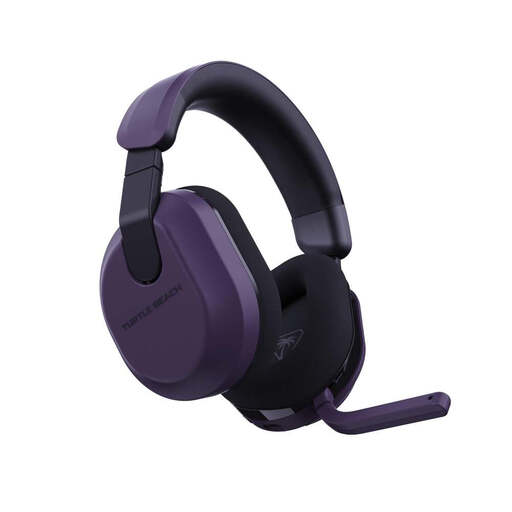
Why we recommend it : For the gamer who wants to cut the cord once and for all and enjoy back-to-back gaming sessions without restriction. This model goes all-in on record-breaking battery life, great comfort, and exemplary wireless versatility.
It shatters the main weakness of wireless : battery life. With its 80-hour battery, battery anxiety during a match is a thing of the past. It also avoids the closed-ecosystem trap thanks to its dual wireless and Bluetooth connectivity.
The QuickSwitch technology allows you to switch on the fly between the console's 2.4 GHz connection and your smartphone's Bluetooth. Its Gen 3 mic, boosted by AI for voice isolation, ensures crystal-clear communication.
Discover our full selection of headsets that meet our rigorous selection criteria and current safety standards.
For the vast majority of gamers, the answer is no. Modern headsets that use a 2.4?GHz wireless connection (via a USB dongle) have such low latency that it's undetectable in-game. Standard Bluetooth, however, can introduce a slight delay, which is why 2.4?GHz technology remains the gold standard for gaming.
The easiest way is to look for a headset with dual connectivity. Many wireless models offer a USB dongle for the console and a simultaneous Bluetooth connection for a PC or smartphone. For wired options, a model with a 3.5?mm jack and a Y-splitter adapter for PC (which separates the mic and headphone plugs) is a very versatile solution.
No, it's not essential, but it is a great convenience. Good passive isolation, thanks to well-designed over-ear earcups, is more than enough to block out everyday noise. ANC becomes truly relevant if you play in a very noisy environment (near a busy street, in an open-plan office...) and are seeking absolute immersion. It's a premium feature that is reflected in the price.