
Livraison le jour même ou le lendemain

Qualité garantie

Débloquez vos offres de bienvenue: Livraison GRATUITE | Jusqu'à -80 % | 30 jours d'essai gratuits à JoyPlus
Téléchargez l'application
Diving into the world of gaming headsets often feels like navigating an obstacle course. Between promises of revolutionary 3D sound, futuristic designs, and opaque technical jargon, it's easy to get lost. Our mission? To help you cut through the noise. Forget the jargon; together, we'll break down the criteria that truly matter so you can make an informed decision and avoid instant buyer's remorse.
The goal isn't to find the "perfect" headset, but the one that precisely matches your use case, your platform, and your budget. Before you start, watch out for these three common traps:
To avoid these disappointments, let's focus on the features that have a direct impact on your gaming experience.
This first choice is crucial and depends entirely on your priorities.
Wired Gaming Headset: This is the choice for pure reliability and performance.
Wireless Gaming Headset: This offers unparalleled freedom of movement. No more tangled cables or getting stuck in your chair. However, there are two points to watch out for:
A good headset with a mic is non-negotiable for team play. Your voice must be perfectly intelligible, without the background noise from your mechanical keyboard or your environment.
Rather than drowning you in dozens of models, we've matched player profiles with products that meet specific needs, taking into account the traps and criteria we've discussed.
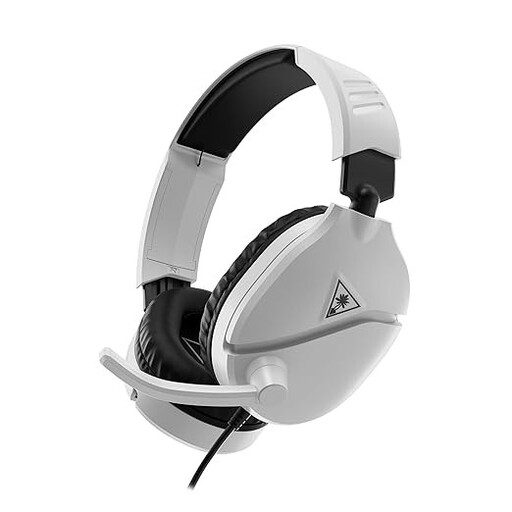
Why it's the right choice for you: Ideal for gamers who juggle multiple platforms (PS5, Xbox, Switch, PC) and want a simple, effective solution. Its 3.5mm jack connection ensures maximum, hassle-free compatibility. A pragmatic choice for a reliable audio and chat experience without breaking the bank.
It sidesteps the false compatibility trap with its 3.5mm jack, a universal standard that works everywhere. No gimmicky 7.1 sound promises; it focuses on clear and effective stereo, which is more than enough for most games.
Unbeatable multi-platform compatibility and disarming simplicity. The flip-to-mute mic is a real plus, often reserved for more expensive models.
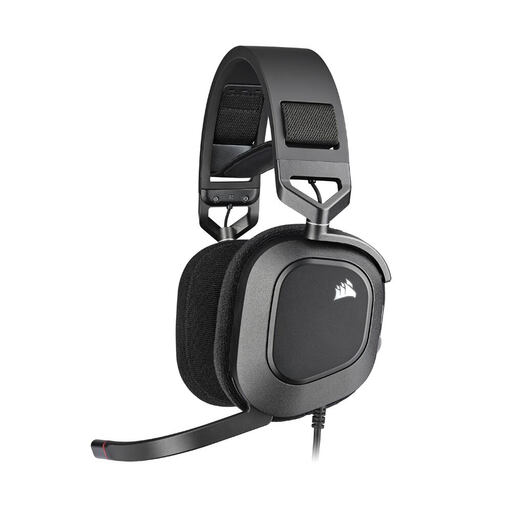
Why it's the right choice for you: Built for the PC gamer who makes no compromises on audio quality and mic clarity. The USB connection ensures a high-fidelity audio signal and rock-solid stability. Its broadcast-quality mic and the legendary comfort of Corsair make it a powerful ally for long gaming or streaming sessions.
It bypasses the "comfort on paper" trap with a proven design, breathable fabric earcups, and excellent weight distribution. The surround sound, managed via iCUE software, offers a precise and far superior rendering than low-end solutions.
Hi-Fi audio quality (20Hz – 40,000Hz) and a top-tier omni-directional noise-cancelling mic. Its robust construction is also a guarantee of longevity.
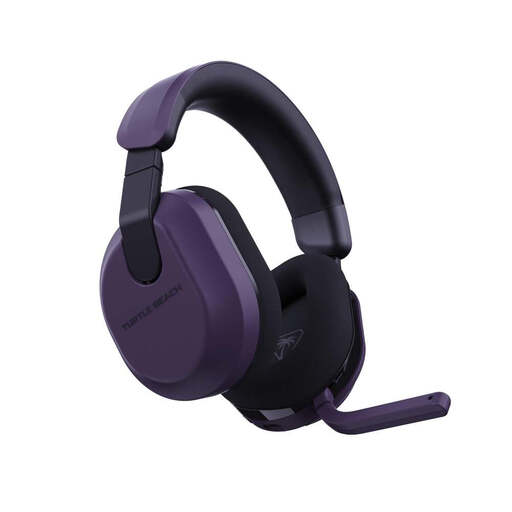
Why it's the right choice for you: For the gamer who demands wireless freedom without sacrificing compatibility. This Turtle Beach headset lets you switch on the fly between your console (low-latency 2.4GHz connection) and your smartphone (Bluetooth). Its record-breaking 80-hour battery life puts an end to the battery anxiety that is the Achilles' heel of many wireless models.
It solves the wireless compatibility puzzle with its QuickSwitch technology. No more juggling dongles! It offers a true wireless multi-platform solution that delivers on its promises, without compromising on in-game latency.
Dual wireless connectivity (2.4GHz + Bluetooth 5.2) with instant switching and monster battery life. The improved mic, featuring AI-based noise isolation, is a major asset.
Our complete selection includes products tested and approved by our experts, meeting strict quality and performance criteria.
There's no single answer; it all depends on your priorities. The wired gaming headset will always offer the most stable connection, with no latency or battery constraints, making it the preferred choice for competitive play. The wireless gaming headset, on the other hand, offers unparalleled freedom of movement, which is highly appreciated in daily use. Good 2.4 GHz models have latency that is nearly imperceptible to the average user. The choice comes down to a trade-off between pure performance and ease of use.
For guaranteed compatibility, the product page is your best friend. For a PS5 headset, look for an explicit mention. For an Xbox headset, it's more specific: wireless models often require the official "Designed for Xbox" license. The safest and most universal solution remains a wired connection via the controller's 3.5mm jack, which is compatible with both consoles.
Absolutely not. High-quality stereo sound is often more accurate and natural for spatialisation than a low-end virtual 7.1. Technologies like Windows Sonic (free on PC/Xbox), Dolby Atmos, or DTS Headphone:X (paid) work wonders for spatialising sound on any stereo headset. Don't make 7.1 a deal-breaker, especially on a tight budget.