
Livraison le jour même ou le lendemain

Qualité garantie

Débloquez vos offres de bienvenue: Livraison GRATUITE | Jusqu'à -80 % | 30 jours d'essai gratuits à JoyPlus
Téléchargez l'application
Navigating the jungle of gaming headsets is a real challenge. Between promises of immersive sound, futuristic designs, and spec sheets riddled with jargon, it's easy to get lost. As the head of buying guides at Joybuy, my mission is to help you see clearly and identify the criteria that truly matter, so you can make the right choice without regret.
Before diving in headfirst, you need to learn how to avoid the most common marketing traps. Once you see through these claims, you'll save yourself a lot of disappointment and unnecessary expense.
To avoid falling into the trap, let's focus on the features that have a real impact on your gaming experience.
The centerpiece of a gaming headset is its sound reproduction. Two elements are under the microscope:
And what about the famous 7.1 surround sound headset?? Prioritize models with recognized technology (like DTS Headphone:X or Dolby Atmos for Headphones) or, better yet, bet on precise stereo sound that allows you to locate enemies without any gimmicks.
A good headset with a microphone is non-negotiable for team play. Here are the points to check:
The choice of connection depends on your setup and gaming habits.
Here are a few models tailored for different player profiles, selected based on objective performance and design criteria.
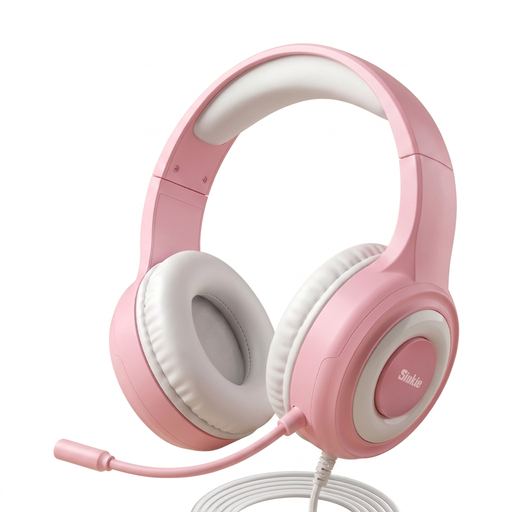
Who is it for? Ideal for beginners or gamers on a tight budget, this headset offers a versatile solution to get started on PC and consoles without breaking the bank.
It focuses on the essentials: clear stereo sound via 50 mm drivers and a decent microphone, without promising complex and often poorly emulated 7.1 surround sound at this price point.
Its dual USB and 3.5mm jack connectivity ensures near-universal compatibility (PC, PS4, PS5, Xbox, Switch), making it a smart, all-rounder choice.
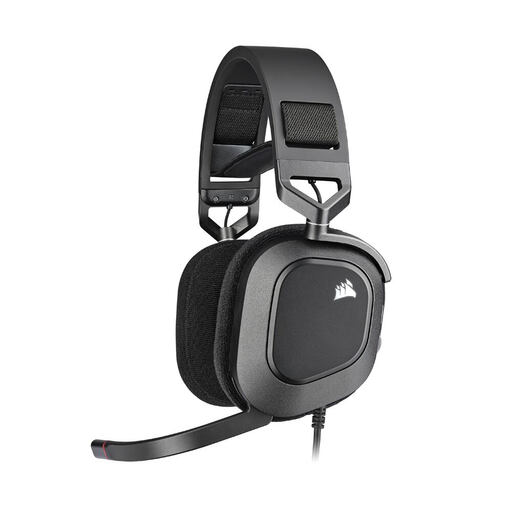
Who is it for? Designed for performance and long sessions, this headset meets the demands of gamers seeking audio precision and flawless comfort.
It sidesteps the comfort and microphone pitfalls. Its breathable fabric earcups prevent overheating, and its flip-up microphone delivers renowned vocal clarity, far from vague promises.
The high-fidelity audio quality (20 Hz - 40,000 Hz frequency response) and low-latency wired USB connection make it a precision tool for competitive PC gaming.
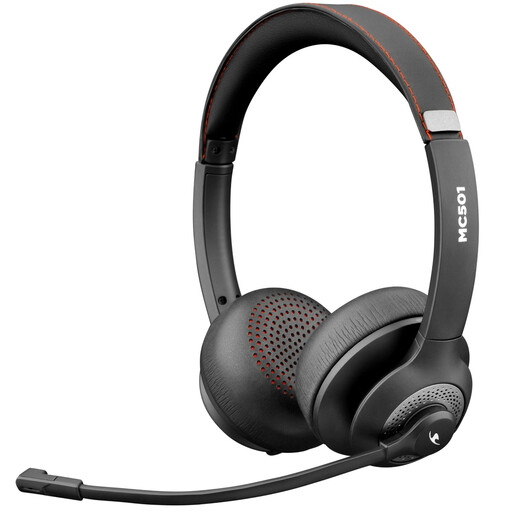
Who is it for? Perfect for those who split their time between PC gaming and video calls. Its dual wireless connectivity and understated design make it incredibly versatile.
It doesn't get lost in superfluous gaming features. The focus is on a reliable wireless connection and a clear microphone for calls—qualities as useful for remote work as for gaming.
The dual wireless connectivity (2.4GHz dongle for PC gaming, Bluetooth for other devices) offers maximum flexibility to switch between uses effortlessly.
We have compiled a complete selection of products that meet our quality charter and current safety standards.
No, it's not a requirement. An excellent stereo headset can offer very precise spatialization, sometimes even superior to a poor 7.1 emulation. Virtual surround sound can enhance immersion in some single-player games, but for competitive play, the clarity and precision of good stereo sound are often more reliable for pinpointing crucial audio cues (footsteps, reloads...).
A few simple steps can extend its lifespan. Regularly clean the earcups with a soft, dry cloth. Avoid wrapping the cable too tightly around the headset to prevent damaging the internal connections. For wireless models, try to keep the battery between 20% and 80% charge to preserve its long-term health. Finally, store it on a stand or in its case, away from dust.
For the highest level of competition, a wired gaming headset is generally recommended. The direct connection (USB or jack) eliminates any risk of latency or interference, ensuring perfect responsiveness. Modern wireless models with 2.4?GHz technology have very low latency, almost imperceptible to most players, but wired remains the guarantee of bulletproof reliability.