
Livraison le jour même ou le lendemain

Qualité garantie

Débloquez vos offres de bienvenue: Livraison GRATUITE | Jusqu'à -80 % | 30 jours d'essai gratuits à JoyPlus
Téléchargez l'application
Choosing a new gaming headset can quickly become a headache. Between marketing promises of "?immersive sound?" and futuristic designs, the risk of ending up with a disappointing product is very real: a headset that's uncomfortable after an hour of gaming, a mic that picks up more keyboard noise than your voice, or audio features that fall flat on your console.
As a product expert at Joybuy, I'm here to help you see things more clearly. Let's set aside the marketing jargon and focus on what's essential. Together, let's break down the two most common pitfalls and the criteria that truly matter for making the right choice.
Pitfall #1: The Myth of "Universal 7.1 Surround Sound" Many headsets proudly feature the 7.1 surround sound label. The problem? This technology is often software-based and primarily optimised for PC. On a PS5 or Xbox Series X, which have their own 3D audio technologies (Tempest 3D AudioTech, Dolby Atmos for Headphones), a generic 7.1 headset can be redundant, or even counter-productive. For console gamers, a good quality stereo headset is therefore often a much better investment.
Pitfall #2: Comfort Sacrificed for the Sake of Design A headset might look perfect in photos but turn into a veritable instrument of torture after two hours of play. Excessive weight, sweat-inducing leatherette earcups, or a headband that puts too much pressure on your skull are all deal-breakers. Long-term comfort is a non-negotiable criterion.
To ensure you don't make a mistake, here are the three fundamental points that will make all the difference in your daily use.
The very first question to ask yourself is about compatibility with your primary gaming platform: PC, PS5, Xbox, or Nintendo Switch.
Comfort rests on three key elements:
For online gaming, a good headset with a mic is not an option. The clarity of your voice is paramount for your teammates. Unidirectional or cardioid microphones are designed to capture your voice while isolating ambient noise (like your keyboard clicks). The flip-to-mute feature (raising the boom to mute the mic) is a real ergonomic plus.
Rather than a simple list of features, we've matched each model to a specific use case to help you find the perfect fit.
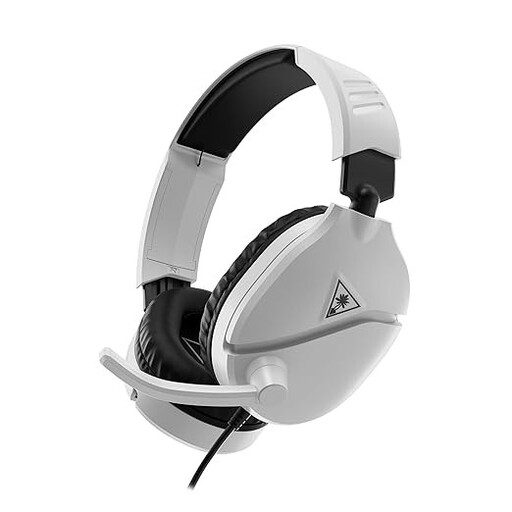
Why we love it: It's the solid choice for beginners or for equipping multiple platforms without breaking the bank. It gets straight to the point: clean stereo sound, sufficient comfort for reasonable gaming sessions, and universal compatibility thanks to its 3.5mm jack.
No empty promises or superfluous software features. This is a simple and effective stereo headset, perfect for taking advantage of the native 3D audio technologies of consoles like the PS5.
Absolute versatility: it works just as well on PS5, PS4, Xbox, and Switch as it does on PC and mobile. The flip-to-mute mic is a real bonus at this price point.
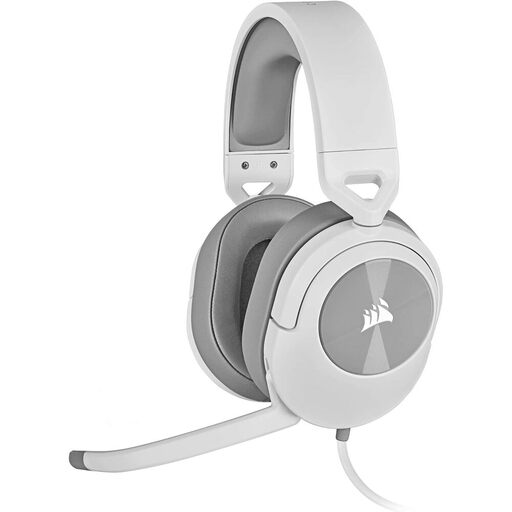
Why we love it: Designed for PC gamers seeking customisable sound and impeccable comfort, even after hours of play. This model, often available as a white gaming headset, combines a lightweight design with audio performance, all driven by comprehensive software to fine-tune the experience.
It avoids the pitfall of discomfort thanks to its feather-light weight and memory foam earpads. Here, 7.1 surround sound is a genuine software option (via Corsair iCUE) designed for PC, not a vague marketing promise.
PC comfort and customisation: its feather-light weight and quality materials make it the ideal companion for gaming marathons. Its Discord-certified mic ensures crystal-clear communications.
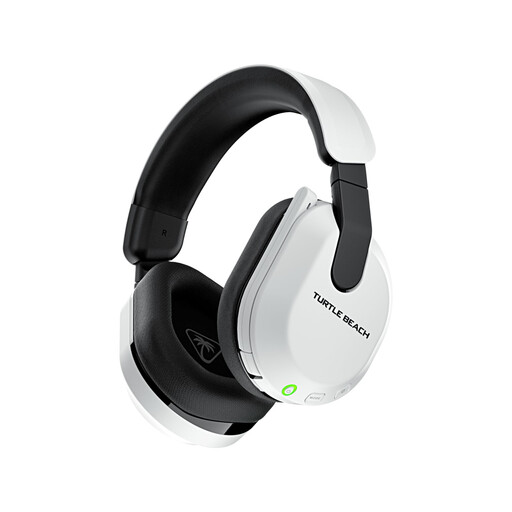
Why we love it: For the gamer who switches between Xbox, PlayStation, PC, and Switch, and for whom freedom of movement is non-negotiable. This wireless headset shines with its multi-platform connectivity and record-breaking battery life.
It puts an end to the wireless compatibility headache. Thanks to its dual connectivity (2.4 GHz and Bluetooth 5.2) and QuickSwitch technology, switching between platforms is child's play.
Battery life and versatility: with a stated 80 hours of battery life, low-battery anxiety is a thing of the past. Its improved mic, featuring AI-powered ambient noise isolation, ensures crystal-clear exchanges.
The white gaming headset is particularly popular for creating a setup with a clean aesthetic. To take it a step further and achieve studio-quality vocals, adding a dedicated microphone is an excellent option to perfect your installation.
Discover our complete selection of microphones, rigorously chosen for their performance and design.
For pure, hardcore competition, a wired gaming headset remains the choice for absolute reliability. It guarantees zero latency and eliminates any risk of a dead battery mid-game. That said, modern 2.4?GHz wireless technologies offer latency so low it's imperceptible to the vast majority of players. The choice therefore depends on your priority: absolute peace of mind (wired) or the comfort of freedom of movement (wireless).
Excellent question. Modern consoles like the PS5 (with its Tempest 3D Audio technology) and the Xbox (compatible with Windows Sonic and Dolby Atmos) already handle spatial audio very effectively on their own. A headset that imposes its own 7.1 surround sound processing can conflict with these systems, or simply offer no real added value. On console, it's therefore often smarter to opt for an excellent stereo headset and let the machine handle the 3D spatialisation work.
A few simple steps can significantly extend your headset's lifespan. Regularly clean the earpads and headband with a soft, dry cloth. For wired models, avoid wrapping the cable too tightly around the headset; over time, this can damage the internal wires. Ideally, use a headset stand to protect it from falls and prevent the headband from warping. Finally, handle it with care, especially around the hinges and the jack.