
Livraison le jour même ou le lendemain

Qualité garantie

Débloquez vos offres de bienvenue: Livraison GRATUITE | Jusqu'à -80 % | 30 jours d'essai gratuits à JoyPlus
Téléchargez l'application
Choosing a new gaming headset can quickly become a headache. Between the siren song of marketing promising ultra-immersive sound and indecipherable spec sheets, it's easy to get lost. The goal isn't to find the perfect headset on paper, but the one that will fit your habits, your setup, and your budget—without any nasty surprises after a few weeks of use.
This guide is here to break down the key points and help you avoid the most common pitfalls, so you can make an informed choice.
Before you even start comparing models, it's best to know the classic mistakes that lead directly to buyer's remorse.
To avoid these disappointments, focus on the few characteristics that truly make a difference in the quality and suitability of a gaming audio headset.
The choice between a wired gaming headset and a wireless gaming headset depends on your priorities.
If you play on multiple systems (PC, PS5, Xbox, Switch), a multi-platform headset is a must. For maximum compatibility, the simplest solution remains the good old 3.5mm jack. This single plug connects to PlayStation and Xbox controllers, the Nintendo Switch console, and most PCs and mobile devices. For PCs with separate ports, a splitter cable is often included or sold separately.
A good gaming headset with a mic is essential for being heard clearly by your team. Here's what to look for:
Rather than an endless list, we've selected a few gems that meet specific needs, applying the criteria we've just covered.
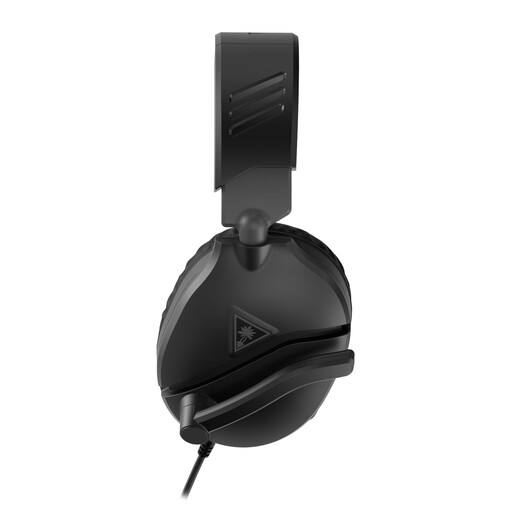
Why we love it: This headset is a solid choice for anyone looking for a simple, effective, and all-rounder solution (PC, PS5, Xbox, Switch) without breaking the bank. An excellent entry point into the world of gaming.
It bypasses the compatibility headache with its universal 3.5mm jack. No dubious marketing claims about 7.1: it delivers clean and effective stereo sound, perfectly compatible with the 3D audio technologies of consoles.
Its "plug-and-play" simplicity and its flip-to-mute mic make it a reliable and hassle-free ally for daily gaming sessions.
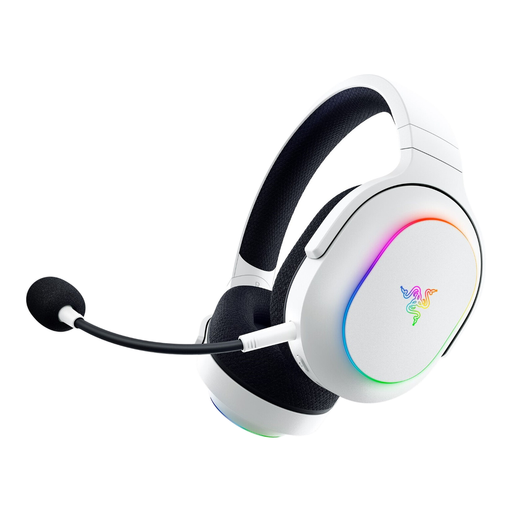
Why we love it: Ideal for those who juggle between PC/console and a smartphone, this headset offers the best of both wireless worlds: a 2.4 GHz dongle for lag-free gaming, and Bluetooth for everything else. A successful blend of comfort, battery life, and versatility.
It tackles the problem of in-game latency with its proprietary Razer HyperSpeed 2.4 GHz connection, while retaining the convenience of Bluetooth for on-the-go use. As a bonus, the 3.5mm jack is there in case the battery dies.
Its SmartSwitch Dual Wireless technology lets you switch from game audio to a call on your smartphone in an instant. A real everyday convenience.
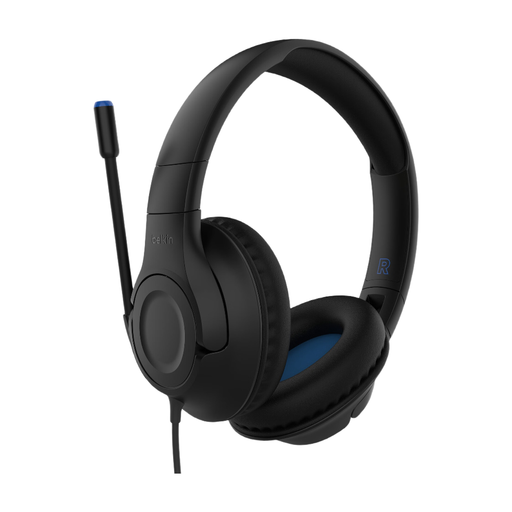
Why we love it: Specially designed for younger users, this headset makes hearing safety its top priority. It's durable, comfortable for smaller heads, and compatible with playground favorites like the Nintendo Switch.
It tackles an often-underestimated danger head-on: risks to hearing. Its built-in 85 dB volume limiter prevents kids from turning the volume up to a dangerous level. Peace of mind for parents.
Hearing protection is its superpower. The detachable mic and the "Rockstar" audio sharing feature (to plug in a second headset) are clever bonuses perfectly suited for kids.
Discover our full selection of products that meet our rigorous selection criteria and current safety standards.
Is a wired gaming headset better than a wireless one? There's no one-size-fits-all answer. Wired guarantees rock-solid reliability and zero battery worries, all for a tighter budget. Wireless (using 2.4 GHz) offers complete freedom of movement with imperceptible latency, but it's more expensive and requires you to keep an eye on the battery. It all depends on your aversion to cables and your budget.
How do I know if a headset is compatible with my PS5 and my PC? The key is to check the connectivity. A headset with a 3.5mm jack is the ultimate all-rounder. For a USB model, the product page must explicitly state compatibility (e.g., "Compatible with PC/PS4/PS5"). Be aware that Xbox compatibility via USB is rarer.
What is the average lifespan of a gaming headset? It all depends on the build quality and the care you take of it. An entry-level model will show its first signs of wear after 1 or 2 years (crackling cable, flaking earcups). Conversely, a mid-range or high-end headset, with a metal headband and quality materials, can last you 3 to 5 years, or even longer if wear-and-tear parts (like the earcups) are replaceable.