
Livraison le jour même ou le lendemain

Qualité garantie

Débloquez vos offres de bienvenue: Livraison GRATUITE | Jusqu'à -80 % | 30 jours d'essai gratuits à JoyPlus
Téléchargez l'application
Today, curating the visual atmosphere of your gaming space has become just as crucial as choosing your mouse or keyboard. Good gaming decor doesn't just beautify a room or office: it transforms it into a truly immersive arena. The problem is, the market is flooded with all kinds of products, and it's easy to fall into the classic traps that lead to buyer's remorse. Before pulling out your credit card, let's review the pitfalls to avoid so you can invest intelligently in your next gaming setup accessory.
To avoid making a mistake, focus on a few technical criteria that make all the difference. They will allow you to judge the real quality of a product, far beyond its appearance.
The type of power supply is the primary guarantee of your setup's flexibility.
The quality of the materials directly affects the lifespan and safety of your setup. For a gaming light, opt for materials like ABS and silicone. They are more resistant to heat and diffuse light more evenly than cheap plastics. For a chair, a metal frame and high-density foam are true indicators of longevity.
The whole point of modern lighting is customisation.
Rather than just a list, we've selected products that suit different player profiles, based on the quality and practicality criteria we've just discussed.
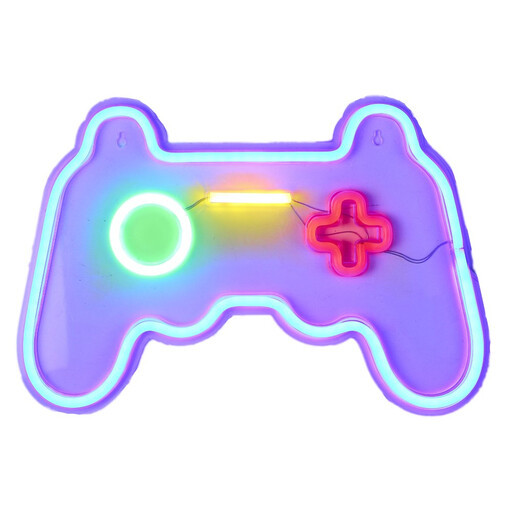
Why we chose it : Perfect for adding an instant gaming touch, hassle-free. Its joystick shape is a clear nod to video game culture, and its USB power supply makes it incredibly easy to integrate into any setup.
It's a simple, single-piece decorative object, avoiding the trap of complex and fragile kits. No unpleasant surprises : what you see is what you get. A ready-to-use decorative neon light.
Instant plug-and-play installation thanks to its long 2 m USB cable and dual mounting options : place it on a surface or hang it on the wall.
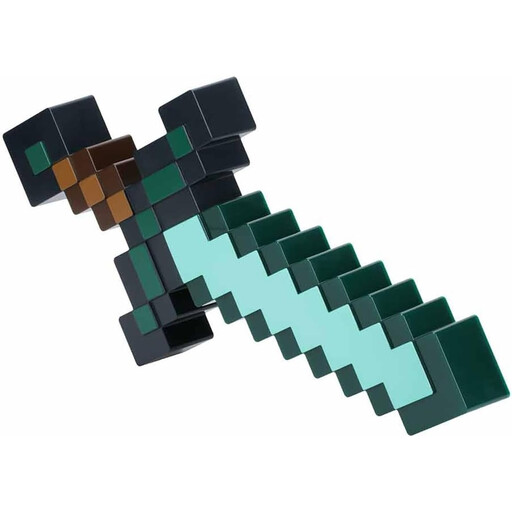
Why we chose it : For those who want decor that lets them fly their fan flag high. More than just a lamp, this officially licensed object is a true collector's item that will speak to all Minecraft fans.
The "official product" label requires much stricter specifications than those of pale imitations. The risk of ending up with a product that looks cheap and has questionable finishes is therefore greatly reduced.
It offers 3 lighting modes, including one that reacts to music, and dual power options (USB-C or batteries) for maximum flexibility.
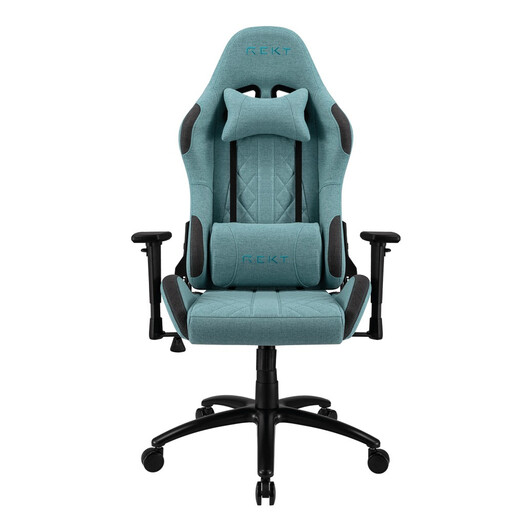
Why we chose it : Gaming decor isn't just about lights. For anyone who spends hours in front of their screen, comfort and durability are non-negotiable. This chair is a real investment in your back and your performance, all while adding a bold splash of colour to your setup.
It sidesteps the "sacrificed durability" pitfall by focusing on robust materials : an all-metal frame and base, plus high-density foam (55 kg/m?), all built to withstand intensive use.
Its ergonomics are fully customisable (3D armrests, recline, adjustable cushions) : a non-negotiable feature for getting through long gaming or work-from-home sessions.
We've put together a complete selection of products that meet our selection criteria and European safety standards.
The lifespan of an LED gaming light depends heavily on its manufacturing quality. A well-designed product, with materials like ABS to properly dissipate heat, can last between 20,000 and 30,000 hours. Conversely, entry-level models can lose a good portion of their brightness after only a few thousand hours.
No, LED technology is known for being very energy-efficient. A 5-metre LED strip generally consumes between 15 and 30 watts at full power, which is far less than an old incandescent bulb. The impact on your electricity bill will therefore be minimal, even with daily use.
This is the great challenge of the PC RGB lighting ecosystem: syncing across brands. Unfortunately, there is no universal standard. The simplest solution is to stick to products from the same brand or ecosystem (for example, Philips Hue, Govee, or products compatible with assistants like Google Home or Alexa). For the more tech-savvy, third-party software like SignalRGB or OpenRGB attempts to unify control of all devices, but compatibility is never 100% guaranteed and often requires a bit of tinkering.