
Livraison le jour même ou le lendemain

Qualité garantie

Débloquez vos offres de bienvenue: Livraison GRATUITE | Jusqu'à -80 % | 30 jours d'essai gratuits à JoyPlus
Téléchargez l'application
Whether you're a hardcore gamer, a dedicated remote worker, or a marathon-studying student, spending hours glued to a chair can quickly become an ordeal. A good gaming chair isn't a gimmick; it's a real investment in your comfort and posture. The problem is, the market is flooded with models whose marketing promises are as enticing as they are misleading. As product experts, our mission is to help you see things more clearly. Let's break down the pitfalls to avoid and the criteria that truly matter to make the right choice.
Before we even talk about features, let's review the hidden flaws that too often turn a promising purchase into a real disappointment.
To avoid these traps, you need to focus on objective technical criteria. These are the true markers of an ergonomic seat's quality.
The choice of upholstery is a matter of taste, but also, and more importantly, of durability and daily comfort.
A true ergonomic office chair must adapt to your body, not the other way around. Here are the adjustments to check for:
The sturdiness and lifespan of your chair depend on its structure. The 5-star base should be made of metal or, failing that, reinforced nylon. The gas lift (or cylinder), which controls the height, is a crucial safety component. Look for certifications like BIFMA or SGS, which guarantee the product has undergone rigorous strength and durability testing.
Rather than an impersonal list, here are models we've matched with real-world profiles and needs.
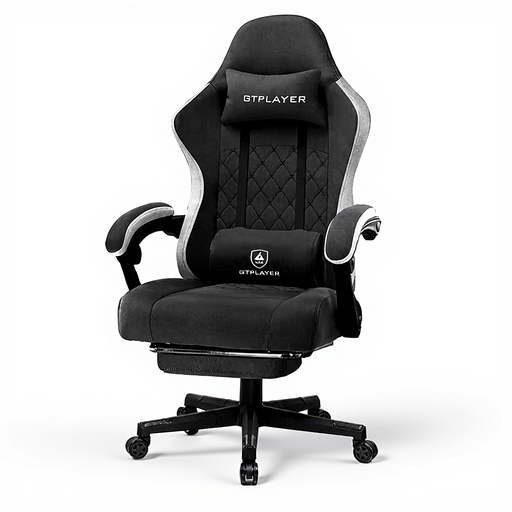
Why this choice: Ideal for anyone looking for the best feature-to-price ratio. It provides the necessary comfort for long gaming or work sessions without breaking the bank.
Its fabric upholstery protects it from the cracking issues of entry-level faux leather and ensures much better breathability.
It includes a retractable footrest and a spring-cushioned seat, features usually found on much more expensive models.
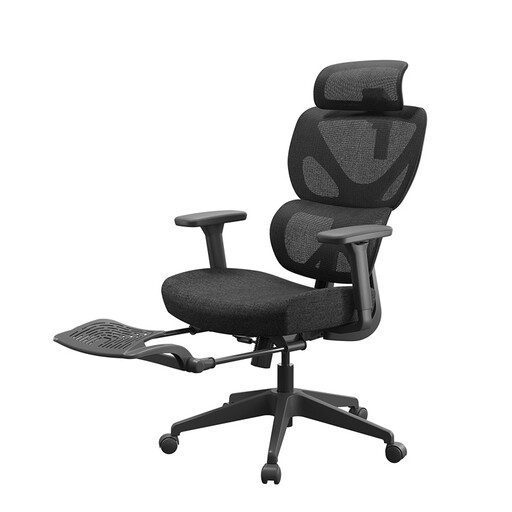
Why this choice: When you spend more than 8 hours a day at your desk, ergonomics is no longer an option—it's a necessity. This chair is built for postural support and intensive use.
No more superficial ergonomics: it integrates a true dynamic lumbar support that adapts to your movements. A much more effective solution than the eternal cushion.
Its adjustments are comprehensive: rotating armrests, an adjustable headrest, and above all, a 10 cm thick seat designed for lasting comfort without sagging.
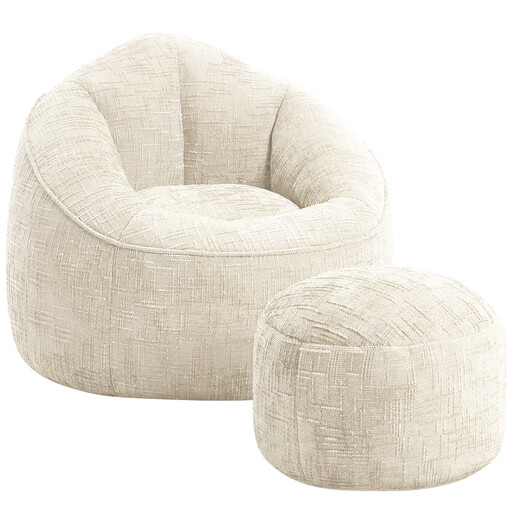
Why this choice: The casual alternative to the traditional chair. This gaming bean bag is perfect for chilling in the living room, playing on a console, or creating a cozy reading nook.
It avoids the sagging trap thanks to a filling of shredded memory foam. The result: it conforms to the body's shape and maintains its volume over the long term.
Its chenille fabric cover is soft, durable, and easy to maintain. Ultra-lightweight, it can be moved effortlessly from one room to another.
While many chairs include a footrest, a dedicated accessory can make a real difference, whether to optimize ergonomics or to complement a seat that lacks one.
We have compiled a complete and up-to-date list of products that meet our selection criteria and current safety standards.
What is the average lifespan of a gaming chair? It all depends on the quality of the materials. An entry-level model (plastic frame, thin faux leather) will show signs of wear after 1 to 2 years. Conversely, a well-built chair (metal frame, high-density foam, quality upholstery) can last for more than 5 years, provided you take care of it.
Is a gaming chair really better than an ergonomic office chair? Today, the line between the two is increasingly blurry. Historically, gaming chairs focused on looks, while office chairs focused on pure ergonomics. Now, many gaming chairs incorporate advanced ergonomic adjustments (adjustable lumbar support, 4D armrests...), making them just as suitable for professional use. Ultimately, the choice will depend on your aesthetic preferences and the specific features you're looking for.
How do you maintain a fabric chair compared to a faux leather one? Faux leather is the easiest to maintain: a damp cloth will take care of most spills. For fabric, regular vacuuming with a soft brush attachment is recommended to remove dust. In case of a stain, act quickly with a suitable textile cleaner: gently dab the area, never rubbing, to avoid damaging the fibers.