
Livraison le jour même ou le lendemain

Qualité garantie

Débloquez vos offres de bienvenue: Livraison GRATUITE | Jusqu'à -80 % | 30 jours d'essai gratuits à JoyPlus
Téléchargez l'application
Whether you spend hours gaming or working, a good chair isn't a luxury; it's a necessity. The problem? The gaming chair market is a minefield, flooded with marketing promises that too often lead to buyer's remorse. As the head of product recommendations at Joybuy, my mission is to help you cut through the noise and identify the criteria that truly make a difference. This guide gets straight to the point: giving you the keys to a smart choice that goes far beyond mere looks.
Before you even start comparing models, let's first address the most common traps that can turn your purchase into a real disappointment.
To avoid these disappointments, here are the three technical points on which you must be uncompromising.
The upholstery is much more than a matter of looks. It determines the lifespan of your chair and your daily comfort.
A good ergonomic office chair should adapt to you, not the other way around. Check for the following adjustments:
The longevity of your chair depends on its skeleton.
Let's get practical with a few models that check the right boxes, each tailored to a specific user profile.
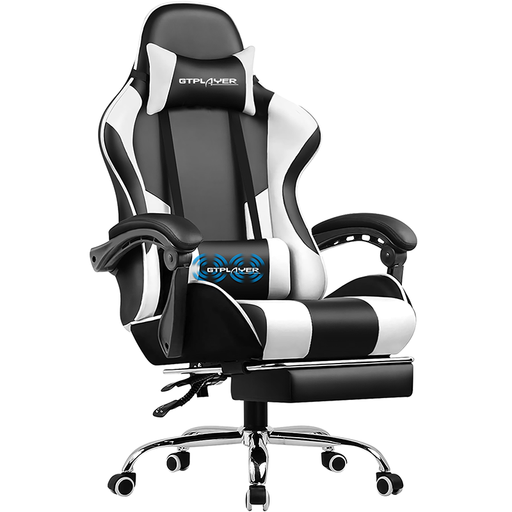
Why this profile? Perfect for marathon gaming or streaming sessions, this model goes all-in on comfort and relaxation features.
It sidesteps the fragility trap with a sturdy metal frame and a metal base. Its 150 kg weight capacity is an excellent indicator of its solid construction.
The combination of a gaming chair with a retractable footrest and a massaging (vibrating) lumbar cushion is perfect for decompressing between matches without leaving your setup.
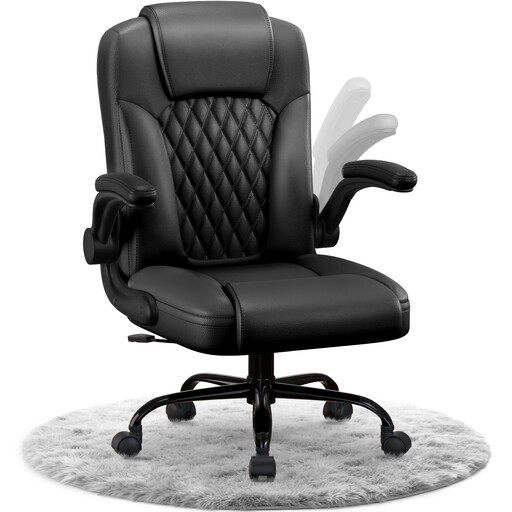
Why this profile? For those who juggle remote work and gaming, this chair combines a more understated design with essential ergonomic features for daily use.
It avoids the "superficial ergonomics" trap by offering genuinely useful adjustments: height, a 90° to 120° recline, and a certified gas lift that inspires confidence.
Its 90° flip-up armrests. This is a game-changing detail that lets you slide the chair under your desk to save space. Smart and incredibly practical for daily use.
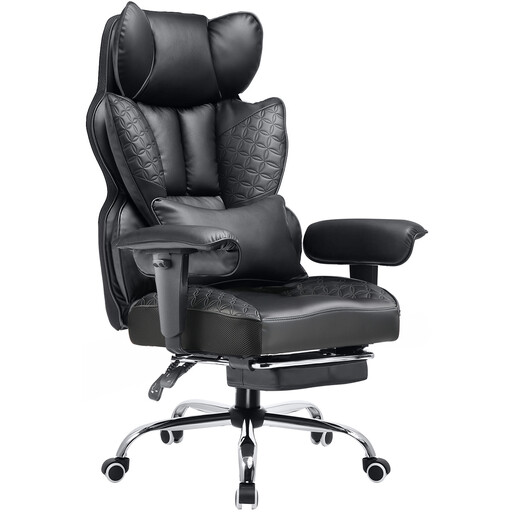
Why this profile? Specifically designed for big or tall individuals, this chair is built to offer robustness and longevity far above the standard.
It directly addresses the weak point of standard models: fragility. Its "Heavy Duty" structure and reinforced metal frame guarantee rock-solid stability.
Its "Big and Tall" design translates to a wider seat and a higher backrest. Paired with the footrest, it offers comfort that is finally tailored to non-standard body types.
Browse our complete selection of chairs that meet our most demanding quality and safety standards.
It all depends on the quality of its components and how you use it. An entry-level model will show signs of wear (peeling upholstery, sagging foam) after just 1 or 2 years. A good mid-range chair, with a steel frame and dense foam, will easily last 3 to 5 years. Premium models, if well-maintained, can last more than 5 years.
Not necessarily. The word "gaming" is primarily a marketing term. What really matters is ergonomics. An excellent ergonomic office chair will offer equivalent or even superior support, often with a more understated design. The gaming chair stands out with its bold look, its more enveloping backrest (which supports the head and shoulders), and specific options like a footrest or massage function. Your choice will therefore depend on your priorities: style, bonus features, and your environment (professional office or personal setup).
It's very simple. A wipe with a soft, damp cloth is sufficient for regular cleaning (dust, sweat). For stains, a little soapy water (with a neutral soap) will do the trick. Above all, avoid harsh cleaning products, solvents, and alcohol-based wipes: they dry out the PU and cause it to crack. Also, try to keep it out of direct sunlight.