
Livraison le jour même ou le lendemain

Qualité garantie

Débloquez vos offres de bienvenue: Livraison GRATUITE | Jusqu'à -80 % | 30 jours d'essai gratuits à JoyPlus
Téléchargez l'application
Hardcore gamer, remote work professional, or content creator? If you spend hours glued to your desk, the right gear is no longer optional. A good gaming chair isn't a luxury; it's a genuine investment in your comfort, health, and focus. The problem: the market is flooded with models featuring aggressive designs that often hide subpar ergonomics and deal-breaking flaws.
Our guide is here to help you see things clearly. Let's cut through the marketing jargon and get straight to the point: the criteria that truly make a difference. We'll break down the pitfalls to avoid and the key points to check before you buy.
Don't be fooled by flashy aesthetics or promises of absolute comfort. Here are the three most common mistakes that end up costing you.
Inspired by race cars, bucket seats have taken over the market. While their look is undeniable, their ergonomics are rarely designed for office use. Built to hold a driver in place during sharp turns, the raised edges of the seat end up restricting your movement and compressing your thighs after a few hours. This is a real problem if your body type doesn't perfectly match the seat's dimensions.
A chair that feels incredibly soft in the store? Be wary. This is often a sign of low-density foam padding. This type of foam sags incredibly quickly, losing all its support in just a few months. You'll soon find yourself sitting on the metal frame, with a level of comfort comparable to a wooden stool.
Polyurethane (PU) upholstery, or faux leather, is ubiquitous thanks to its low cost and appealing look. The problem? Entry-level versions don't stand the test of time. It cracks, peels, and worse, turns your back into a heater. The result: gaming or work sessions that turn into an ordeal, especially in the summer. A good fabric gaming chair is often a much more durable and breathable alternative.
To make an informed choice, you need to rely on objective data. Here are the three technical specifications that are the hallmarks of a quality, durable seat.
This is THE number one criterion for support that lasts. It's measured in kilograms per cubic meter (kg/m?).
The choice of upholstery has a direct impact on your daily comfort and maintenance.
A good gaming chair should adapt to your body, not the other way around. Make sure it includes the following essential adjustments:
To put theory into practice, here is our selection of models that check all the boxes, for different user profiles.
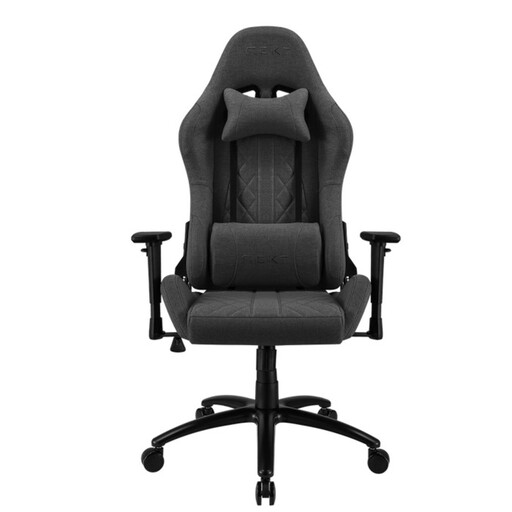
Who is it for? Ideal if you're looking for a single chair for both gaming and remote work. Its understated design and full range of adjustments make it an excellent ergonomic office chair, far from the sometimes gaudy look of gaming gear.
Its Elastron fabric upholstery is breathable, which prevents overheating and the premature wear seen in low-end PU leathers. Its 55 kg/m? foam ensures good durability and prevents sagging.
Its great versatility, combined with a full set of adjustments (3D armrests, tilt, cushions) and a robust steel frame.
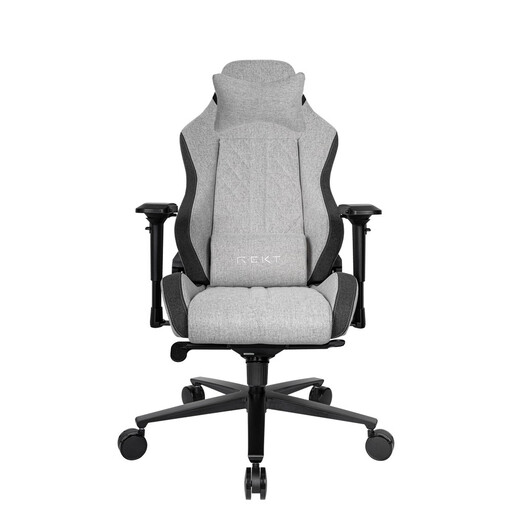
Who is it for? Designed for marathon gamers or office workers who demand unwavering durability and support. The logical choice for those who spend more than 8 hours a day seated and make no compromises on quality.
Its very high-density (65 kg/m?) cold-cured foam guarantees support that won't budge an inch, even after years of use. Its ACD-12 aluminum base and oversized 75mm wheels are guarantees of rock-solid durability.
A premium build designed to last. The combination of high-density foam and an aluminum base makes it a long-term investment for comfort that doesn't fade.
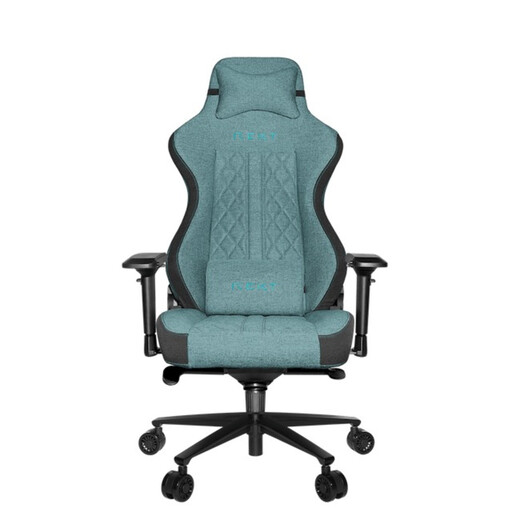
Who is it for? This plus-size gaming chair is aimed at taller and larger body types who feel cramped in standard models. Its widened seat and backrest offer compression-free comfort.
It sidesteps the "racing-style" pitfall by offering a flatter, wider seat that is much more comfortable. It also features high-density 65 kg/m? foam and a reinforced structure to support a higher weight without flinching.
Generous dimensions that finally provide the necessary space and support for larger body types, without ever sacrificing material quality.
Discover our full selection of chairs that meet our quality criteria and European safety standards.
It all depends on the quality of its components and how you use it. An entry-level model with low-density foam can start to sag in less than a year. Conversely, a premium chair with a steel frame, aluminum base, and high-density foam (> 55 kg/m?) will easily last you more than 5 years while retaining all its support.
Not necessarily! While a classic fabric can be prone to stains and dust, things have changed significantly. Today, many models use performance fabrics with a water-repellent treatment. For example, Elastron fabric can be cleaned with a simple damp cloth. This makes it as practical as PU leather, with the added benefit of breathability!
Absolutely. It's one of the most significant ergonomic advancements. Fixed or even 1D armrests (adjustable only in height) are often insufficient. 3D (height, depth, rotation) or 4D (which add side-to-side adjustment) armrests allow you to perfectly align your forearms with your work surface. The result: less strain on your wrists, shoulders, and neck. This is a crucial detail for preventing musculoskeletal disorders (MSDs) during prolonged use.